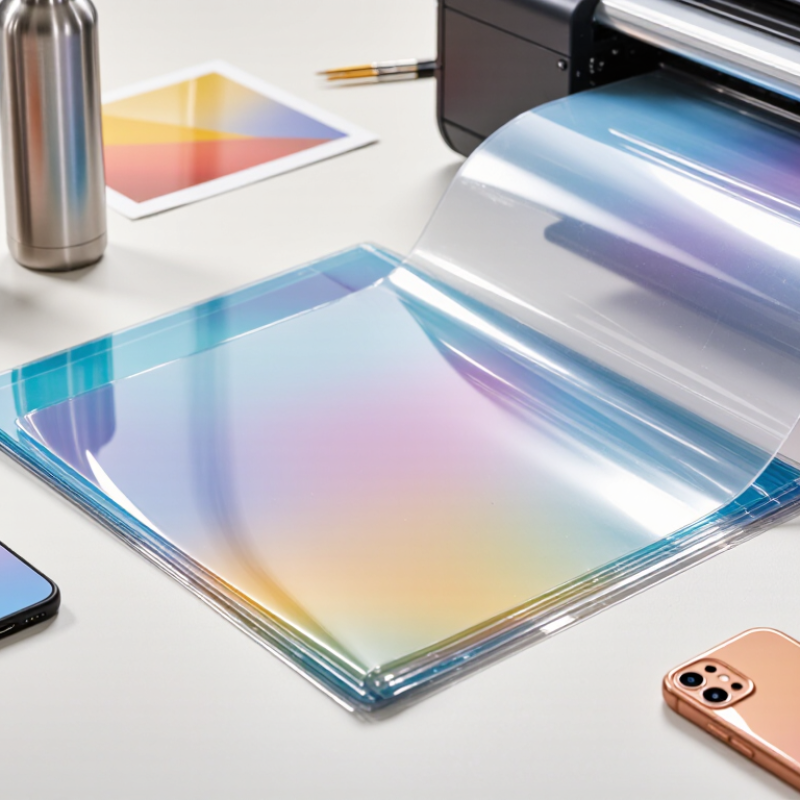
For 2026 purchasing, global buyers should compare A3 and A4 TPU UV DTF film sheets by actual performance, not only price. Confirm sheet dimensions, cutting accuracy, and edge quality. A practical tolerance is often stated in millimeters, but suppliers may calculate it differently. Request a measured sample report. Do not assume the listed size is the usable area.
Roll width matters when sheets are converted, packed, or used with existing equipment. Check whether the width includes edge waste. For regular orders, compare the supplier’s minimum order quantity with your storage capacity and testing budget. A low MOQ can reduce risk, while a large MOQ may improve unit cost. Both can be misleading. Ask about film thickness, adhesive behavior, curing conditions, release stability, and storage temperature. Test several batches, because one successful sample proves little.
Tips: Measure twice. Record humidity. Keep samples sealed. Compare A3 and A4 sheets under the same application settings. Request technical data, safety information, material composition, and traceability documents before purchase. Compliance requirements vary by destination, so buyers should verify labeling, packaging, chemical restrictions, and import documentation with qualified local advisers. Supplier claims deserve evidence. I have found that missing documents often create more delay than poor pricing. A checklist helps, but it should be revised after every shipment.



 Close