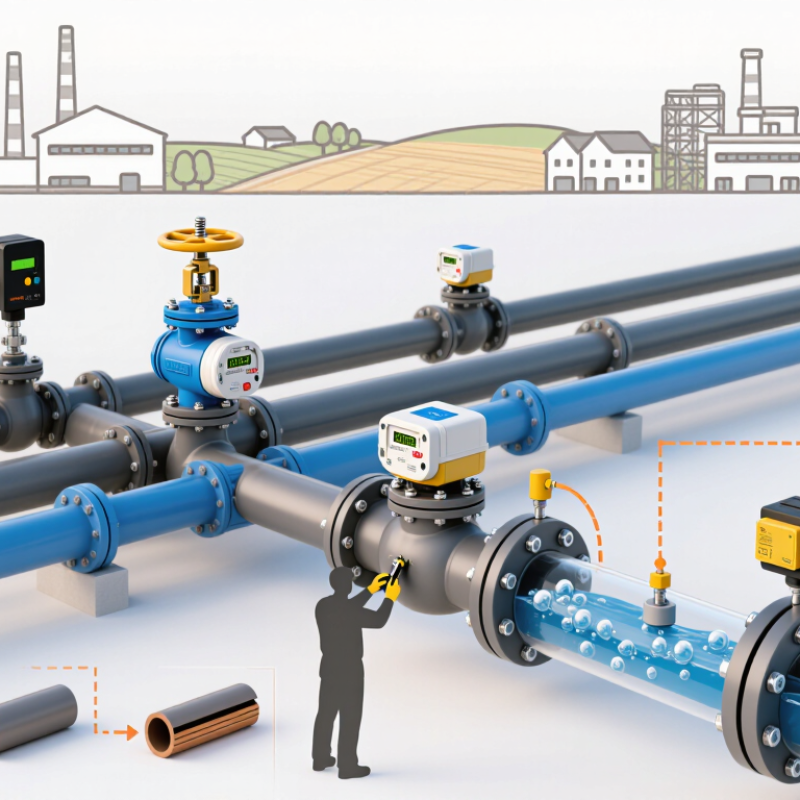
In 2026, global buyers need clamp-on water meters that fit real field conditions, not just laboratory promises. A non-invasive design measures flow through the pipe wall, so technicians avoid cutting pipes or stopping production. This matters in hospitals, factories, farms, and older municipal systems.
Accuracy begins with compatibility. Check pipe diameter, wall thickness, lining, material, and water temperature before ordering. Stainless steel, plastic, and lined pipes may produce different signal conditions. A reliable meter should provide clear setup guidance, stable sensors, and adjustable measurement parameters. Some installations need a straight pipe section before and after the sensors. Space is not always available.
Choose a strong enclosure for outdoor sites. A suitable ingress rating, readable screen, and sealed connectors help during rain, dust, and routine cleaning. Battery life also matters when power is unavailable. Data logging, USB or wireless export, and multiple flow units support international teams. Confirm whether the device offers traceable calibration documents and understandable test procedures. Regional electrical requirements should be checked by qualified personnel.
Small details affect trust. A clamp must hold firmly without damaging the pipe. The display should remain visible in weak light. Support materials should use plain technical English and show practical examples. I have found that quick installation claims can be optimistic. Air bubbles, poor sensor spacing, or changing pipe conditions can reduce readings. Buyers should compare field verification results, not only advertised accuracy. Reliability grows from careful setup, documented checks, and honest limits.



 Close