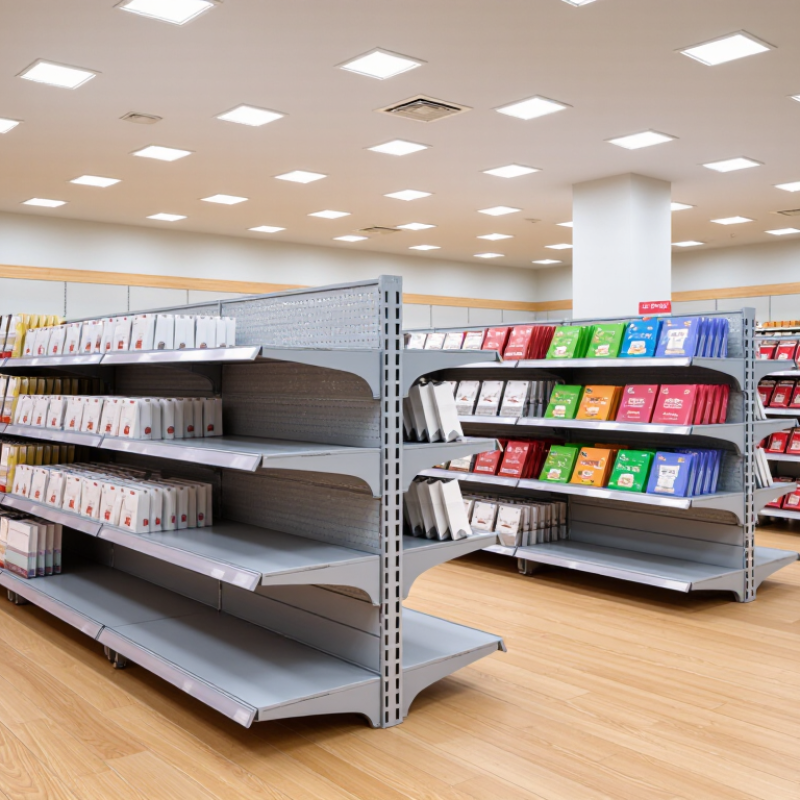
| Choosing a grey finish | Choose a finish suited to the shelf material and store environment. Compare samples under the store’s lighting, since lighting can affect how grey appears. | Check samples in the actual sales area before ordering. | A suitable finish helps maintain a consistent appearance; the finish alone does not determine a shelf’s load capacity. |
| Load capacity | Use the shelving system’s stated load limits. Do not exceed the limit for a shelf, bay, or complete unit, and follow any instructions about evenly distributed loads. | Confirm the product documentation before loading; recheck when changing the display. | Overloading or concentrating weight in one area can cause shelf or unit failure. |
| Planning the layout | Position units so that aisles, exits, accessible routes, fire equipment, and other required clearances remain unobstructed. | Review the floor plan and applicable local requirements before installation. | Required clearances vary by location and building; do not assume one aisle dimension applies everywhere. |
| Assembly | Assemble the unit on a stable surface and follow the supplied instructions. Fit all specified fasteners, braces, clips, and shelf supports. | Check that connections are secure before placing merchandise on the unit. | Missing or incorrectly fitted parts can reduce stability and load performance. |
| Leveling and stability | Place shelving on a firm, level floor. Use only approved leveling components, and secure the unit as directed by its instructions. | Check for rocking, leaning, or movement after assembly and after relocating the unit. | Uneven floors and unsecured tall units can increase the risk of tipping. |
| Wall or floor anchoring | Anchor shelving where required by the manufacturer, the site conditions, or applicable regulations. Select fixings appropriate for the wall or floor construction. | Verify the anchoring method before installation; inspect anchors after any impact or relocation. | Anchoring needs depend on the unit and building surface; do not substitute an unverified fixing method. |
| Loading and merchandising | Place heavier products on lower shelves and distribute weight evenly. Keep merchandise within shelf edges and avoid creating unstable stacks. | Check load placement whenever displays are replenished or rearranged. | Lower, balanced loads can reduce instability and make products easier to handle safely. |
| Cleaning grey surfaces | Dust regularly and wipe surfaces with a soft cloth and mild detergent solution when needed. Dry the surface afterward. | Use a small, inconspicuous test area first, especially on coated or painted finishes. | Abrasive pads, harsh chemicals, and excess moisture may damage some finishes; follow the finish-care instructions. |
| Routine inspection | Look for bent shelves, loose fittings, damaged coatings, corrosion, cracked components, or signs that the unit is leaning. | A practical store-maintenance schedule is a visual check during routine opening or closing tasks, with a closer inspection periodically. | Inspection intervals are a maintenance recommendation, not a universal legal requirement. Address damage promptly. |
| Damage or instability | Remove merchandise from an unstable or visibly damaged section and restrict access until it has been assessed and repaired appropriately. | Recheck the unit before returning products to the affected shelves. | Do not rely on a damaged shelf or improvised repairs to support merchandise. |
| Safe use | Use a suitable step stool or ladder to reach high shelves. Do not climb on shelving or use shelves as steps. | Keep access equipment available to staff and store it safely when not in use. | Retail shelving is not designed to support a person unless specifically identified and rated for that purpose. |
| Relocation | Unload the unit as instructed before moving it. Reassemble, level, and anchor it again according to the manufacturer’s directions. | Inspect the floor, fittings, and unit stability after relocation. | Moving a loaded or improperly secured unit can cause tipping, damage, or injury. |



 Close