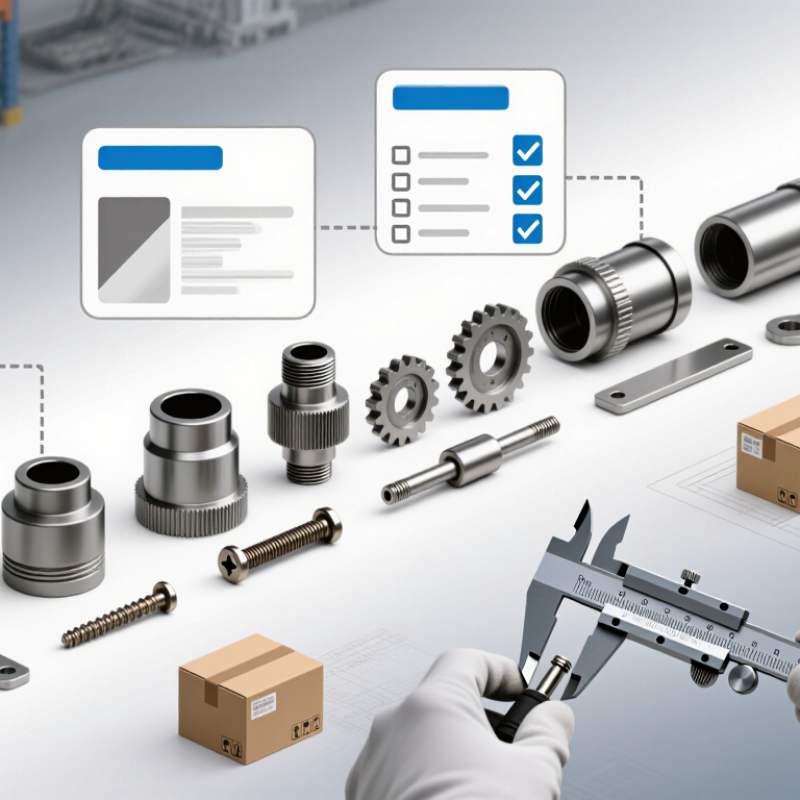
Welding parts manufacturers convert metal drawings into components and assemblies for equipment makers. Their work may include brackets, machine frames, guards, platforms, pipe supports, and custom enclosures. Materials often include carbon steel, stainless steel, or aluminum, selected for strength, corrosion resistance, weight, and operating conditions. A clean weld matters, but fit and function matter just as much.
Production typically involves cutting, forming, fixturing, welding, and inspection. Manufacturers may use manual processes for varied, lower-volume work and automated systems for repeatable production. For buyers, useful questions include how dimensions are checked, how weld procedures are controlled, and whether material records can be supplied. Ask for sample inspection reports when specifications are demanding. Details matter. A mismatched hole or warped flange can delay installation, even when the weld looks sound.
These parts serve construction, agricultural machinery, transportation, energy, mining, and industrial automation. A support frame may carry vibration in a factory, while an outdoor enclosure faces rain and temperature changes. Requirements differ by application, so a single process is rarely ideal. Drawings also leave gaps sometimes. Buyers and manufacturers should clarify tolerances, surface finish, loading, and inspection criteria before production. Even with careful planning, prototype checks can reveal assumptions that need revisiting.



 Close