2026 Top Hydraulic Pressure Pump Features Buyers Want to Know?
In the rapidly evolving world of hydraulic systems, the demand for Hydraulic Pressure Pumps continues to rise. According to a recent report by the International Fluid Power Society, the hydraulic pump market is projected to grow at a CAGR of 5.8% from 2021 to 2026. This growth is driven by advancements in technology and increased automation in various industries.
Expert Robert Jensen, a leading authority in hydraulic technology, emphasizes, "The efficiency and reliability of hydraulic pressure pumps are critical for modern industrial applications." Buyers must understand the key features that distinguish high-quality pumps. Factors such as flow rate, pressure ratings, and size are crucial when selecting the right hydraulic pump.
Additionally, some features that offer flexibility and energy efficiency can enhance operational performance. However, with so many options available, buyers may face challenges in making informed choices. Understanding specific needs is essential, as not all features may apply to every application. Therefore, this guide will explore the must-have features and market expectations for Hydraulic Pressure Pumps in 2026.
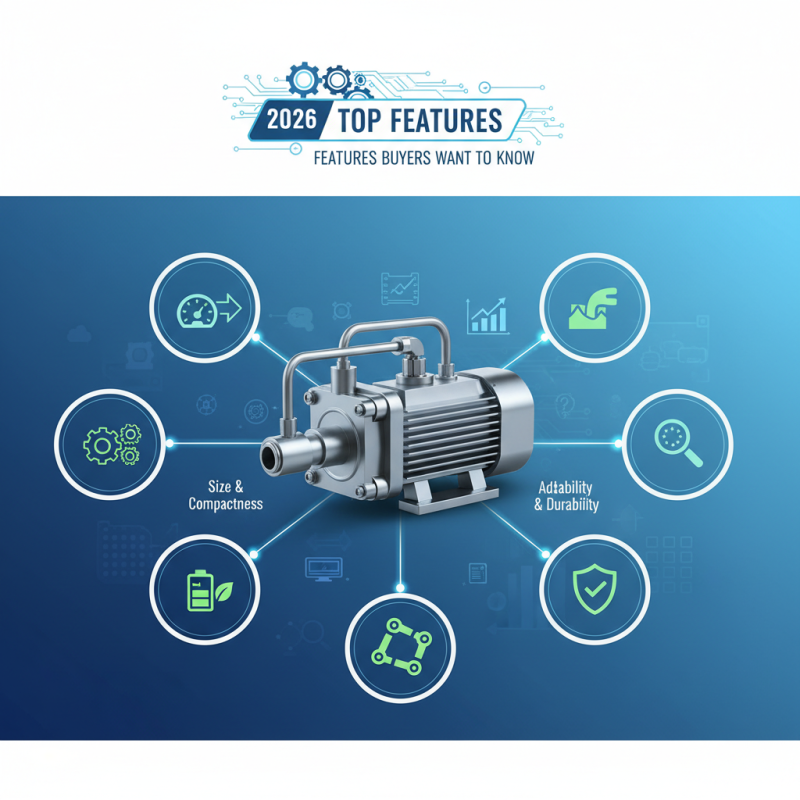
Key Specifications of Hydraulic Pressure Pumps in 2026
Hydraulic pressure pumps are crucial in various industries. In 2026, buyers prioritize certain specifications. These specifications ensure efficiency and reliability in their operations. A top feature is the maximum pressure range. Many users seek pumps that can deliver at least 3,000 PSI. This level caters to both light and heavy applications.
Another important aspect to consider is flow rate. In 2026, flow rates typically range from 1 to 12 GPM. Buyers evaluate how these rates fit their needs. For instance, construction projects demand higher flow rates for rapid work progress. Portability also matters. Many buyers prefer lightweight designs for easy transport.
Additionally, the materials used in construction are key. Many pumps utilize aluminum and reinforced steel for durability. Yet, there might be concerns about corrosion resistance over time. Users often reflect on maintenance requirements. The ease of servicing can greatly impact long-term satisfaction. Balancing performance and maintenance is essential in making the right choice.
Innovative Technologies Improving Hydraulic Pump Performance
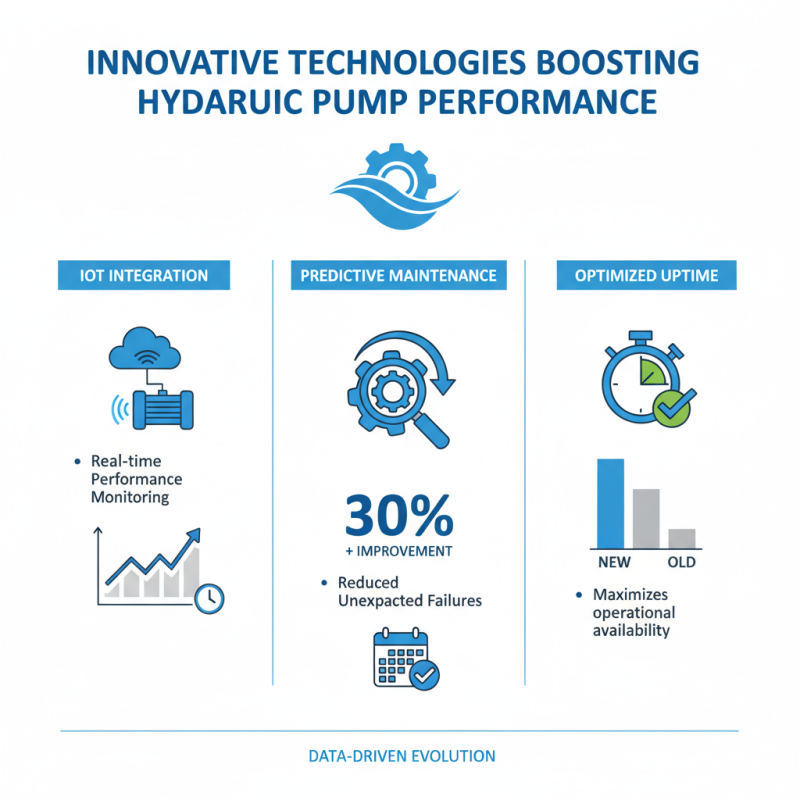
Hydraulic pressure pumps are evolving rapidly through innovative technologies. Recent studies reveal that the adoption of IoT can enhance real-time performance monitoring. In fact, estimates suggest that integrating IoT could improve predictive maintenance by up to 30%. This shift not only maximizes uptime but also minimizes unexpected failures.
Additionally, advancements in materials technology are reshaping hydraulic pumps. Lightweight composites and high-strength materials are now commonplace. These innovations can decrease overall pump weight by 20%, leading to energy savings. However, manufacturers need to consider the cost implications of these advanced materials.
Interestingly, while these new technologies promise efficiency, they also introduce complexities. Training and adaptation may delay implementation. Some workers might find it challenging to integrate these systems. This highlights the necessity for ongoing education and resources to support users. The path to improvement is not entirely smooth, requiring thoughtful consideration of both benefits and challenges.
Common Materials and Design Features in Modern Hydraulic Pumps
In the evolving landscape of hydraulic pumps, materials and design features play a crucial role in performance and durability. Modern hydraulic pumps predominantly utilize high-grade steel, aluminum alloys, and reinforced polymers. These materials are chosen for their strength and resistance to wear and corrosion. Reports from industry leaders illustrate that pumps made from advanced composites can reduce weight by up to 30%, enhancing efficiency without compromising durability.
Design features have become increasingly sophisticated. Engineers focus on optimizing flow dynamics, minimizing energy loss. Variables like impeller design and chamber shape significantly influence performance. According to recent studies, a well-designed hydraulic pump can achieve efficiency ratings of over 90%. However, not all designs meet these standards, leading to energy waste and operational failures in subpar models. Attention to detail is critical, as even minor design flaws can lead to significant issues in high-pressure applications.
In a market where longevity and reliability are paramount, understanding these materials and design features is essential. Buyers must consider the interplay between material science and engineering design. Examining performance data and conducting thorough assessments of available options can help mitigate risks. As technology advances, the quest for better materials and designs continues, reflecting the need for constant innovation in the hydraulic pump industry.
Maintenance Tips for Extending the Lifespan of Hydraulic Pumps
Hydraulic pumps are vital in various industrial applications. Regular maintenance can significantly extend their lifespan. According to industry reports, 70% of hydraulic pump failures are due to improper maintenance. Routine checks can prevent many issues.
One critical maintenance tip is to regularly inspect fluid levels and quality. Low fluid levels or contaminated fluids can lead to pump overheating and wear. Reports indicate that 35% of hydraulic pump failures arise from fluid contamination. Implementing a consistent fluid check procedure can greatly reduce these risks.
Another essential practice is monitoring for leaks. Unnoticed leaks can lead to significant fluid loss, compromising pump performance. Experts recommend conducting regular visual inspections and pressure tests. Doing so can catch problems early, ensuring reliable operation. Remember, even small leaks can lead to major complications.
2026 Top Hydraulic Pressure Pump Features Buyers Want to Know
This chart represents the most desired features in hydraulic pressure pumps based on market research conducted in 2026. Key features include efficiency, durability, ease of maintenance, and energy consumption which are crucial for buyers.
Market Trends Influencing Hydraulic Pressure Pump Purchases in 2026
As the hydraulic pressure pump market evolves, several trends shape buyer preferences in 2026. Sustainability is increasingly on buyers' minds. Companies aim for energy-efficient solutions that reduce carbon footprints. This shift drives demand for pumps with eco-friendly designs and materials.
Another significant trend is the integration of smart technology. Many buyers now prefer pumps equipped with IoT capabilities. These innovations allow real-time monitoring and predictive maintenance. Users can enhance operational efficiency while minimizing unexpected downtime.
However, choices in the hydraulic pump market remain complex. Buyers often face overwhelming options, leading to potential confusion. With technology advancing rapidly, it can be challenging to determine the most reliable solutions. Buyers must consider their specific applications and operational requirements carefully. This reflection is essential for making informed decisions.
2026 Top Hydraulic Pressure Pump Features Buyers Want to Know
| Feature |
Importance Level (1-10) |
Market Trend Influence (%) |
Expected Price Range ($) |
| Energy Efficiency |
9 |
35 |
1,000 - 1,500 |
| Durability |
8 |
30 |
1,200 - 1,800 |
| Size and Weight |
7 |
25 |
800 - 1,300 |
| Ease of Maintenance |
8 |
20 |
900 - 1,400 |
| Pump Type (e.g., gear, piston) |
7 |
15 |
1,000 - 2,000 |



 Close
Close