Our company only collects the necessary data and respects your privacy, in accordance with the General Law for the Protection of Personal Data 13.709/2018. By continuing, you confirm that you have read and accepted the Privacy Notice. Privacy Policy.

Medal Pt Br Medal Es

Medal Group

2026 Top Quick Connect Coupler Types for Buyers

Choosing a Quick Connect Coupler starts with the job it must perform, not the product photo or lowest quoted price. Buyers should consider the working fluid, pressure range, flow demand, temperature, connection size, and how often the line will be connected or disconnected. Small details matter. A mismatched seal material or thread can cause leaks, restrict flow, or create avoidable downtime.

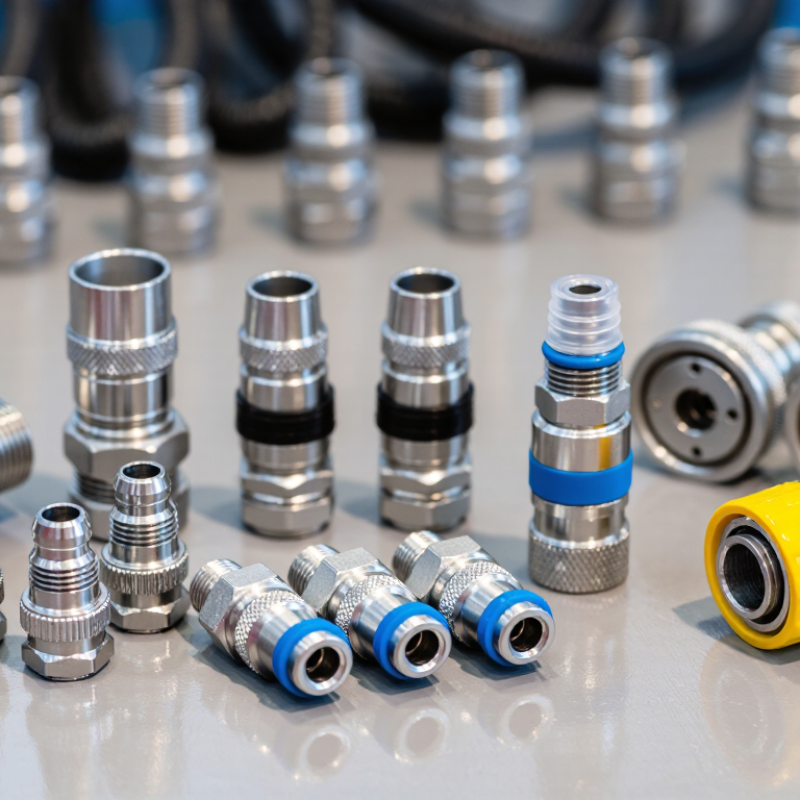
This guide introduces common coupler types buyers may encounter in 2026, including push-to-connect, threaded, hydraulic, pneumatic, and flat-face designs. Each suits different operating conditions. Push-to-connect models can simplify frequent changes, while flat-face couplers can help limit fluid loss during disconnection. Neither is automatically the best choice. Check the manufacturer’s specifications and confirm compatibility with the hose, port, and system before ordering.

Look beyond the headline pressure rating. Review flow capacity, sealing materials, locking method, connection dimensions, and service requirements. For demanding applications, ask suppliers for technical data and clear confirmation of the exact configuration. Standards and naming conventions can vary across products, so a familiar label alone is not proof of interchangeability. This is where buyers sometimes rush. A sample fit test or a careful review by a qualified technician may prevent an expensive mismatch. The sections ahead compare practical features, trade-offs, and selection questions, helping you build a shortlist based on real operating needs rather than assumptions.

2026 Top Quick Connect Coupler Types for Buyers

What Quick Connect Couplers Are and How They Work

2026 Top Quick Connect Coupler Types for Buyers
What Quick Connect Couplers Are and How They Work

A quick connect coupler joins two fluid or air lines without threading them together. Most designs pair a plug with a socket. Pull back the socket sleeve, insert the plug, then release the sleeve. Locking balls or pins hold the connection in place. Some couplers shut off flow on one side; double-shutoff versions close both sides during disconnection. That reduces spills, but does not remove all pressure risk.

The connection sounds simple. The details matter. Match the coupler’s pressure rating, fluid compatibility, and temperature range to the actual system. A clean click is reassuring, but it is not proof of a leak-free seal. The U.S. Department of Energy’s Improving Compressed Air System Performance sourcebook reports that leaks can waste 20–30% of compressor output in some systems. A worn coupler seal can contribute to that loss.

Tips: Depressurize lines before disconnecting, unless the coupler is specifically designed for safe under-pressure release. Wipe grit from the plug before joining; small particles can damage seals. Then check for leaks under operating conditions. A quick visual check can miss a slow leak.

2026 Top Quick Connect Coupler Types for Buyers — What Quick Connect Couplers Are and How They Work

Quick connect couplers join fluid or air lines so they can be connected and disconnected without tools. Common types include hydraulic poppet, flat-face, screw-to-connect, pneumatic push-to-connect, and dry-break couplers.

ISO 7241-A Hydraulic Coupling Nominal Size Classes

The chart shows nominal size classes used in the ISO 7241-A hydraulic quick-coupling series. Nominal size is a size designation, not a measurement of actual bore or guaranteed flow capacity; verify the relevant standard and manufacturer specifications when selecting a coupler.

Key Components and Connection Mechanisms

A quick connect coupler is more than two pieces of metal that click together. Its main parts usually include a socket body, a plug, a locking sleeve, retaining balls or pins, a spring, and sealing elements. The plug enters the socket. The sleeve moves back, allowing the locking elements to clear the plug; when released, the spring pushes them into place. You may hear a click.

Still, sound alone does not confirm a secure connection.

Inside many couplers, poppet valves control flow. In double-shutoff designs, valves in both halves close when disconnected, helping limit fluid loss and air entry. Some designs use a flat-face valve to reduce trapped fluid during separation. Threaded connections rely on turning parts together, while push-to-connect styles use the sliding sleeve and locking elements for faster coupling.

Small details matter: a worn seal can leak, and grit can interfere with the lock. Not always obvious. In practical selection, check the fluid, working pressure, temperature range, flow needs, and connection profile against equipment specifications.

I have found that “fits” can be a misleading description; two couplers may look alike yet fail to mate or seal reliably. A clean inspection before connection is worth the extra moment.


Major Quick Connect Coupler Types Compared

Quick-connect couplers differ by sealing mechanism, connection method, and tolerance for contamination. Poppet-style hydraulic couplers close with spring-loaded valves and suit general-purpose circuits. Flat-face couplers limit fluid spillage during connection and disconnection, though they cannot eliminate contamination. Threaded couplers resist accidental separation but take longer to connect. Pneumatic push-to-connect fittings are convenient for air lines, but they are not substitutes for hydraulic couplers.

ISO 7241 defines requirements and interchangeability dimensions for hydraulic quick-action couplings; ISO 16028 covers flat-face designs. These standards help buyers compare compatible products, not assume every fitting in a category performs alike. Small detail. But it matters. The U.S. Department of Energy’s Improving Compressed Air System Performance sourcebook reports that leaks can waste 20–30% of compressor output in poorly maintained systems. A worn coupler seal can contribute to that loss. Check operating pressure, flow needs, fluid type, connection frequency, and service access before choosing. A flat face may simplify cleanup, while a threaded connection may suit a line exposed to vibration. Specifications still need close reading. The fitting alone will not fix poor maintenance.

How Applications and Operating Conditions Affect Coupler Choice

Choosing a quick connect coupler starts with the machine’s actual duty, not its catalog flow rating. A compact agricultural loader may need frequent attachment changes, while a press line may stay connected for weeks. For dusty field work, flat-face couplers limit fluid loss and reduce dirt entry during connection. Poppet-style designs often suit general hydraulic circuits, but their pressure drop can matter at high flow. Small detail. Check both halves, not just the coupler body.

Operating conditions narrow the choice. Compare working pressure and pressure spikes, fluid viscosity, temperature range, and required flow. A coupler rated for the system’s nominal pressure may still be unsuitable if cylinders stop abruptly. Hot oil can soften seals; cold starts can make viscous fluid harder to move. Repeated vibration or side loading can loosen connections, so hose routing and support deserve attention. Thread and sealing geometry must also match the port; forcing a near-fit is a costly shortcut.

Maintenance patterns matter too. If operators connect with gloves in rain, an easy-to-grip sleeve may be more practical than a compact, stiff design. Frequent connection favors low-spill faces; permanent circuits may prioritize flow capacity and service access. Confirm compatibility with the fluid and seal material, then test under real operating pressure and temperature. Specifications are useful, but they cannot capture every installation. I would recheck the connection after the first few shifts, especially where dirt or vibration is common.

What Buyers Should Check When Selecting Couplers in 2026

When selecting quick connect couplers in 2026, match the coupler to the actual operating conditions, not just the hose diameter. Check working pressure, temperature range, flow requirements, and the fluid or gas being carried. A seal that tolerates water may not suit oil or a cleaning chemical. Small details matter. Compare connection styles, such as push-to-connect, sleeve-lock, threaded, or flat-face designs, against how often the line will be connected and disconnected.

Confirm the port size, thread form, and pressure rating on both halves of the connection. A mismatch can restrict flow or cause leaks, even when parts appear to fit. Check whether the coupler includes a locking sleeve or another feature that helps prevent accidental separation. In dusty settings, protective caps and flat-face designs can reduce contamination during changeovers. Ask suppliers for dimensional drawings and material details, then verify them against the equipment manual. A useful shop-floor check is to connect and disconnect a sample with gloves on; a stiff sleeve can be awkward during routine service. Even a careful checklist can miss a worn seal, so include seals and visible damage in regular inspections.