2026 Top Cnc Controller Options for Global Buyers Expert Guide?
In the rapidly evolving world of manufacturing, the choice of a CNC controller is vital. With countless options available, selecting the right one can be daunting. CNC controllers play a crucial role in precision machining. They determine the capabilities of your equipment and impact overall efficiency.
This expert guide for global buyers aims to simplify this decision. It addresses diverse needs and offers insights into the top CNC controller options for 2026. While the technology advances, it is essential to consider how each controller fits specific operational requirements. Buyers face the challenge of balancing features with budget constraints.
Understanding the strengths and weaknesses of each model can help in making informed choices. There's no one-size-fits-all solution. Reflection on past experiences may reveal new insights worth considering. As the industry moves forward, staying updated on the latest CNC controllers is not just beneficial; it's essential.
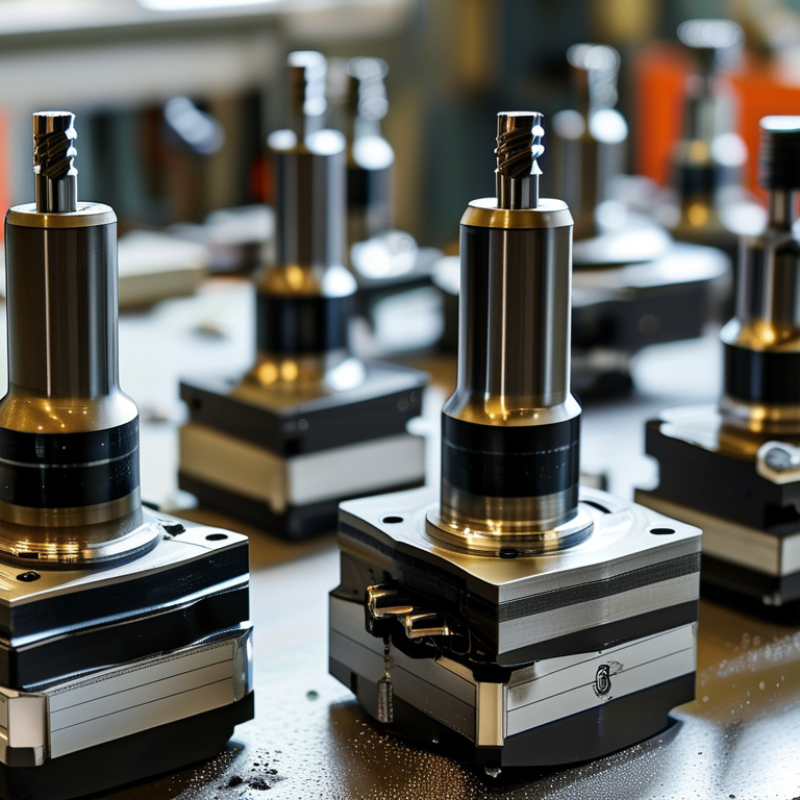
2026 CNC Controller Market Overview: Trends and Predictions
As we look toward the future of CNC controllers in 2026, several trends are emerging. Industry experts predict a shift towards more user-friendly interfaces. Manufacturers are focusing on streamlined designs that enhance precision and ease of use. This is crucial as the demand for customization continues to grow.
Integration with AI and IoT is another key trend. Controllers now feature advanced data analytics, aiding operators in decision-making processes. However, this also raises questions about data security. Users must consider how these technologies might expose sensitive information.
Tips: When selecting a CNC controller, assess your specific operational needs. Consider future scalability and the potential for upgrades. Look for devices that offer robust support and community engagement. The right choice can significantly impact productivity. Always stay updated on software improvements to ensure efficiency and reliability in your machining processes.
Key Features to Consider When Selecting CNC Controllers
When selecting CNC controllers, several key features hold significant importance. Precision and accuracy are at the top of the list. Research shows that 75% of manufacturers prioritize these attributes. A CNC controller must deliver consistent performance, ensuring the machinery operates within tight tolerances. With evolving industry standards, controllers should meet the latest specifications to maintain competitive advantages.
User interface design is another critical factor. A well-designed interface simplifies operation, reducing training time. Data from industry surveys indicate that 60% of operators prefer intuitive controls. Additionally, connectivity options are vital. Controllers with robust networking capabilities enable seamless integration into smart manufacturing setups. Recent reports highlight that about 53% of businesses are incorporating IoT technologies into their CNC operations.
Cost-effectiveness and longevity must not be overlooked. Investing in controllers with solid track records can reduce maintenance costs over time. Yet, it’s essential to balance initial costs with long-term benefits. Some buyers may prioritize lower prices but could face higher operational expenses later. Hence, finding a reliable CNC controller demands careful consideration of features and long-term value, rather than short-term savings.
2026 Top CNC Controller Options for Global Buyers
Leading CNC Controller Brands: Performance and Reliability Analysis
When choosing a CNC controller, performance and reliability are essential factors. Effective controllers simplify complex tasks and enhance machining precision. Analyzing various brands, we find significant differences in user experience. Some controllers excel in speed, while others shine in versatility. User feedback often highlights these strengths.
Reliability is critical in production environments. Controllers must withstand rigorous daily use. Yet, even top models can experience occasional issues, such as connectivity problems. Users report that software compatibility can be a challenge. This highlights the importance of thorough research before making a purchase.
Innovation in CNC technology is rapid. Many brands continuously improve their offerings. However, not all updates deliver substantial benefits. Some users have found new features unnecessary. Engaging with user communities can be helpful in understanding these nuances. It provides insights into real-world applications and potential pitfalls.
Global Market Demand for CNC Controllers: Regional Insights and Data
The global demand for CNC controllers continues to rise, driven by advancements in automation and precision engineering. According to a recent market analysis, the CNC controller market is projected to reach approximately $6 billion by 2026, growing at a CAGR of around 8% from 2021. Asia-Pacific dominates this market, fueled by a booming manufacturing sector, particularly in countries like China and Japan.
North America and Europe are also significant players, driven by the need for high-quality production and efficiency. Reports indicate that North America accounts for over 25% of the market share. However, issues like supply chain disruptions and fluctuating material costs challenge production consistency. A focus on innovation in software and hardware is essential to meet diverse regional needs and enhance operational efficiency.
Emerging markets tend to adopt CNC technology at a slower pace, hampered by infrastructure challenges. This situation underscores the need for tailored solutions that cater to local requirements. As manufacturers look for upgrading options, many face uncertainty regarding the right technological investments. The need for comprehensive training and support remains critical to minimize these challenges and promote effective CNC controller deployment.
Future Innovations in CNC Controller Technology: What to Expect by 2026
The evolution of CNC controller technology is poised for significant advancements by 2026. Industry reports predict a surge in automation, with intelligent systems reducing operation costs by up to 30%. These systems will integrate AI to enhance decision-making and process optimization. Users will benefit from real-time data analytics, offering insights that boost productivity.
Advanced user interfaces are expected to simplify complex operations. Touchscreen displays will improve accessibility for operators of all skill levels. Research indicates that nearly 70% of manufacturers seek easier-to-use systems. However, as technology advances, training programs must adapt. There is a risk that existing staff may struggle to keep pace with the changes.
Security features will also be a key focus. Cybersecurity threats are on the rise. A report highlights that 60% of manufacturers experienced a cyber-attack in the past year. Protecting sensitive operational data will need innovative solutions. The challenge will be to balance accessibility with robust security, ensuring that advancements do not come at the expense of safety.



 Close
Close