2026 Top Die Casting Molds Trends You Need to Know?
In the evolving field of manufacturing, Die Casting Molds play a crucial role. John Smith, a leading expert in the industry, once stated, “Innovation in die casting molds drives efficiency and sustainability.” As we look toward 2026, new trends will shape this sector significantly. Companies must stay informed to remain competitive.
Modern Die Casting Molds are becoming more sophisticated. Advanced materials and designs are paving the way for better performance. For example, new technologies allow for lighter, stronger molds. However, adopting these innovations can be challenging. Many companies struggle with the initial costs and training.
The industry also faces other challenges. Sustainability is becoming essential. Manufacturers must find ways to reduce waste and energy use. This trend is not only beneficial for the planet but also appealing to consumers. As we anticipate the future, understanding these trends in Die Casting Molds is vital for success.
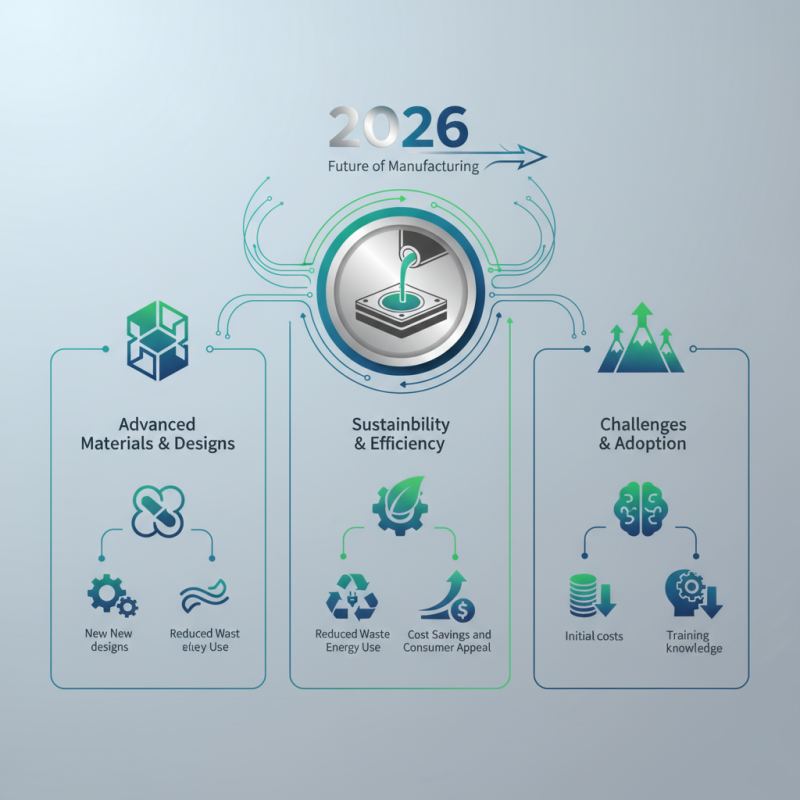
2026 Die Casting Molds: Emerging Trends and Innovations
In 2026, the die casting industry promises exciting innovations. One major trend is the increased use of lightweight materials. Manufacturers are exploring aluminum and magnesium alloys. These materials enhance performance while reducing overall weight. This shift can lead to better fuel efficiency in automotive applications.
Another key development is the integration of advanced technology. Smart casting solutions are emerging, utilizing AI and automation. These technologies improve precision and reduce waste. However, implementing these innovations poses challenges. Not all manufacturers are ready for such a shift. Understanding the technology is essential for successful adoption.
Sustainability is also a critical trend. Companies are focusing on environmentally friendly processes. Reducing emissions and implementing recycling practices are becoming standard. Yet, measuring the actual impact of these changes is complex. The industry still has room for growth and reflection. As trends evolve, staying informed and adaptable will be key.
Sustainable Materials in Die Casting Mold Production
Sustainable materials are gaining traction in die casting mold production. The shift towards eco-friendly options is crucial. Manufacturers seek alternatives to traditional materials that may harm the environment. These new materials often have lower carbon footprints. More companies are adopting recycled metals. This is a promising step toward sustainability.
Incorporating sustainable practices is not always straightforward. Many businesses may struggle to find reliable suppliers of eco-friendly materials. The initial costs can be higher than conventional options, which may deter some manufacturers. It's essential to weigh the long-term benefits against these challenges. Awareness and education in the industry are key.
Tips: Research alternatives thoroughly. Collaborate with suppliers who prioritize sustainability. Start small, test new materials, and assess their performance. Adjust your processes gradually. Focus on continuous improvement. This will help ease the transition and enhance your production’s sustainability.
Advancements in Die Casting Technologies for Enhanced Efficiency
Die casting technology is rapidly evolving, focusing on efficiency and precision. In 2026, advancements are set to enhance production capabilities. For example, utilizing simulation software can reduce defects by up to 30%. This leads to significant cost savings and improved product quality.
Automation in die casting processes is on the rise. The use of robotic systems can increase production rates by 50%. These systems also minimize human error, ensuring consistent results. However, companies must invest in training for their workforce to fully embrace these changes.
Tips: Always evaluate new technologies thoroughly. Integration can be challenging, and not every solution fits every company. Focus on what aligns with your production goals. Additionally, regularly review your process efficiency. Small adjustments can yield big results, fostering a culture of continuous improvement.
Impact of Automation on Die Casting Mold Design and Production
The landscape of die casting mold design is rapidly evolving, heavily influenced by automation. Automation has streamlined production processes, allowing for greater consistency and efficiency. Research indicates that industries utilizing automated systems can enhance productivity by approximately 30% while reducing lead times. This shift is reshaping how molds are designed and produced.
Automation introduces sophisticated technologies such as robotics and AI. These technologies ensure precision in mold creation. However, the integration isn’t without challenges. Many companies struggle with adapting their existing systems to new technologies. Reports show that nearly 40% of manufacturing firms face skill gaps in their workforce, hindering full automation adoption.
The implementation of automated systems requires substantial investment. Data shows that companies can see a return on investment within 2-3 years if executed effectively. Yet, many businesses hesitate, fearing the disruption of traditional workflows. It raises questions about how to balance innovation with proven methods. Embracing change is essential, but remaining reflective on past practices is equally important.
2026 Top Die Casting Molds Trends: Impact of Automation on Die Casting Mold Design and Production
Market Insights: Future Outlook for Die Casting Molds in 2026
The die casting molds market is on the verge of significant evolution by 2026. Recent reports indicate that the market is projected to reach approximately $4.5 billion within this timeframe. Growth stems from the increasing demand for lightweight components in the automotive and aerospace sectors. As manufacturers strive for efficiency, the need for precision tooling will become paramount.
Technological advancements are pivotal. Automation and 3D printing gradually reshape mold production. According to industry analysts, 40% of die casting systems will incorporate advanced technology by 2026. This shift promises enhanced performance and reduced lead times. However, there are challenges. Investment in new technologies can be daunting for smaller firms. Many struggle to keep pace with rapid developments, risking obsolescence.
Adapting to market changes requires proactive strategies. Companies must align with sustainable practices as environmental concerns rise. A notable 30% of manufacturers are exploring eco-friendly materials and processes. Yet, the transition is complex. Awareness and training are necessary, but these often lag behind technological advancements. Balancing innovation with practical application will be crucial in securing future success within the die casting industry.
2026 Top Die Casting Molds Trends You Need to Know
| Trend | Description | Estimated Market Growth (2026) | Key Drivers |
| Automation in Die Casting | Increasing use of automated systems to enhance production efficiency and reduce labor costs. | 15% | Labor Shortage, Cost Reduction |
| Lightweight Materials | Growing demand for lighter materials to improve fuel efficiency in automotive and aerospace industries. | 20% | Sustainability, Regulatory Standards |
| Customization | Increased demand for custom die casting solutions to meet specific product requirements. | 18% | Market Specificity, Versatility |
| Sustainable Practices | Implementation of eco-friendly practices and materials to reduce environmental impact. | 25% | Environmental Regulations, Consumer Demand |
| Integration with Industry 4.0 | Embracing smart manufacturing technologies for increased connectivity and efficiency. | 30% | Technological Advancements, Data Utilization |

 Close
Close