2026 Top In-Vacuum Linear Motion Stage Buyers Guide?
In today's high-tech landscape, the demand for precision equipment is on the rise. One crucial component in this realm is the In-Vacuum Linear Motion Stage. These devices play a pivotal role in various applications, from semiconductor manufacturing to scientific research. They enable smooth movement in vacuum conditions, which is essential for maintaining low contamination levels and achieving accurate results.
Selecting the right In-Vacuum Linear Motion Stage can be challenging. Buyers must consider factors like load capacity, speed, and precision. The market offers a variety of options, but not all are created equal. It's important to evaluate the specifications and the performance of each stage. Look for reputable manufacturers known for their quality and reliability.
Reflecting on your needs is vital. What specific application are you targeting? Will the linear motion stage meet your long-term requirements? As you navigate this guide, keep these questions in mind. Your choice can impact the performance of your entire system, so careful consideration is essential.
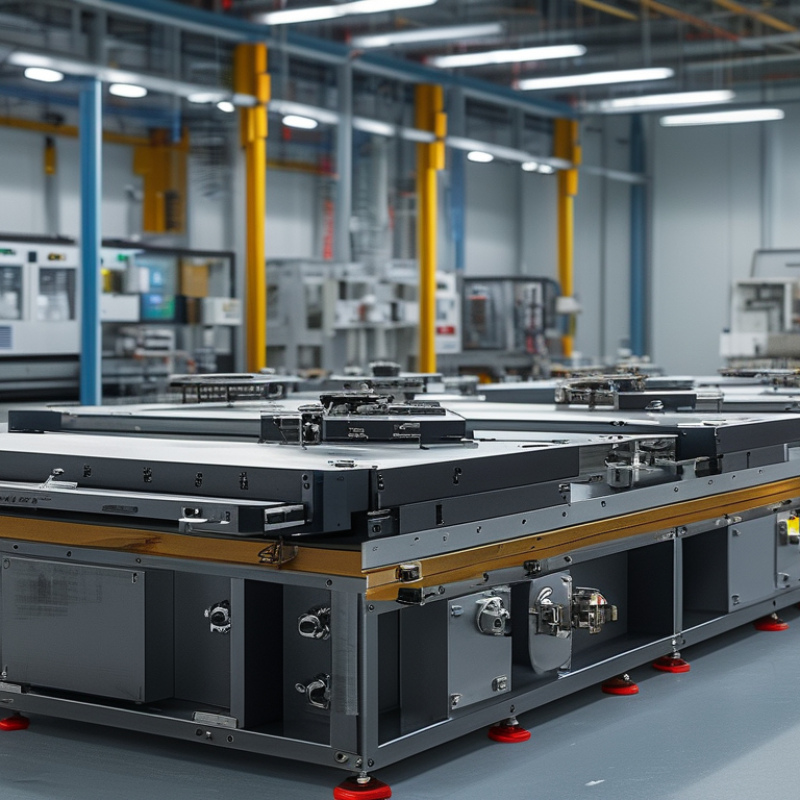
Understanding In-Vacuum Linear Motion Stages and Their Applications
In-vacuum linear motion stages are crucial for various scientific and industrial applications. These stages enable precise movement in environments where traditional mechanisms fail. They are often used in fields like semiconductor manufacturing, aerospace testing, and materials research. The movement mechanism often relies on high-performance bearings and drive systems that function effectively in vacuum conditions.
The design of these stages is critical. Factors such as weight, size, and material choice can significantly enhance performance. For example, using lightweight materials can reduce inertia, ensuring quicker responses. At the same time, vacuum-compatible lubricants are essential for consistent performance. The challenges of maintaining precision in a vacuum environment require careful analysis.
However, buyers must consider the limitations. Choosing the wrong specifications can lead to inefficiencies. Not all stages perform equally in extreme conditions. It's important to assess the unique requirements of each application. Understanding these details is key to making informed decisions. Balancing performance and durability is a complex task that requires expertise.
2026 In-Vacuum Linear Motion Stage Applications
Key Features to Consider When Purchasing In-Vacuum Linear Motion Stages
When considering in-vacuum linear motion stages, several key features merit attention. First, the material composition is crucial. Stages need to perform in extreme conditions. Materials like stainless steel or specialized alloys often offer durability. These materials must also withstand the vacuum environment without releasing contaminants.
Another important factor is the accuracy and resolution of the motion stage. Precision is vital for applications like semiconductor manufacturing. Even minor deviations can lead to significant errors. Look for stages that provide high repeatability and low backlash. However, achieving this precision often requires careful calibration and fine adjustments, which can be a learning curve.
Lastly, consider the drive mechanism. Different systems, such as linear motors or lead screws, come with distinct benefits and drawbacks. Drive mechanisms can affect speed, load capacity, and maintenance needs. It's essential to assess these aspects based on your application's requirements. Engaging with professionals or knowledgeable suppliers can help clarify uncertainties.
Comparative Analysis of Leading In-Vacuum Linear Motion Stage Manufacturers
When selecting an in-vacuum linear motion stage, evaluating the manufacturers is crucial. Each company brings unique features and advantages. A solid reputation often signals reliability in performance. Many manufacturers excel in creating durable, precise mechanisms. However, this doesn't mean all offerings suit every application. Examining specifications is essential.
Consider factors like load capacity, stroke length, and vacuum ratings. These specifications often influence a project's success or failure. Some manufacturers might overlook specific technical requirements. Conversely, others innovate to enhance their products. Robust testing processes are vital. Yet, not every company is transparent about these procedures. Customers should seek clarity on performance metrics.
User experiences reveal the importance of direct engagement with manufacturers. Some users report delays in customer support. Others find installation guidance lacking. It's clear that a personal touch can significantly impact satisfaction. Buyers must research customer reviews and independent assessments. This information will offer insights into real-world performance and service quality.
Factors Influencing Pricing of In-Vacuum Linear Motion Stages
When purchasing in-vacuum linear motion stages, several factors influence their pricing. Understanding these factors is essential for making an informed decision. One key aspect is the material. High-quality materials can significantly raise costs. Stages built with durable components tend to last longer and perform better. However, balancing quality with budget is crucial.
Another aspect is the complexity of design. Advanced features such as built-in sensors and motors can add to the price. Simple models are more affordable, but they may lack precision. It's vital to assess the application needs before choosing.
Tips: Always consider the application requirements first. Does it demand high precision or robustness? Researching multiple suppliers can reveal different pricing structures. Don't hesitate to ask for detailed specifications. Sometimes, the cheapest option might not suit your long-term needs.
In-vacuum stages often require custom solutions, impacting pricing further. This customization might lead to longer lead times and potential misunderstandings. It's important to communicate clearly with vendors about your specific requirements. Always seek clarity on support and warranty terms as well. Investing time upfront can save costs later.
Future Trends in In-Vacuum Linear Motion Stage Technology and Design
In-vacuum linear motion stages are critical for various applications. This includes scientific research and semiconductor manufacturing. Future trends suggest increased miniaturization. Smaller components will provide greater precision and efficiency. This change could drive innovation in design and functionality.
Another important trend is the use of advanced materials. These materials must withstand harsh vacuum conditions. Innovations in materials science will lead to stronger, lighter stages. This development will enhance reliability and longevity. Engineers may need to rethink traditional designs.
However, challenges remain. Integrating new technologies while maintaining performance is complex. Price sensitivity may hinder widespread adoption of advanced stages. Users must weigh the benefits against costs. Continuous feedback is crucial for improvement. Innovating in this field requires collaboration and reflection on existing hurdles.



 Close
Close