2026 Top Stainless Steel Keel Uses and Benefits Explained?
In recent years, the use of the stainless steel keel has gained significant traction in the maritime industry. Dr. Emily Carter, a leading expert in marine engineering, stated, "The stainless steel keel provides unmatched durability and stability in boat design." This underscores the material's importance for shipbuilders and designers.
The stainless steel keel, known for its corrosion resistance and strength, is essential for both small vessels and large ships. It enhances the structural integrity of the hull, making it a preferred choice for many. The transition from traditional materials to stainless steel is not just a trend; it reflects a deeper understanding of performance and safety at sea. However, the high cost of stainless steel can pose challenges.
Despite these concerns, the benefits often outweigh the drawbacks. Many vessel owners find that the long-term advantages make the investment worthwhile. Exploring the various applications and benefits of the stainless steel keel reveals why it stands out. It is crucial to consider both its strengths and limitations in the evolving marine landscape.
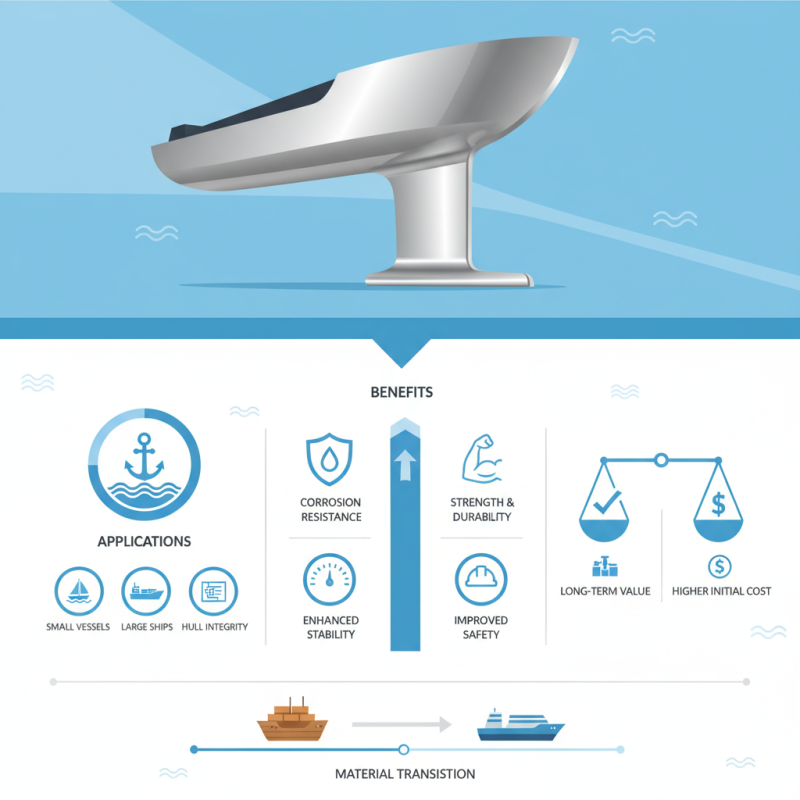
Top Stainless Steel Keel Uses in Marine and Structural Applications
Stainless steel keels play a vital role in marine and structural applications. Their durability sets them apart. Boats often utilize stainless steel keels for added stability. They withstand harsh marine environments. This metal resists rust and corrosion effectively. In saltwater, longevity is crucial. A well-made keel can last for decades.
In structural engineering, stainless steel keels are essential. They provide support for various constructions. Beams and frames often integrate this material. Its strength helps bear heavy loads. Buildings in coastal areas benefit significantly from this choice. However, careful design is necessary. Over time, factors like salt exposure can weaken materials. Regular inspections are needed.
While stainless steel offers many advantages, there are challenges. It can be expensive compared to other materials. Additionally, welding requirements can complicate projects. Proper skills and equipment are vital. A mistake during installation may lead to serious issues. All these factors require thoughtful consideration.
2026 Top Stainless Steel Keel Uses and Benefits Explained
Properties of Stainless Steel That Enhance Keel Performance
Stainless steel is an exceptional material for constructing keels. Its high tensile strength provides stability to boats. This is crucial for performance in rough waters. The ability to resist corrosion enhances durability. Saltwater environments can be harsh, but stainless steel can withstand them. This property reduces maintenance costs over time.
Another significant aspect is the weight-to-strength ratio. A stainless steel keel can be relatively lightweight, which aids in speed. However, achieving the balance between strength and weight can be challenging. Some designers may compromise on weight, affecting overall performance. A keel that is too light might not provide adequate stability.
The magnetic properties of stainless steel can also be a consideration. Some may overlook this aspect. Keels need to be aligned perfectly for optimal performance. Misalignment can lead to steering issues. Therefore, stainless steel's magnetic behavior should be evaluated. It’s important to reflect on these details during the design process to enhance overall effectiveness.
The Environmental Benefits of Using Stainless Steel for Keels
The use of stainless steel for keels brings forth significant environmental benefits. Stainless steel is 100% recyclable, which is crucial in reducing waste. According to the International Stainless Steel Forum, about 70% of stainless steel produced is recycled. This process saves energy and reduces carbon emissions. Each ton of recycled stainless steel saves approximately 1.5 tons of carbon dioxide from being released into the atmosphere.
Moreover, stainless steel's durability contributes to sustainable practices. It has a long lifespan, often exceeding 50 years. This longevity reduces the need for frequent replacements, which in turn cuts down on resource consumption and waste. However, the production of stainless steel does involve considerable energy use. The industry must continue working to enhance energy efficiency.
Using stainless steel for keels also ensures safety in aquatic environments. It resists corrosion from seawater, thus minimizing toxic leaching. This protects marine ecosystems. Yet, it's essential to scrutinize the sourcing of materials. Mining practices can impact local environments, reflecting the need for responsible material sourcing. Balancing these factors is vital for sustainable development in the maritime industry.
Comparative Analysis: Stainless Steel vs. Other Keel Materials
When comparing stainless steel to other keel materials, several factors come into play. Stainless steel boasts excellent corrosion resistance. This makes it ideal for marine environments. Other materials, such as aluminum or fiberglass, may not offer the same durability. For example, aluminum keels can corrode over time, especially in saltwater. Fiberglass keels can experience damage from impacts or stress. With stainless steel, you get strength and longevity.
However, the weight of stainless steel is a consideration. It tends to be heavier than aluminum. This can affect the vessel's overall performance and maneuverability. On the other hand, the weight provides stability in rough conditions. Balancing these factors is crucial. Another aspect is cost. Stainless steel can be more expensive upfront compared to other materials. Yet, the cost-benefit analysis may favor stainless steel in the long run. Its durability could save money on repairs and replacements. This is where personal preference and intended use play an important role.
Future Trends in the Development of Stainless Steel Keel Technology
The stainless steel keel technology is rapidly evolving. Predictions suggest the demand for stainless steel in marine applications will grow by 4.5% annually through 2028. This is largely due to its resistance to corrosion and improved durability. The marine industry seeks ways to create more resilient vessels while minimizing maintenance costs.
Future trends show an interest in lighter materials combined with stainless steel. Hybrid designs, using composites and stainless steel, can lead to increased efficiency. Recent studies indicate a significant rise in the use of advanced welding techniques. These have the potential to enhance structural integrity. However, the challenge remains in balancing weight and strength.
Sustainability is gaining traction. Eco-friendly production practices are becoming essential. Reports suggest that manufacturers are exploring recycled stainless steel sources. This reflects a shift towards more sustainable materials in marine construction. Addressing the balance between performance and environmental impact is crucial for the industry’s future.



 Close
Close