What is a 300-Type Rotary Powder Compacting Machine?
The 300-Type Rotary Powder Compacting Machine is a vital tool in the manufacturing sector. It enhances efficiency in creating compacted materials. According to Dr. Alex Bennett, a leading expert in powder technology, "The design of the 300-Type Rotary Powder Compacting Machine optimizes the compaction process, reducing waste significantly." His insights highlight the machine’s importance.
This equipment operates by applying uniform pressure to powders, forming them into compact shapes. It is crucial for various industries, including ceramics and metallurgy. However, achieving optimal results can be challenging. Factors like particle size and moisture content require careful consideration. Each setup might need adjustments to prevent defects.
Despite its benefits, users often face hurdles. Operators must maintain high standards of cleanliness and calibration. This ensures reliable outputs. Spending time refining processes is essential. In the dynamic landscape of manufacturing, continuous improvement plays a significant role. The 300-Type Rotary Powder Compacting Machine stands out as a powerful ally in this journey.
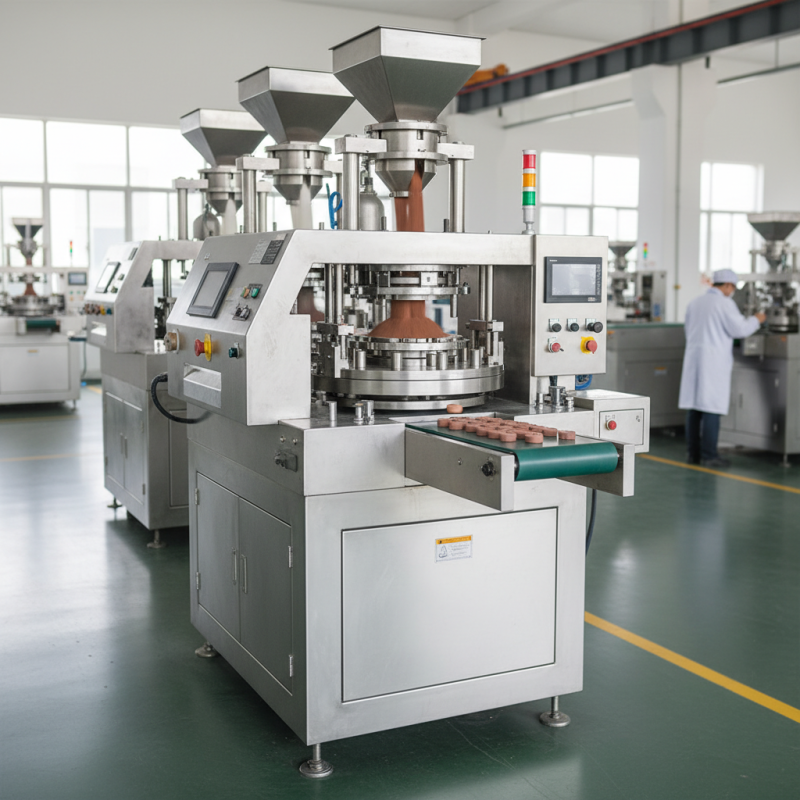
Understanding the Basics of 300-Type Rotary Powder Compacting Machines
The 300-Type Rotary Powder Compacting Machine is an essential tool in various industries. It is designed for efficiently compacting powders into solid forms. This machine operates using a rotary mechanism, enabling continuous production. The rotation greatly improves uniformity and consistency in the final products. This is crucial for industries that rely on precise measurements, like pharmaceuticals and material manufacturing.
When it comes to operation, understanding the machine's components is vital. The compacting chamber is where the magic happens. Here, the powder is subjected to controlled pressure and heat. These factors influence the density and durability of the compacted materials. However, users may face challenges with wear and tear in the machine over time. Regular maintenance is necessary to keep it running smoothly.
Moreover, operators must be vigilant about adjusting settings. Inconsistent results may arise from improper parameters. The balance between speed and pressure is delicate. Finding that sweet spot often requires experimentation. This machine, while effective, pushes users to refine their processes continually. It's a balance between efficiency and quality, where learning from imperfections can lead to better outputs.
Key Features and Specifications of Rotary Powder Compacting Machines
A 300-Type Rotary Powder Compacting Machine is essential in modern manufacturing processes. This machine excels in compacting powdered materials into dense, uniform shapes. A key feature is its high production capacity, making it suitable for large-scale operations. These machines often operate continuously, leading to time-efficient production cycles.
Its design includes a rotary die system, which allows for multiple cavities. This increases output without compromising quality. Operators appreciate the machine's adjustable pressure settings. This flexibility accommodates various materials and desired densities. The robustness of construction ensures durability, a necessary aspect for consistent performance over time.
Maintenance is sometimes challenging. Regular checks on wear components are essential. Understanding operational limits can enhance machine longevity. Training is important for staff to ensure safe and effective use. Recognizing these imperfections in usability can lead to better operational practices and enhancements in the future.
Applications of 300-Type Rotary Machines in Various Industries
The 300-Type Rotary Powder Compacting Machine has become vital across various industries, significantly impacting production efficiency. In pharmaceuticals, this machine streamlines the tablet manufacturing process, ensuring uniformity and precision. According to a report from the International Journal of Pharmaceutical Sciences, using rotary compactors can improve yield by up to 30%. This efficiency is crucial in meeting the high demand for consistent medicaments.
In the metal and ceramics industries, the 300-Type machine plays a similar role. Industries often face challenges such as material inconsistency and high waste rates. Studies from the Materials Science Journal reveal that rotary compacting can reduce material loss by nearly 25%, making it a cost-effective solution. The precise compaction process supports better density and strength of materials, addressing common issues in manufacturing.
Despite its advantages, there are areas needing reflection. Operational costs can rise with energy consumption during peak times. Additionally, machine maintenance is essential to avoid production halts. Industry professionals must balance these factors to maximize the benefits of the 300-Type machine while addressing its challenges.
What is a 300-Type Rotary Powder Compacting Machine? - Applications of 300-Type Rotary Machines in Various Industries
| Application Industry | Key Features | Benefits | Typical Materials Processed |
| Pharmaceutical | High precision and consistency | Enhanced tablet uniformity | Active pharmaceutical ingredients |
| Electronics | High-speed processing | Improved production efficiency | Ceramic powders, metal oxides |
| Aerospace | Complex geometries | Weight reduction in components | Titanium alloys, high-temperature ceramics |
| Automotive | Robust design for high pressures | Cost-effective mass production | Metal powders, composite materials |
| Construction | Versatile processing capabilities | Innovative building materials | Cement, sand, recycled materials |
Efficiency and Performance Metrics of the 300-Type Compacting Process
The 300-Type Rotary Powder Compacting Machine is known for its efficiency. It excels in producing compacted shapes from powdered materials. The process involves rotating dies and punches to compress powder uniformly. This leads to consistent density in the final products. Variable pressure settings enhance flexibility during operation.
Performance metrics of the 300-Type are impressive. Users often note the machine's rapid cycle times. However, achieving optimal results can be challenging. Operators may need time to adjust parameters for different materials. Consistency in powder feed is also crucial. Any variation can affect the quality of compaction.
While the 300-Type offers high throughput, not every aspect is perfect. Some operators face issues with tool wear. It's vital to regularly monitor the condition of the dies. Investing in maintenance can lead to long-term benefits. Users might reflect on how to minimize downtime. Overall, the balance between efficiency and performance is essential in optimizing the compacting process.
Comparative Analysis: 300-Type vs. Other Compacting Technologies
The 300-Type Rotary Powder Compacting Machine stands out in the realm of powder compacting technologies. Its design allows for enhanced efficiency, achieving compact densities that are crucial for various industrial applications. A comparative analysis reveals that this machine often achieves over 90% density, while alternative compacting methods like uniaxial pressing may only reach around 80%.
The technology employed in the 300-Type offers better homogeneity in compaction. Reports indicate a significant reduction in porosity, which is essential for achieving desired mechanical properties. However, the initial investment can be a barrier for some organizations. Many companies find it challenging to balance cost with long-term efficiency gains.
Tips: Assess your production needs before making a decision. Understanding the material properties helps determine suitable compacting technology. It's crucial to consider future production scalability as well. Always look for empirical data from industry reports when evaluating new technologies. This ensures informed choices that can impact bottom lines significantly.
Comparative Analysis of 300-Type Rotary Powder Compacting Machine vs. Other Compacting Technologies



 Close
Close