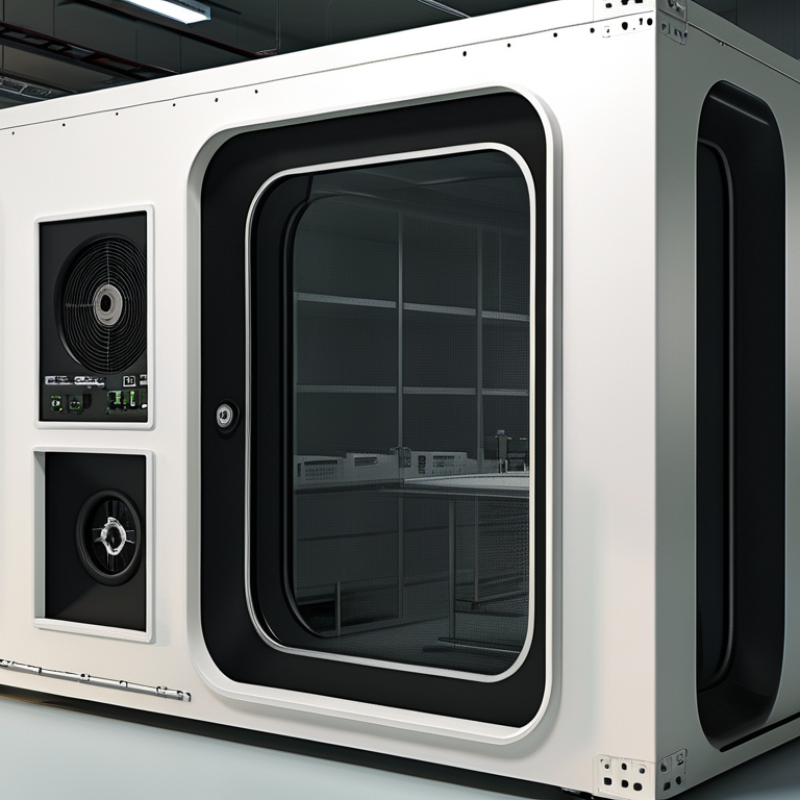
Choosing among the seven best biosafety isolators requires more than comparing enclosure size or airflow volume. Global buyers should review ISO 14644 cleanroom principles, applicable biosafety guidance, and local regulatory expectations. EN 12469 may support microbiological safety assessments, but it should not replace a documented risk evaluation.
Look closely at pressure control, HEPA filtration, glove integrity, interlock design, and alarm visibility. A practical isolator should show stable pressure on its display, even during glove movement. Doors should prevent unsafe simultaneous opening. Transfer chambers need verified decontamination cycles, not attractive screens. Safety depends on tested performance.
Validation should cover installation qualification, operational qualification, and performance qualification. Test records should include filter integrity, airflow patterns, pressure recovery, leak tightness, alarm response, and surface decontamination. Use calibrated instruments with traceable certificates. During commissioning, operators should repeat critical checks under realistic loading conditions.
Do not trust one successful test.
Routine monitoring matters. Define acceptance limits before testing, and document deviations without hiding inconvenient results. Some validation plans are too theoretical; they ignore awkward glove positions, frequent material transfers, or cleaning delays. Experienced teams challenge these assumptions. They also train users, review maintenance history, and reassess the isolator after process changes. A reliable purchase decision connects safety features, recognized standards, evidence-based validation, and the daily behavior of the people using the system.



 Close
Close