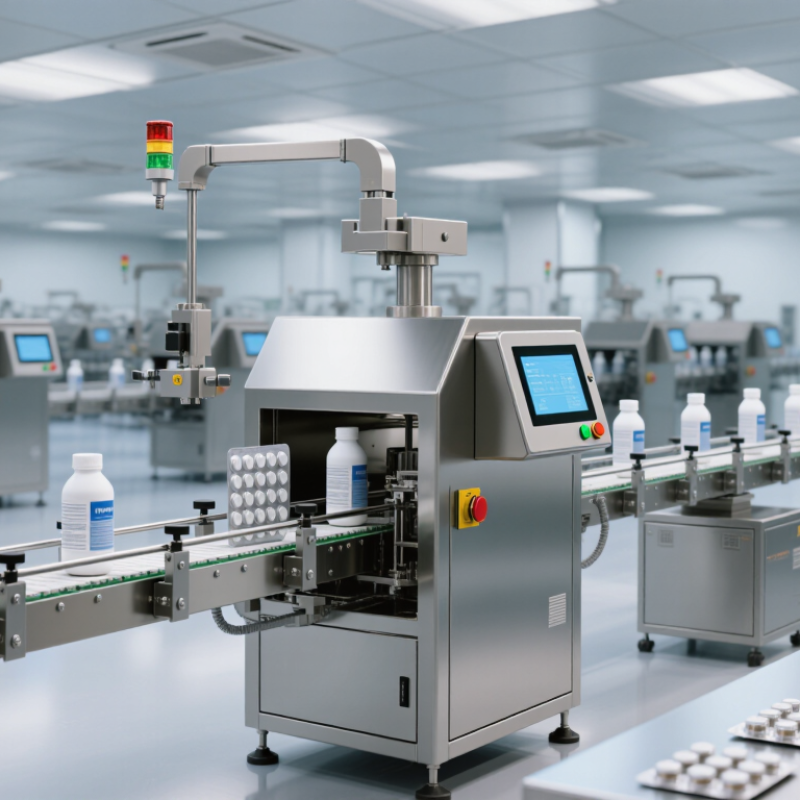
| 1. Bottled tablets and capsules | Capped bottles of tablets or capsules | In-line dynamic checkweigher for filled, closed bottles | Stable bottle handling, suitable weighing range, controlled spacing, and reliable rejection of out-of-limit containers | Coordinate with the filling and capping line. Define product-specific limits and verify performance with representative bottles. |
| 2. Blister packs and strip packs | Sealed, relatively light blister cards or strips | Sensitive, low-load conveyor checkweigher matched to the pack dimensions | Vibration control, consistent product transfer, appropriate belt width, and handling that avoids pack damage | Test with the actual pack format and line speed; small weight differences may require careful installation and process control. |
| 3. Sachets and powder packets | Flexible single-dose packets and small pouches | Compact checkweigher with a belt or guide system suited to flexible packs | Preventing packet overlap, controlling flutter, and maintaining repeatable presentation on the weighing conveyor | Confirm that seals and packet shape remain stable during conveyance; test multiple product and film combinations. |
| 4. Cartons and folding boxes | Cartons containing blister packs, bottles, leaflets, or combinations of components | Dynamic checkweigher positioned after cartoning and closure | Carton stability, conveyor support, product spacing, and limits that account for normal component-weight variation | Useful for identifying gross weight deviations; weight alone does not confirm the identity or presence of every component. |
| 5. Multi-lane packaging lines | Products discharged from parallel filling or packaging lanes | A checkweighing arrangement designed for the actual lane layout, such as individual lane units or a validated lane-merging system | Lane identification, controlled product spacing, clear reject routing, and prevention of product mix-ups | Assess each lane under normal operating conditions. Confirm that rejected units can be traced to the correct lane and batch records. |
| 6. Hygienic or washdown areas | Products and packages handled in areas with defined cleaning or washdown procedures | Checkweigher built with materials, enclosure protection, and conveyor components appropriate to the site’s cleaning method | Cleanability, drainage, corrosion resistance where required, and protection of weighing and electrical components | Match the equipment’s documented protection and cleaning instructions to the facility’s actual cleaning agents and procedures. |
| 7. Batch-recorded or regulated packaging lines | Finished packs weighed on lines requiring controlled settings and documented checks | Checkweigher with suitable access controls, configurable data capture, and interfaces compatible with the site system | Recipe control, clear alarm and reject handling, data review, and support for documented calibration and verification procedures | Assess electronic records and system controls against applicable regulations and company procedures; requirements depend on intended use and jurisdiction. |



 Close