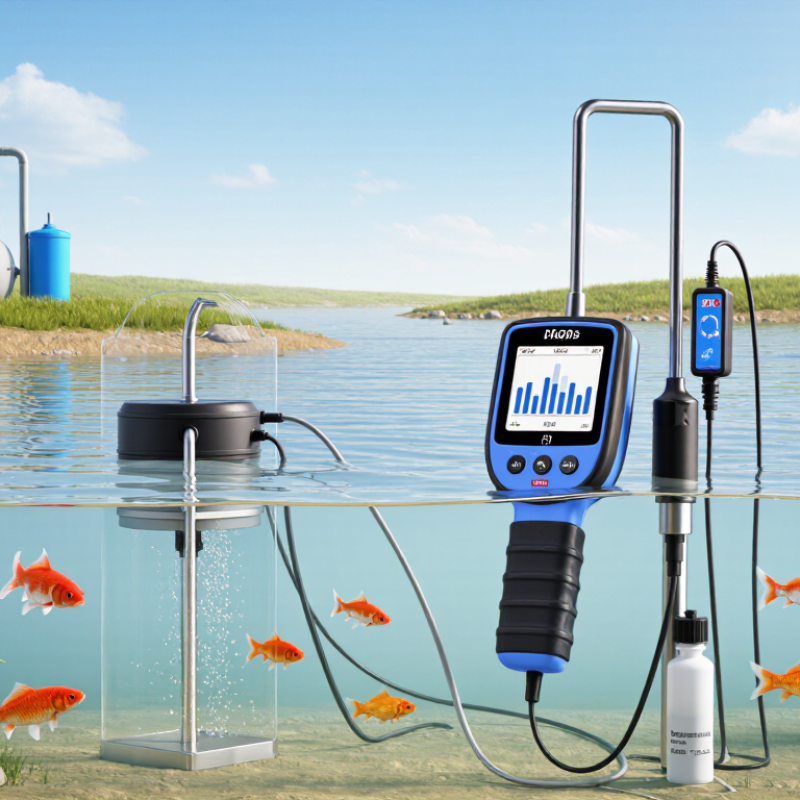
7 Tips to Choose the Best Water Oxygen Meter
Calibration deserves more attention than screen brightness.
Choose a meter supporting air-saturated water calibration and documented temperature compensation. ISO 5814:2012 describes electrochemical probe procedures for dissolved oxygen testing. EPA Method 360.1 also emphasizes proper calibration and sample handling.
Check whether the instrument records calibration time, temperature, salinity, and atmospheric pressure.
A stable reading matters more than a quick one.
I have learned that fast readings can still be wrong.
Durability begins with field details. Look for a sealed housing, replaceable sensor parts, protected cables, and clear battery warnings. An IP-rated enclosure helps during splashes, but it cannot excuse poor storage.
Ease of use means readable numbers in sunlight, one-handed operation, and simple data transfer.
The 2013–2014 U.S. EPA National Rivers and Streams Assessment found 46% of river and stream miles had poor biological condition.
Oxygen data alone cannot explain that result, but unreliable measurements can hide important changes.
Do not ignore response time. Nor maintenance.
A meter requiring frequent membrane replacement may reduce testing consistency, even when its specifications look impressive.
Choose a model that supports field verification, creates an audit trail, and remains dependable after repeated sampling.
That last judgment often comes from practice, not brochures.


 Close
Close