7 Tips for Choosing a Water Purification System?
Choosing a Water Purification System is not simply a matter of buying the most expensive filter. The right choice depends on your water source, household size, daily consumption, and local test results. Tap water may contain chlorine, sediment, lead, bacteria, or excessive minerals. Private well water can present different risks. Guesswork is risky.
Dr. Peter Gleick, co-founder of the Pacific Institute, has said, “Water is a human right, not a commodity.” His statement gives this decision a practical foundation. Safe water should be accessible, but the system must also match real household needs. A small carbon filter may improve taste and odor. Reverse osmosis can reduce many dissolved contaminants. Ultraviolet treatment may help control microorganisms, but it does not remove chemicals. No single method solves every problem.
This guide explains seven useful tips for choosing a Water Purification System. You will learn how to test your water, identify the contaminants that matter, and compare filtration methods honestly. Certification, replacement costs, flow rate, installation space, and maintenance deserve close attention. A system that sits unused under the sink is not effective. Neither is one with expensive cartridges nobody replaces.
I have seen buyers focus on glossy features and overlook water pressure. That is an easy mistake. Your household deserves clearer evidence, not clever marketing. Still, even professional recommendations can miss local conditions. Recheck your water report, ask qualified installers questions, and leave room for doubt before committing.
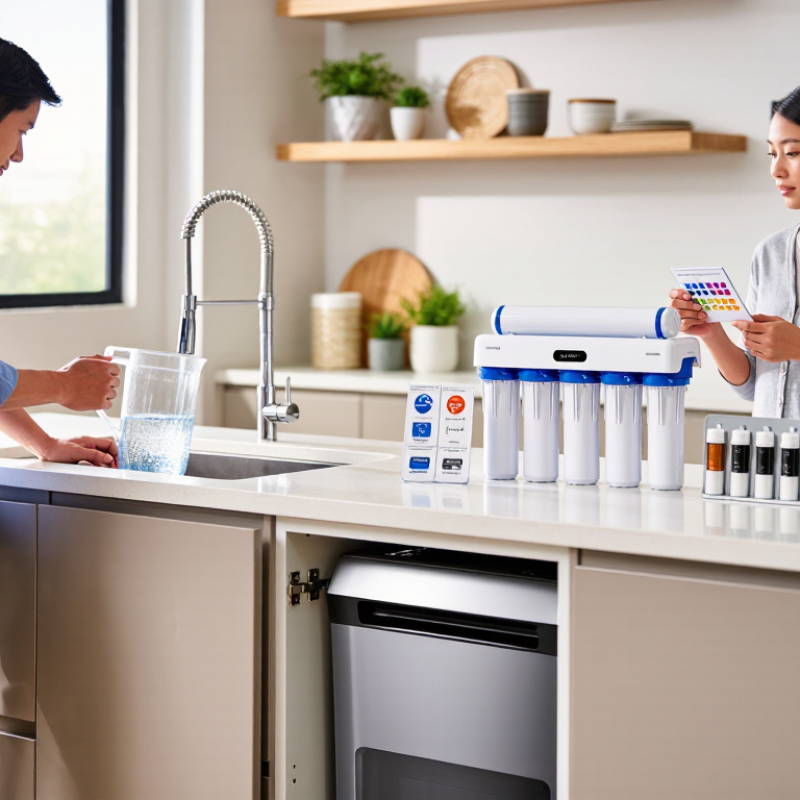
Understanding Your Water Quality and Purification Needs
7 Tips for Choosing a Water Purification System
Understanding Your Water Quality and Purification Needs
Choosing a purification system should begin with your water, not with a product label. Tap water can contain chlorine, sediment, minerals, bacteria, or unwanted metals. The exact risks depend on your location and supply source. Request a recent utility report, then arrange independent laboratory testing when concerns remain. Taste alone is not reliable evidence of safety.
Check how water enters your home. Private wells need regular testing, especially after flooding or nearby construction. Municipal supplies may still develop problems inside old plumbing. Test cold tap water after several hours of standing. This can reveal issues that a general report misses. Keep the results available when comparing treatment methods.
Match each contaminant to a verified reduction method. Sediment filters handle visible particles, while activated carbon can reduce chlorine and some odors. Membrane systems may reduce dissolved minerals, but they can waste water and require pressure. Ultraviolet treatment needs clear water and does not remove chemicals. Read performance data carefully. Certification matters, but it does not mean every contaminant is removed.
Think about daily use, household size, installation space, and maintenance skill. A system that needs forgotten filter changes may perform poorly over time. I once treated convenience as a minor detail. That was a mistake. Record replacement dates and inspect connections for leaks. Ask who will service the unit and how quickly parts are available. Fancy features can distract from a simple question: what does your water actually need?
7 Tips for Choosing a Water Purification System
Understanding Your Water Quality and Purification Needs
This chart shows selected World Health Organization guideline values for common drinking-water contaminants. The values are not a water-quality score: each contaminant has a different health basis and measurement range. Test your source water first, then choose a purification method designed for the contaminants identified.
Reference: World Health Organization, Guidelines for Drinking-water Quality, 4th edition incorporating addenda. Values are expressed in milligrams per litre (mg/L).
Comparing Different Types of Water Purification Systems
Choosing a water purification system starts with the water, not the cabinet. The WHO/UNICEF Joint Monitoring Programme reported that 2.2 billion people lacked safely managed drinking water in 2022. That figure makes testing more than a technical formality. Request a recent laboratory report. Check microbial, chemical, hardness, and sediment risks. Match treatment to a verified contaminant.
Compare activated carbon, reverse osmosis (RO), ultraviolet (UV), ultrafiltration, and distillation by purpose.
Carbon improves taste and reduces some chemicals. RO removes many dissolved solids but creates reject water. UV controls microbes, yet it does not remove metals. Distillation is thorough, though slow and energy intensive.
Inspect performance data, not advertising language. Look for independent certification and transparent test methods. NSF/ANSI standards can show what a device was evaluated to reduce, but certification remains contaminant-specific. Calculate water output, filter life, replacement costs, and electricity use. The U.S. EPA emphasizes regular maintenance for point-of-use systems. A neglected filter can become a weak link. Measure flow at the kitchen tap. One glass per minute may frustrate a busy household.
Check installation limits, pressure requirements, storage volume, and leak protection. Plan verification after installation, especially with private wells. The CDC recommends annual well-water testing for total coliform bacteria. Local hazards may require additional testing. My checklist is useful, but not flawless. Local geology can overturn a generic comparison. Keep the laboratory report beside the maintenance log. Record every cartridge change. Small details matter.
Checking Filtration Performance and Contaminant Removal
Choosing a water purification system starts with its actual filtration performance, not its appearance or marketing claims. I compare the system’s test data with my household’s water report. A clear glass is not evidence of safe water.
Look for the exact contaminants the filter removes, such as lead, chlorine, sediment, bacteria, or pesticide residues. “Reduces impurities” sounds reassuring, but it lacks useful detail. Reliable documentation should state removal percentages, test methods, laboratory conditions, and certification standards. Independent laboratory testing adds credibility, especially when results identify specific contaminants rather than making broad promises.
Flow rate and filter capacity also matter. A filter may remove contaminants effectively but produce only a thin stream. That becomes frustrating during cooking or busy mornings. Check how much water the cartridge can treat before replacement. Hard water can shorten that period. I once focused too heavily on removal ratings and underestimated maintenance costs. That was a mistake.
Match the system to the water source. Municipal water and private wells can present different risks. A laboratory water test can reveal problems that taste and smell cannot detect. Keep the report available when comparing products. Some systems need electricity, pressure, or professional installation. Their performance may change when filters become clogged or overdue for replacement. I still find manufacturer claims difficult to compare when testing conditions differ. Asking for complete reports is worth the extra effort.
Evaluating Installation, Maintenance, and Operating Costs
Choosing a water purification system requires more than comparing purchase prices. Request an itemized installation quote, including plumbing changes, electrical work, permits, and disposal fees. Check whether the system fits beneath your sink or needs a dedicated utility space. A cheaper unit can become expensive when installation surprises appear.
Maintenance deserves equal attention. Ask how often filters, membranes, seals, and ultraviolet lamps require replacement. The U.S. Environmental Protection Agency’s WaterSense program reports that household leaks can waste more than 10,000 gallons annually. A neglected filter may also reduce flow and encourage premature replacement. Keep a simple service log. It takes minutes. Compare replacement-part prices before buying, not after installation. I once focused too heavily on filtration performance and underestimated annual filter costs. That was a useful mistake.
Operating costs include water waste, electricity, and technician visits. The EPA notes that reverse-osmosis systems may discharge several gallons for each gallon treated, depending on design and efficiency. The U.S. Department of Energy’s Energy Saver guidance identifies water heating as roughly 18% of household energy use, so reducing unnecessary hot-water flow can matter. Request tested recovery and energy data, preferably under NSF/ANSI certification requirements. Calculate five-year ownership cost using local water, electricity, and labor rates. Leave a small contingency. Real households rarely follow ideal maintenance schedules.
Selecting a Reliable System for Long-Term Household Use
7 Tips for Choosing a Water Purification System?
Selecting a reliable system requires more than checking its price. The WHO and UNICEF Joint Monitoring Programme reported that 2.2 billion people lacked safely managed drinking water in 2022. Household water quality can also vary by building age, plumbing, and local supply conditions.
Tip 1: Test before buying.
A basic laboratory report can identify lead, bacteria, hardness, or unwanted chemicals. Choosing without testing is guesswork.
Tip 2: Match the technology to the contaminant.
Activated carbon can improve taste and reduce some chemicals, while ultraviolet treatment targets microorganisms. No single method removes everything.
Tip 3: Check independent certification against the claimed standard.
NSF/ANSI 42 generally covers aesthetic effects, while NSF/ANSI 53 addresses specific health-related contaminants. Certification must match the exact contaminant, not just the product category.
Long-term use depends heavily on maintenance. The U.S. Environmental Protection Agency advises following replacement schedules and manufacturer instructions for treatment devices.
Tip 4: Calculate yearly filter costs, not only the purchase price.
Tip 5: Confirm replacement availability in your area.
Tip 6: Measure the unit space under the sink before installation.
Tip 7: Check flow rate during peak use.
A system that purifies slowly may be ignored.
Keep a written replacement date near the filter. Small details matter.
Still, no household plan is perfect; usage changes, and neglected maintenance can defeat excellent equipment.
Davis, S. and others, “Guidelines for Drinking-water Quality,” WHO; EPA household water treatment guidance.



 Close
Close 
