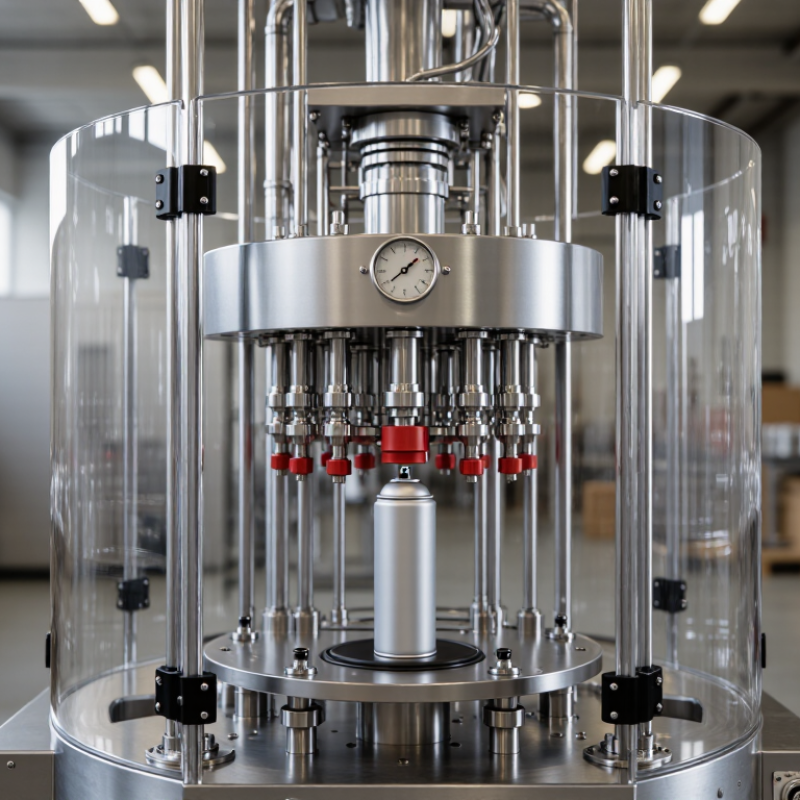
An aerosol filling system is a coordinated line, not one machine. A can feeder places empty containers upright and spaces them for filling. The product filler meters liquid or cream into each can; its nozzles must suit the product’s flow and foaming behavior. A valve feeder positions each valve, and a crimper presses it into the can opening.
Small parts matter. A poor crimp can cause leaks or inconsistent filling.
Next, a propellant charging station introduces gas through the valve, followed by checks for fill weight and leaks. Some lines add an actuator and cap, then route cans through a conveyor for inspection or packing. FEA’s 2023 European aerosol production statistics report more than five billion units produced in the region, illustrating the scale that filling equipment may need to support. That figure does not describe any one line’s speed or performance.
Changeovers can also take longer than a layout suggests, especially when can sizes or valve parts vary. Not always. Operators should verify settings, guards, and inspection results during production, rather than trusting a machine’s display alone. A tidy control panel is useful, but it cannot reveal every handling issue.



 Close