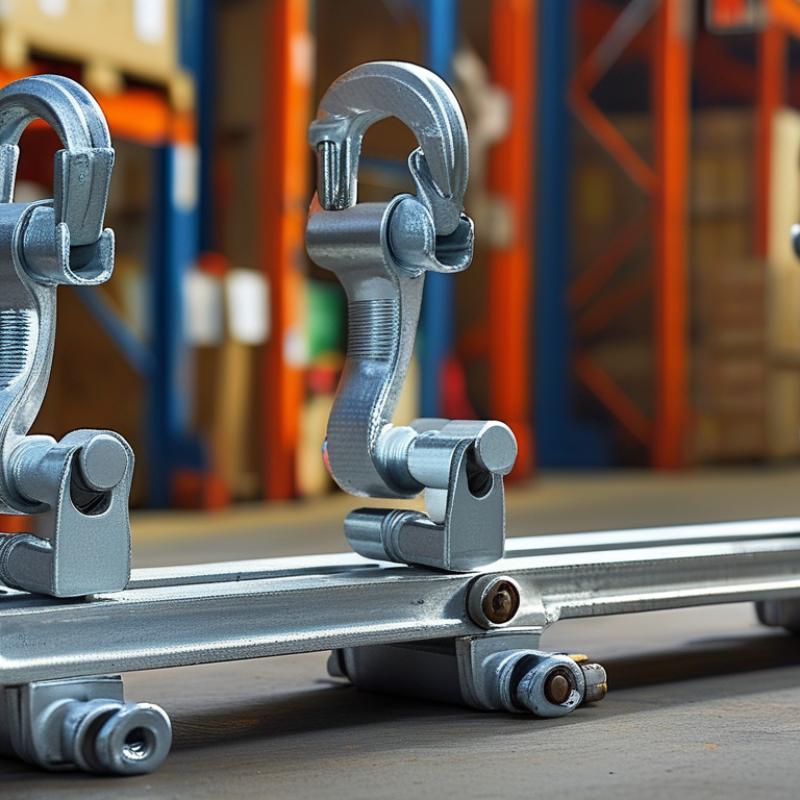
Aluminum Clamp for Truck How to Choose the Best Options?
Choosing the right aluminum clamp for truck applications can be challenging. With a wide variety of options available, it is crucial to know what to look for. Aluminum clamps are lightweight yet durable, making them ideal for securing loads.
When selecting an aluminum clamp for truck use, consider the weight capacity. A poorly chosen clamp may lead to cargo loss or damage. Additionally, pay attention to the design. A well-designed clamp will ensure a better fit. Look for clamps that offer easy installation features, as this can save you time and effort during loading.
Finally, quality matters. Not all aluminum clamps are created equal. Some may corrode or fail under stress. Research reputable brands to avoid potential issues. Investing in a reliable aluminum clamp for truck applications not only protects your cargo but also enhances safety on the road.
Understanding the Purpose of Aluminum Clamps for Trucks
Aluminum clamps for trucks serve a crucial purpose in securing loads during transport. They ensure that materials are held tightly in place, minimizing the risk of shifting. This is especially important when carrying fragile or hazardous items, where stability is essential. Selecting the right type of aluminum clamp can significantly impact the safety of your cargo and the efficiency of your deliveries.
When evaluating clamps, consider their weight capacity and design. Different clamps offer varying levels of strength, and a mismatch can lead to accidents. Look for clamps that have a secure grip and are easy to use under pressure. Often, users find that a poorly chosen clamp can lead to frustration during loading or unloading, which can offset any time savings achieved during transport.
Weather resistance is another factor that should not be overlooked. Aluminum clamps can corrode or weaken over time if exposed to harsh elements. It’s valuable to know that regular inspections and maintenance can extend their lifespan. Ignoring these factors can lead to costly mistakes down the line, as well as added stress when using your truck for hauls.
Key Factors to Consider When Choosing Aluminum Clamps
When selecting aluminum clamps for trucks, several key factors must be considered. The strength of the clamp is paramount. A severe load can easily exceed the clamps' capacity. According to a study by the Automotive Industry Association, the tensile strength of aluminum clamps can vary significantly, ranging from 200 MPa to 300 MPa. Always ensure that the clamp’s specifications match the truck's load requirements.
Another important consideration is the clamp's corrosion resistance. Trucks often face harsh weather conditions. Using clamps with a durable anodized finish can prolong their lifespan and maintain effectiveness. A recent industry report suggests that anodizing aluminum increases its resistance to oxidation by up to 25%. This improvement enhances reliability in various environmental conditions.
Clamping design is also crucial. Different applications require different designs. Some clamps provide secure fastening, while others allow for quick adjustments. Assessing the truck’s operational needs will guide the best design choice. Consider ease of use versus secure locking mechanisms. Sometimes, a mechanism that is easier to use may lack optimal locking features, leading to potential safety risks.
Understanding these factors can empower users to make informed decisions. Knowledge of material properties and design functionalities will lead to better choices in aluminum clamps.
Different Types of Aluminum Clamps Available in the Market
When selecting the right aluminum clamp for trucks, it's crucial to understand the different types available. In the market, you can find several styles, including U-bolt clamps, saddle clamps, and V-band clamps. Each type serves specific purposes and fits various applications. U-bolt clamps are versatile and frequently used in securing pipes, making them ideal for exhaust systems. Saddle clamps offer a more stable grip for larger diameters, perfect for critical loads. V-band clamps provide a quick-release option, which is beneficial for maintenance.
Data from industry sources reveals that aluminum clamps are gaining popularity due to their lightweight and corrosion-resistant properties. Studies indicate that aluminum offers a 30% weight reduction compared to steel clamps. The high strength-to-weight ratio of aluminum enhances fuel efficiency for trucks. However, it's important to note that not all aluminum clamps are created equal. Some may lack the necessary durability for heavy-duty applications. A thorough evaluation of load ratings and material specifications is essential. Ignoring these details can lead to potential failures under high stress.
It's also worth considering the environment in which the clamps will be used. For example, exposure to saltwater can accelerate corrosion in certain aluminum grades. Thus, selecting a clamp with the appropriate coating becomes crucial. This decision impacts not just the clamp's lifespan but also the overall safety of the cargo. Understanding these variations ensures you make a more informed choice when outfitting your truck.
Aluminum Clamp Comparison: Different Types and Their Features
How to Assess the Quality and Durability of Aluminum Clamps
When selecting an aluminum clamp for trucks, assessing quality and durability is paramount. Look for clamps that meet industry standards, such as those defined by ASTM (American Society for Testing and Materials). A recent report indicated that clamps made from high-grade aluminum alloy exhibit superior tensile strength, often exceeding 300 MPa. This measurement ensures that the clamps can withstand high loads without deformation.
Durability is another critical factor. Clamps should feature corrosion-resistant coatings. A study highlighted that aluminum clamps with anodized finishes showed a 50% increase in lifespan compared to their non-anodized counterparts. Such finishes protect against environmental factors that trucks often encounter, such as moisture and road salt.
Evaluate the design specifics as well. Lightweight clamps outperform heavier alternatives in both performance and ease of handling. However, some lightweight options may compromise strength. It’s essential to find a balance. Test clamps under real conditions to identify any weaknesses or failures. This approach allows for a better understanding of product longevity and reliability.
Aluminum Clamp for Truck: How to Choose the Best Options?
| Feature | Description | Quality Rating | Durability Rating |
| Material Type | Aircraft-grade aluminum | 9/10 | 9/10 |
| Weight Capacity | Up to 1000 lbs | 8/10 | 8/10 |
| Corrosion Resistance | Anodized finish | 10/10 | 10/10 |
| Compatibility | Universal fit for most truck models | 9/10 | 9/10 |
| Ease of Installation | Simple bolt-on design | 9/10 | 9/10 |
Tips for Installing and Maintaining Your Aluminum Clamps
Installing aluminum clamps correctly is crucial for their effectiveness and longevity. Ensure you have the right tools on hand like a torque wrench and socket set. Begin by cleaning the mounting surfaces thoroughly. Dirt or rust can prevent a secure fit. Position the clamp where it will be installed, ensuring it aligns with the truck's structure. Tighten the bolts evenly to avoid misalignment. Over-tightening can lead to damage, while under-tightening may cause slippage.
Regular maintenance is key to maximizing the lifespan of your clamps. Inspect them routinely for signs of wear or corrosion. Pay attention to any loose bolts. A quick twist can help reinforce the clamp without much effort. If you notice significant wear, consider replacing the clamp promptly to maintain safety. Use a protective coating to minimize rust formation, especially in harsh weather. Reflecting on these practices can lead to a more effective and reliable installation experience.



 Close
Close