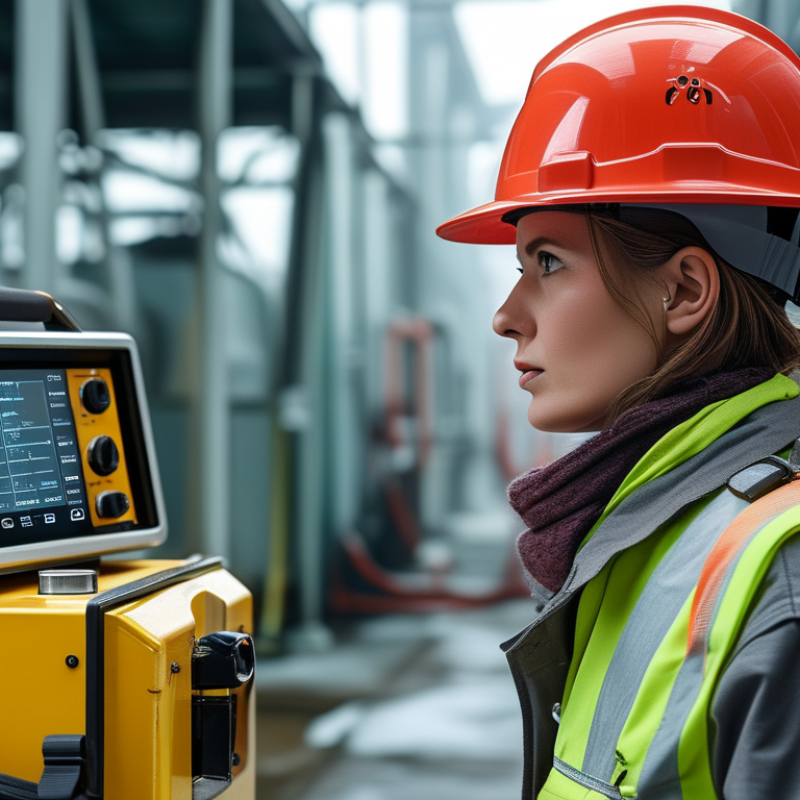
What is an Ammonia Gas Monitor and Why Do You Need One?
An Ammonia Gas Monitor is essential for ensuring safety in various industries. Dr. Emily Thompson, an expert in air quality monitoring, emphasizes, "Early detection can save lives." In workplaces where ammonia is present, a monitor provides critical data.
These devices alert us to harmful gas levels. Regular exposure to ammonia can cause serious health issues. The monitor acts as a first line of defense. Proper installation and maintenance are vital for accuracy. Many companies overlook this, risking employee safety.
While technology has advanced, it’s crucial to regularly check the monitor's functionality. Users often find themselves relying on outdated equipment. This can lead to dangerous situations. Investing in a reliable ammonia gas monitor ensures a safer work environment. Amidst the complexities of gas detection, vigilance remains imperative.
What is Ammonia Gas and Its Properties
Ammonia gas is a colorless and pungent substance. It is widely recognized for its sharp, irritating odor. With a chemical formula of NH3, ammonia is composed of nitrogen and hydrogen. It is lighter than air and highly soluble in water. These properties make ammonia valuable in various industries, including agriculture and refrigeration.
However, ammonia can also be hazardous. High concentrations can lead to respiratory issues and chemical burns. Awareness of its properties is crucial for safety. Many industries rely on ammonia for processes, which raises concerns about potential leaks. Proper monitoring becomes essential. You can significantly reduce health risks with an ammonia gas monitor.
Understanding ammonia's characteristics helps in identifying risks. High levels can happen unexpectedly in confined areas. Regular equipment checks are necessary for prevention. Reliable gas monitors provide real-time data. A swift response to ammonia exposure can make a difference in an emergency. It is vital to prioritize safety in environments where ammonia is present.
Understanding the Importance of Ammonia Gas Monitoring
Ammonia gas monitoring is crucial in various industries. Ammonia is widely used, but it can pose significant health risks. Exposure to high levels can cause respiratory issues and other serious health concerns. Effective monitoring helps detect leaks before they reach hazardous levels.
Understanding the importance of ammonia gas monitoring involves recognizing workplace safety. Regular checks allow for early detection of gas leaks. This can prevent accidents and protect employees. Having an ammonia gas monitor ensures a safer working environment. More importantly, it can save lives.
To implement effective monitoring, consider regular maintenance and calibration of your equipment. Relying on outdated technology can lead to errors. Training staff on proper usage enhances reliability. Small errors in monitoring can lead to major safety concerns. Continuous improvement in monitoring practices is essential for overall safety.
Ammonia Gas Levels Monitoring
Monitoring ammonia gas levels is crucial for ensuring safety in environments where ammonia is used. The data shown represents ammonia concentrations measured over six weeks. Regular monitoring can help prevent health risks and ensure compliance with safety regulations.
How Ammonia Gas Monitors Work
Ammonia gas monitors are vital in various industrial settings, especially where ammonia is used. These monitors detect ammonia levels in real-time, ensuring safety for workers and the environment. A recent study indicated that exposure to ammonia concentrations above 25 ppm can cause respiratory problems. Therefore, continuous monitoring is essential in facilities such as refrigeration plants and agricultural operations.
The technology behind ammonia gas monitors varies. Commonly used sensors include electrochemical and catalytic sensors. Electrochemical sensors detect ammonia by exposing it to an electrolyte, producing a measurable electrical current. Catalytic sensors, on the other hand, rely on chemical reactions to trigger alerts. These devices can significantly reduce risks associated with ammonia leaks by providing instant feedback when ammonia levels rise. According to the National Institute for Occupational Safety and Health, nearly 27,000 workers are exposed to ammonia annually in the United States.
Understanding how these monitors function is crucial for effective implementation. Calibration and maintenance are often overlooked aspects, but they are essential for accurate readings. Improperly calibrated devices can lead to false alarms or worse, missed detections. Safety protocols should include regular maintenance checks to ensure reliability. Workers must also be trained to interpret monitor data properly for optimum safety. This preventive approach not only safeguards health but also limits potential accidents in ammonia-reliant industries.
What is an Ammonia Gas Monitor and Why Do You Need One? - How Ammonia Gas Monitors Work
| Feature | Description | Importance | Typical Application |
| Detection Range | 0-100 ppm to 0-1000 ppm depending on model | Ensures user safety by maintaining ammonia levels below permissible limits | Industrial refrigeration systems |
| Alarm System | Audible and visual alarms that activate at set concentrations | Immediate alert to hazardous conditions | Chemical processing plants |
| Calibration | Regular calibration needed to ensure accuracy | Maintains reliability of readings | Laboratories |
| Power Source | Battery-operated or wired options available | Flexibility for different installation settings | Agricultural facilities |
| Response Time | Typically ranges from 10 to 30 seconds | Crucial for timely intervention in emergency situations | Wastewater treatment plants |
Key Features to Look for in an Ammonia Gas Monitor
When considering an ammonia gas monitor, key features are essential. First, portability is critical. You want a lightweight device that is easy to move. A portable monitor can be used in various locations, ensuring continuous safety checks.
Detection sensitivity is another vital factor. A good monitor detects even trace levels of ammonia. This capability is crucial for early intervention and maintaining a safe environment. Additionally, response time matters. A monitor should provide real-time readings to alert users promptly.
User-friendly interfaces enhance accessibility. Clear displays and straightforward operation allow quick understanding and action. Battery life is also a concern. A reliable monitor must last long without frequent charging. Regular maintenance checks are necessary for optimal performance. These characteristics ensure safety and build confidence in the monitoring process.
Applications and Benefits of Using Ammonia Gas Monitors
Ammonia gas monitors are essential tools in various industrial settings. These devices detect ammonia levels in the air. They help ensure workplace safety by preventing exposure to toxic ammonia concentrations. Such exposure can lead to serious health issues. In agricultural environments, ammonia monitors are critical. They protect farmers and livestock from harmful levels of this gas.
The benefits of using ammonia gas monitors extend beyond safety. These devices can enhance operational efficiency. By maintaining optimal ammonia levels, facilities reduce the risk of equipment corrosion. This can lead to lower maintenance costs over time. Additionally, ammonia monitors provide real-time data. This data helps managers make informed decisions quickly. Monitoring also ensures compliance with health regulations.
However, relying solely on technology can be risky. Periodic manual checks are necessary for accuracy. Users should regularly calibrate their monitors. This step is vital for reliable readings. Training on proper use is also crucial. It ensures that staff members can respond effectively to alarms. By blending technology with human oversight, the safety of workplaces can be significantly improved.



 Close
Close