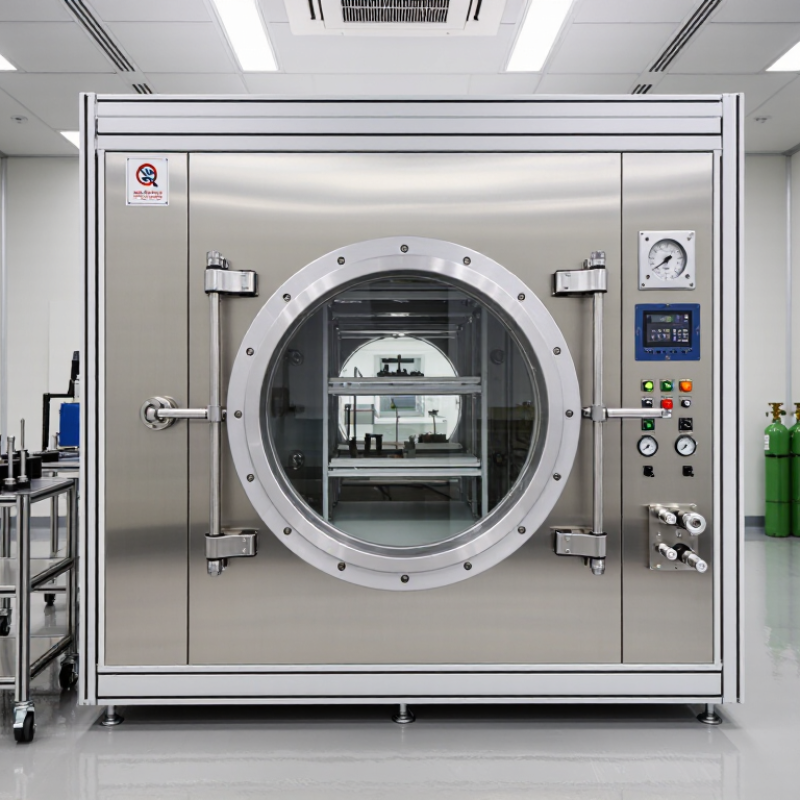
Barometric chambers create controlled pressure conditions for testing, calibration, or training. Common types include altitude chambers, pressure-calibration chambers, and environmental chambers that combine low pressure with temperature changes. Aerospace teams use altitude chambers to assess equipment and simulate reduced-pressure conditions. Electronics and packaging manufacturers test whether products, seals, and enclosures perform reliably when pressure changes. Calibration chambers help technicians check pressure sensors against a controlled reference.
The U.S. Standard Atmosphere, 1976, published by NOAA, NASA, and the U.S. Air Force, gives standard pressure at 10 kilometres as about 26.5 kPa, compared with 101.3 kPa at sea level. That difference shows why a chamber’s operating range matters. Small details matter. A chamber designed for altitude simulation may not suit precision sensor calibration. When looking for one for sale, check usable volume, pressure range, control accuracy, temperature capability, calibration records, and service history. Ask for recent test data, not just a brochure.
Tips: Match the chamber to the test protocol and the size of the items being tested. Request a demonstration at your target pressure, and confirm how quickly the unit reaches and holds that setpoint. I’d also inspect door seals and controller logs; wear can be easy to miss in photos.



 Close