Top 5 Benefits of Aeration Process in Wastewater Treatment?
In the realm of wastewater treatment, the Aeration Process In Wastewater Treatment stands out as a crucial step. Dr. Emily Whitman, a leading expert in environmental engineering, emphasizes, "Aeration is vital for breaking down organic matter effectively." Her insight highlights the importance of this process in enhancing treatment efficiency.
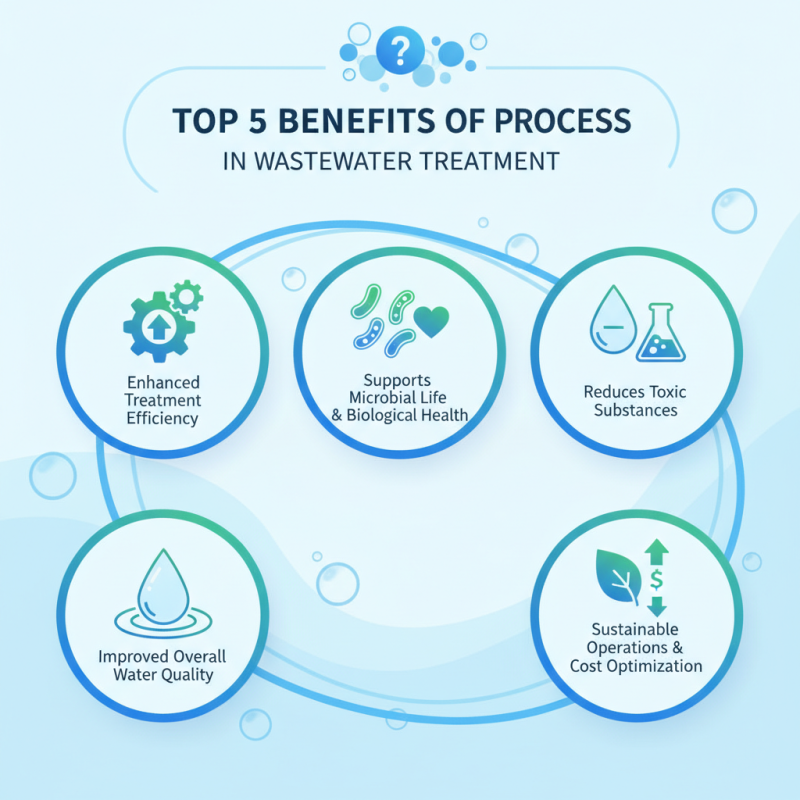
Aeration plays a significant role in maintaining the biological health of treatment systems. By introducing air into wastewater, it supports microbial life, which is essential for decomposition. This process helps in reducing toxic substances and improving overall water quality. However, the implementation of aeration must be finely tuned. Over-aeration can lead to energy wastage and unnecessary costs.
Additionally, the Aeration Process In Wastewater Treatment involves balancing the need for oxygen with effectiveness. The challenge lies in optimizing the aeration rate without overshooting resource usage. Understanding these nuances is essential for wastewater treatment facilities aiming for sustainable operations. This reflects the complexity and necessity of the aeration process, making it a topic worth deeper exploration.
Overview of Wastewater Treatment Processes
The wastewater treatment process involves several critical steps to ensure clean water is returned to the environment. Aeration is one of the most effective methods used in this process. It enhances the natural breakdown of organic materials by promoting microbial activity. According to the U.S. Environmental Protection Agency, effective aeration can reduce biochemical oxygen demand (BOD) levels by up to 85%. This reduction is essential for maintaining water quality.
Aeration provides oxygen to bacteria in the wastewater, allowing them to thrive and decompose contaminants. This method can significantly improve the oxidation of pollutants. Studies indicate that properly aerated systems can achieve 30% better removal of total suspended solids compared to non-aerated methods. However, the management of aeration can be challenging. Balancing oxygen levels requires constant monitoring. Over-aeration can lead to increased operational costs while under-aeration could hinder the treatment process.
Effective wastewater treatment is vital for public health and environmental sustainability. According to a report by the Water Environment Federation, approximately 19% of treated wastewater is recycled for non-potable uses. This statistic highlights the importance of efficient processes like aeration. While aeration is beneficial, it's crucial to address its limitations. Continuous improvement in monitoring technologies is needed to enhance the aeration process effectiveness.
Top 5 Benefits of Aeration Process in Wastewater Treatment
| Benefit | Description | Impact |
| Improved Oxygenation | Aeration introduces oxygen into the wastewater, promoting the growth of beneficial aerobic microorganisms. | Enhances the biodegradation of organic matter, leading to better treatment efficiency. |
| Reduction in Sludge Volume | Aeration helps in the stabilization of sludge, reducing the overall volume that needs to be managed. | Decreases waste handling costs and space requirements for sludge disposal. |
| Enhanced Treatment Efficiency | The aeration process significantly improves the removal rates of pollutants. | Ensures compliance with environmental discharge regulations. |
| Reduction of Odors | Aeration controls unpleasant odors by promoting aerobic over anaerobic conditions. | Improves the surrounding community's quality of life and environmental conditions. |
| Cost-Effectiveness | Aeration systems can be designed efficiently to minimize operating and maintenance costs. | Long-term savings for wastewater treatment facilities. |
Understanding the Aeration Process in Wastewater Treatment
Aeration in wastewater treatment is a crucial process. It enhances the breakdown of organic pollutants. Microorganisms thrive on the oxygen supplied during aeration, which promotes effective biotreatment. Data shows that aeration can reduce Biological Oxygen Demand (BOD) by up to 90%. This is significant for maintaining water quality.
The process involves both physical and biological mechanisms. Bubble aeration systems and surface aerators are common methods. Each method has its pros and cons. For instance, bubble aeration is efficient but can be energy-intensive. Conversely, surface aerators require less energy but may not mix as effectively. A 2020 study reported that optimizing aeration can reduce energy usage by 30%.
However, aeration isn’t just straightforward. Over-aeration can lead to excessive foam and equipment wear. Proper monitoring is essential. Some facilities struggle with maintaining optimal oxygen levels. This highlights the importance of continuous research in aeration technologies. The industry must balance efficiency with environmental concerns.
Key Benefits of Aeration for Biological Treatment
Aeration is a crucial process in wastewater treatment, especially for biological treatment methods. It promotes the growth of microorganisms that decompose organic matter. This enhances the breakdown of pollutants, leading to cleaner water. Increased oxygen levels are essential for aerobic bacteria. These bacteria thrive in well-aerated environments.
A well-executed aeration process improves overall system efficiency. By providing the right conditions, you can ensure a stable biofilm formation. This biofilm helps in more effective waste degradation. A consistent supply of air can also lower odors, making treatment facilities more pleasant.
**Tips:** Regularly monitor oxygen levels to ensure optimal conditions. Adjust aeration rates based on biological activity. Keep in mind, too much aeration can disrupt the settling of solids. Finding the right balance is key for success. Remember, mistakes can serve as learning opportunities. Reflecting on past issues can lead to improvements in your process. Continuous evaluation will help refine your approach.
Improving Efficiencies in Nutrient Removal through Aeration
Aeration processes play a crucial role in enhancing nutrient removal efficiency in wastewater treatment. By introducing air into the water, these processes promote the growth of beneficial microorganisms. These microorganisms break down organic matter and remove nitrogen and phosphorus effectively. Studies indicate that aeration can improve nutrient removal by as much as 30% in certain systems. This increase is vital for reducing pollutants in discharged water.
Moreover, maintaining optimal oxygen levels is essential for aerobic bacteria. These bacteria thrive in well-oxygenated environments, allowing them to decompose waste rapidly. An aeration system's design can significantly impact its efficiency. For instance, improper aeration may lead to wasted energy expenditure and reduced treatment performance. Research suggests that fine bubble aeration systems have higher overall efficiency than traditional methods. They can achieve a superior oxygen transfer rate, significantly improving nutrient removal capabilities.
However, challenges remain. Inconsistent oxygen levels may inhibit microbial growth, leading to inefficient nutrient removal. Regular monitoring and maintenance are critical to address these issues effectively. Some industries overlook the importance of proper aeration, resulting in higher treatment costs and regulatory compliance risks. Continuous education and technology advancement in aeration processes can lead to better practices. Investing in these areas is essential for improved wastewater management and environmental preservation.
Long-Term Environmental Impact of Aeration in Wastewater Management
Aeration in wastewater treatment plays a vital role in reducing environmental impact. The aeration process increases oxygen levels, enabling beneficial bacteria to break down pollutants. According to the U.S. Environmental Protection Agency (EPA), effective aeration can reduce biochemical oxygen demand (BOD) by up to 95%. This significant reduction supports healthier aquatic ecosystems.
Long-term implementation of aeration techniques contributes to sustainable wastewater management. A study published by the International Water Association indicates that well-aerated treatment systems decrease greenhouse gas emissions by about 30%. This reduction is essential for combating climate change. Aeration processes also improve nutrient removal, which directly impacts water quality in nearby ecosystems. Proper nutrient management prevents harmful algal blooms, which can disrupt local aquatic life.
However, challenges remain. Aeration can increase energy consumption and operational costs. The balance between efficiency and ecological benefits must be carefully managed. Facilities need to assess their aeration strategies continually. Monitoring systems can help in evaluating the effectiveness and environmental impact of aeration processes in real-time. This approach is key to achieving sustainable outcomes in wastewater treatment.



 Close
Close 
