Discover the Benefits of Cast Nylon Pipe for Global Buyers
In the competitive landscape of piping solutions, "Cast Nylon Pipe" stands out for its unique advantages. According to industry expert Dr. Emily Chen, "The durability and versatility of Cast Nylon Pipe make it an excellent choice for global applications." This statement resonates with buyers looking for reliable materials that can endure harsh conditions.
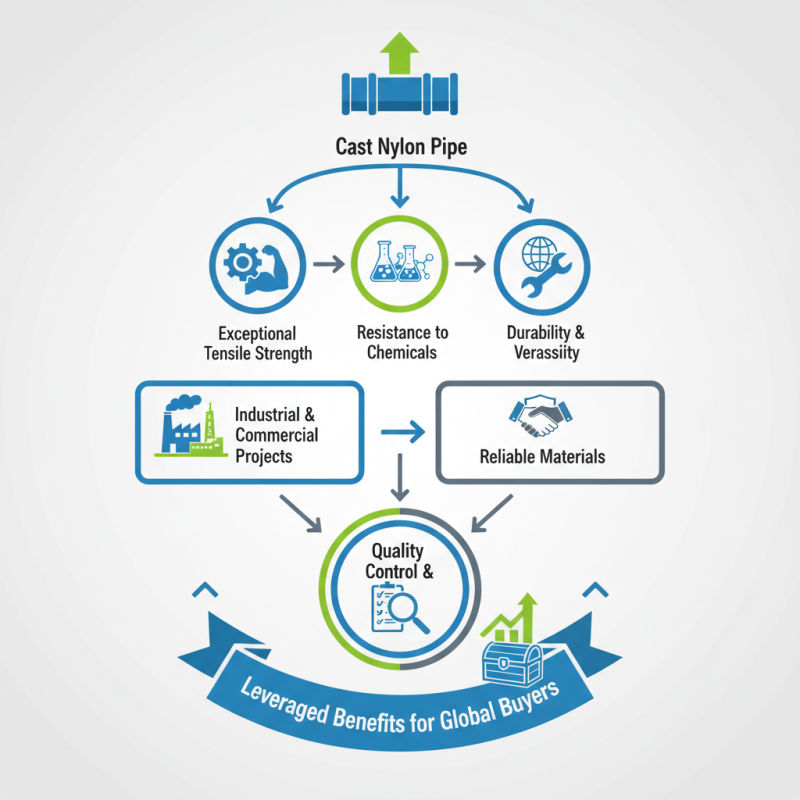
Cast Nylon Pipe is known for its exceptional tensile strength and resistance to chemicals. These features ensure that it maintains integrity in various environments. Global buyers are increasingly recognizing the benefits it offers for both industrial and commercial projects. However, it is essential to consider the sourcing and quality of materials when selecting suppliers.
Quality control remains an area needing reflection. Not all manufacturers provide the same standards. Potential buyers should prioritize partners with proven track records. By focusing on expertise and reliability, businesses can leverage the benefits of Cast Nylon Pipe effectively.
Understanding Cast Nylon Pipe: An Overview
Cast nylon pipe is gaining traction in various industries due to its unique properties. Manufactured from high-quality polyamide, it offers excellent strength and durability. A recent report highlights that this material boasts a tensile strength of up to 80 MPa. Such strength makes it ideal for demanding applications, including automotive and industrial machinery.
In addition to strength, cast nylon has remarkable wear resistance. It can withstand abrasive environments, significantly reducing maintenance costs. Studies indicate that wear rates can be decreased by up to 50% when using cast nylon over traditional materials. However, it is essential to acknowledge that while cast nylon's benefits are substantial, challenges exist in terms of temperature limitations. It performs well up to around 100°C, beyond which its properties may degrade.
Furthermore, cast nylon's versatility allows for various manufacturing methods. It can be cast, machined, or fabricated to meet specific needs. However, it requires careful handling during production. Improper techniques can lead to defects, affecting performance. Recognizing the balance between the advantages and potential pitfalls is crucial for buyers considering cast nylon pipe. As the demand for reliable materials grows, understanding these factors can guide purchasers in making informed decisions.
Key Advantages of Cast Nylon Pipe in Various Industries
Cast nylon pipe has emerged as a valuable material in various industries. Its durability and resistance to wear make it preferable for applications requiring high performance. According to a recent market analysis, the global cast nylon market is expected to grow at a compound annual growth rate (CAGR) of 5.6% through 2027. This growth reflects its increasing adoption across diverse sectors.
In manufacturing, cast nylon pipe delivers exceptional performance. It withstands extreme temperatures and harsh chemicals, making it reliable for multiple uses. Industries such as automotive and aerospace often utilize this material due to its lightweight nature. A report from a leading industry association highlights that cast nylon can reduce weight by up to 30% compared to metals, enhancing fuel efficiency in vehicles.
However, despite its benefits, some challenges exist. For instance, cast nylon can be more expensive than traditional materials. This raises questions about cost-effectiveness in large-scale projects. Additionally, it requires proper handling during installation to avoid damage. These factors necessitate a thorough evaluation of cast nylon’s role in specific applications, ensuring that its advantages outweigh potential drawbacks.
Benefits of Cast Nylon Pipe Across Various Industries
Comparative Analysis: Cast Nylon Pipe vs. Traditional Materials
Cast nylon pipe is gaining traction in various industries, offering numerous advantages over traditional materials like metal and PVC. A recent market analysis shows that cast nylon exhibits a higher impact strength, with figures indicating a 10 to 15% superiority over metal at similar weights. This exceptional resilience makes it a preferred choice for applications requiring durability and resistance to harsh environments.
Moreover, cast nylon pipes possess remarkable chemical resistance. Data reveals that they can withstand a wide range of chemicals, making them suitable for industrial processes. In contrast, traditional materials often fail against aggressive substances, necessitating frequent replacements and increasing cost. A study highlighted that cast nylon’s lower coefficient of friction results in enhanced flow rates, potentially improving operational efficiency by 20%.
However, transitioning to cast nylon is not without its challenges. Initial procurement costs may be higher than traditional materials. Companies must evaluate the long-term benefits to justify this investment. Testing and research must accompany decisions, ensuring that the suitability of cast nylon meets specific operational demands. An honest assessment of application requirements is crucial before making the switch.
Global Market Trends and Demand for Cast Nylon Pipe
The global market for cast nylon pipe is experiencing notable growth. This material is becoming increasingly popular due to its unique properties. Cast nylon pipes are lightweight, durable, and offer excellent chemical resistance. They can withstand harsh environments, making them ideal for various applications.
Trends show a rising demand in sectors like construction and automotive. Manufacturers appreciate the flexibility of cast nylon pipes. As construction projects expand, the need for reliable piping solutions grows. Companies are looking for materials that can offer longevity and performance. These factors contribute to the ongoing interest in cast nylon.
Tip: When selecting cast nylon pipe, ensure it meets the specific chemical and temperature requirements of your project.
Another trend is the shift towards sustainable materials. Buyers are now more aware of environmental impacts. They prefer materials that are recyclable or have a lower carbon footprint. Cast nylon pipes can often be produced with recycled content, appealing to eco-conscious buyers.
Tip: Research suppliers to find those committed to sustainability. They may offer innovative solutions that align with your values.
However, it's crucial to consider the possible limitations. Not all cast nylon will perform well in every environment. Conducting thorough testing can prevent future headaches. Identify the specific needs of your project for better outcomes.
Sustainability and Environmental Impact of Cast Nylon Pipe Usage
The use of cast nylon pipe has become increasingly relevant in sustainability discussions. Its production process lowers energy consumption significantly compared to traditional materials. A recent study shows that cast nylon can reduce carbon emissions by up to 30% during manufacturing. This reduction is crucial as industries aim to meet global sustainability goals.
Additionally, cast nylon is known for its durability and longevity. Applications in various sectors, such as water management and construction, benefit from this property. Reports indicate that components made from cast nylon last over 50% longer than those made from metal options. Longer lifespans mean less frequent replacements, which cuts down on waste. However, there are challenges. The disposal of cast nylon at the end of its lifecycle can create environmental concerns, as it is not biodegradable.
Innovations are emerging to improve cast nylon's environmental impact. Some manufacturers are exploring biodegradable blends, aiming for a sustainable future. Yet, achieving a balance between performance and sustainability remains a topic of debate. Striking this balance is vital for future industry standards.

 Close
Close