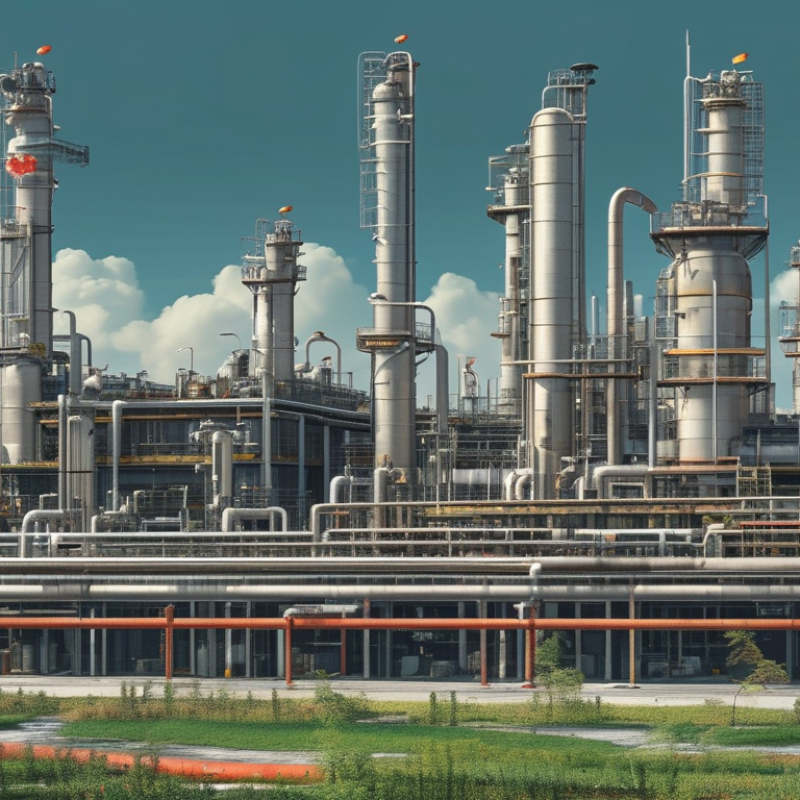
Pyrolysis processes are emerging as a vital solution for enhancing resource recovery in various industries. By converting waste materials into valuable products, businesses can significantly reduce their environmental impact. According to a report by the World Economic Forum, the pyrolysis industry is projected to grow at a CAGR of over 13% by 2028. This growth highlights its potential to transform waste management practices.
Investing in a pyrolysis plant can lead to remarkable returns. For instance, converting plastic waste yields oil, char, and gas, which can be reused or sold. The U.S. Environmental Protection Agency notes that conventional recycling rates for plastics stand at only 9%. Pyrolysis offers a more efficient alternative, with recovery rates exceeding 80% in some cases. This aligns with global sustainability goals.
Tip: Consider local regulations on waste treatment before starting a pyrolysis project. Compliance can mitigate risks and enhance business reputation.
However, challenges exist. The technology requires a significant upfront investment, and operational complexities may arise. Effective management and expertise are crucial to success. Sustainability reports indicate that companies with sound waste management achieve operational efficiencies and enhanced brand credibility.
Tip: Explore partnerships with technology providers for better access to know-how and resources.


 Close
Close