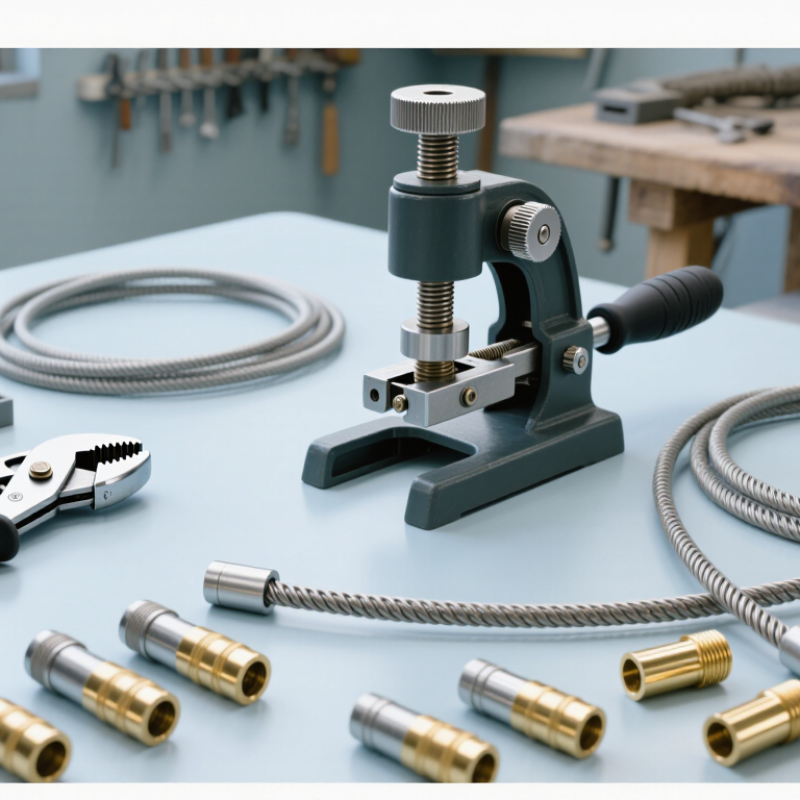
| Hand-operated swaging tool | Light-duty or occasional terminations on compatible wire rope and sleeves; useful where portability and simple setup matter. | Confirm the tool’s stated cable and sleeve compatibility, approved die sizes, handle leverage, and whether replacement dies are available. Do not assume one tool fits every sleeve material or cable construction. | Use the specified die and follow the swage sequence in the tool instructions. Keep fingers clear of the dies and handles, and wear safety glasses while working with wire rope. | Wipe the tool clean after use, inspect pivot points and dies for wear or damage, and lubricate only as directed by the manufacturer. Store dry to limit corrosion. |
| Hydraulic swaging tool | Repeated or higher-force swaging jobs where the tool is rated for the required cable and sleeve range. | Check the tool’s rated capacity, compatible dies, service requirements, and availability of seals or other service parts. Verify that the rating covers the exact fitting and material combination. | Inspect the frame, hose, couplings, and ram before use. Keep hands away from the closing dies, operate on a stable surface, and release hydraulic pressure before adjustments or servicing. | Clean the dies and frame, check for leaks or damaged hoses, and follow the specified hydraulic-fluid and inspection schedule. Do not use a leaking or damaged tool. |
| Bench-mounted swaging tool | Workshop use and repetitive work where a fixed, stable setup helps with positioning and consistent operation. | Check the mounting requirements, die compatibility, working range, and availability of instructions for the intended cable and sleeve system. Ensure the bench can safely support the tool and workpiece. | Secure the tool to a stable workbench as instructed. Keep the work area clear, position the fitting correctly, and keep hands away from the swaging point during each stroke. | Check mounting bolts and moving parts periodically. Remove metal debris, inspect dies for deformation or cracks, and protect bare surfaces from moisture during storage. |
| Battery-powered hydraulic swaging tool | Field work or jobs that benefit from powered operation without a fixed hydraulic pump or bench setup. | Verify the tool’s rated range, approved dies, battery and charger availability, service support, and any operating limits stated in its manual. | Inspect the tool and battery before use. Keep the swaging area clear, use the correct die, and remove or isolate the battery before cleaning, changing dies, or carrying out maintenance as directed. | Keep the tool and battery dry and clean. Follow the battery maker’s charging and storage instructions, and arrange inspection or service if the tool behaves unusually or shows damage. |
| Tooling for a matched swage system | Installations where the cable, sleeve, and swaging method are specified as a compatible system, such as certain rigging or architectural cable applications. | Confirm the required cable construction, sleeve material and size, die profile, number and placement of swages, and inspection criteria from the system documentation. | Do not substitute sleeves, dies, or cable types unless the system instructions allow it. Inspect the completed termination using the specified acceptance criteria before putting it into service. | Keep system instructions with the tooling. Track die condition and service history, and replace worn or damaged components only with compatible parts. |



 Close