Which Cast Iron Butterfly Valve Is Best in 2026?
Choosing the best Cast Iron Butterfly Valve in 2026 starts with the job it must do. A valve on a chilled-water line faces different demands from one controlling abrasive process water. Pipe size matters, but so do pressure, temperature, media, operating frequency, and available installation space. Get those details wrong, and a valve that looks right on paper may leak, seize, or wear early.
Valve engineer [Expert Name] offers a practical reminder: “The right valve is the one matched to the service, not simply the one with the lowest price.” Replace this placeholder with a verified expert name and quotation before publication. That caution matters. Cast iron offers a strong, economical body for many low- and moderate-pressure applications, but it is not suitable for every fluid or operating condition. Seat material, disc design, shaft sealing, and connection style can change performance substantially.
This guide compares the features that deserve close attention. Look for clear pressure and temperature ratings, compatible elastomers, accessible documentation, and a reliable operating mechanism. Check whether the valve will be operated by hand, gear, or actuator. A cramped pipe rack can make handle clearance a real concern. So can maintenance access.
There is no universal winner. A sensible choice balances service conditions, build quality, lifecycle cost, and supplier support. We’ll examine those trade-offs and explain what to verify before ordering. One detail is easy to overlook: confirm the full specification against the actual line conditions.
How Cast Iron Butterfly Valves Control Flow
Which Cast Iron Butterfly Valve Is Best in 2026?
How Cast Iron Butterfly Valves Control Flow
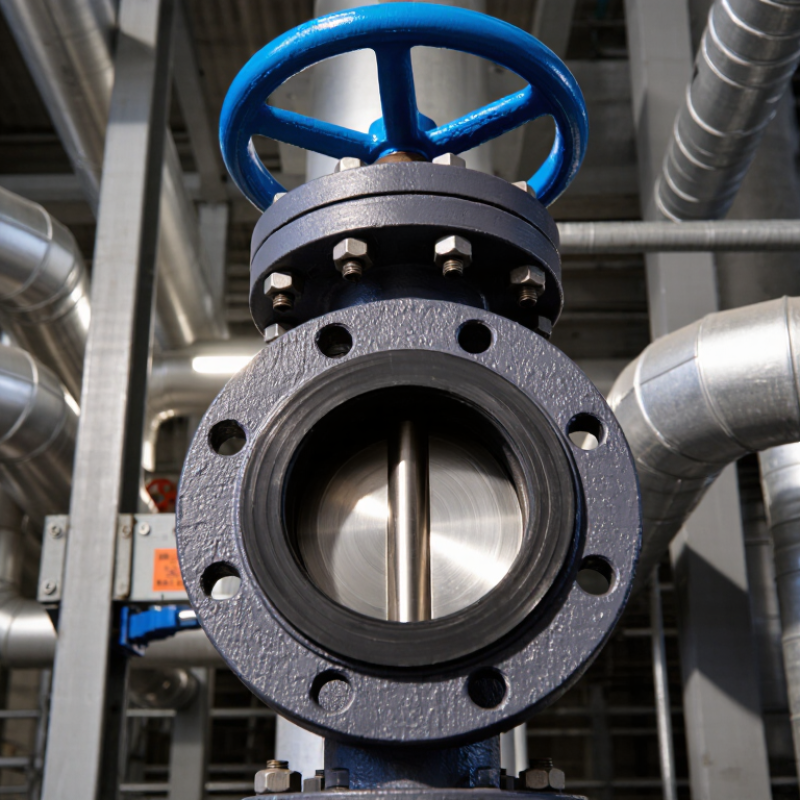
A butterfly valve regulates flow as its disc rotates inside the pipe. At a quarter-turn, the disc moves from open to closed; between those positions, it restricts the passage. Small turns matter. In water and HVAC systems, cast iron bodies are common, but the disc, seat, pressure class, and fluid compatibility also affect performance. “Cast iron” alone does not identify the right valve.
Flow control is not perfectly linear: equal handle movements may produce different flow changes at different disc positions. Partly closed discs can also create turbulence, noise, or vibration, especially at high flow rates. The U.S. Department of Energy’s Improving Pumping System Performance sourcebook estimates that pumping systems use nearly 20% of global electricity demand. That figure is not a valve-savings claim; it shows why selecting and operating flow equipment carefully matters. Check the valve’s flow-characteristic and pressure-drop data against the system design.
Tips: Confirm pressure and temperature ratings, then verify the seat suits the fluid. Check the curve. Avoid choosing by pipe size alone. A common oversight is treating a butterfly valve as a precise control valve at every opening; for tight regulation, compare its control range with the system’s actual needs.
Key Specifications to Compare in 2026
Which Cast Iron Butterfly Valve Is Best in 2026?
Key Specifications to Compare in 2026
A suitable valve must match the pipeline, not just the purchase list. Compare nominal diameter, pressure class, face-to-face dimensions, and end connections. For waterworks applications, AWWA C504 provides requirements for rubber-seated butterfly valves; verify the chosen valve’s stated compliance and installation dimensions. Fit matters. A mismatch can turn a routine replacement into extra field work.
Check the body material and pressure rating against the fluid, operating temperature, and surge conditions. Then review the seat material, disc construction, shaft sealing, and permitted leakage. Ask for the pressure-test results and the torque curve across the operating range. One detail is easy to miss: actuator sizing should reflect real differential pressure, not just nominal line pressure. I would not choose by maximum pressure alone.
Lifecycle cost deserves attention. The U.S. Environmental Protection Agency’s 2023 Drinking Water Infrastructure Needs Survey and Assessment estimates $625 billion in drinking-water infrastructure needs over 20 years. That figure is not a valve-market forecast, but it highlights why maintainability and service life matter. Compare replacement-seat availability, inspection access, and documented test procedures alongside the initial price. A clear datasheet helps; vague ratings do not.
Choosing Between Wafer, Lug, and Flanged Designs
A cast iron butterfly valve is not chosen by body style alone; pressure, fluid, temperature, and maintenance access all matter. For many water and HVAC lines, a wafer design is compact and economical. It fits between two pipe flanges and is clamped in place by the flange bolts. Its slim profile saves space. But removal usually means separating the pipe flanges, which can make routine service awkward in a crowded plant room.
A lug-style valve has threaded inserts around its body, allowing each pipe flange to bolt to the valve independently. This can help when one side of the line needs maintenance. Do not assume every lug valve is suitable for dead-end service; verify that capability and its pressure rating in the product documentation. That detail is easy to miss.
Flanged designs bolt directly to matching pipe flanges and may suit lines where firm support and straightforward alignment matter. They are typically bulkier, so check available clearance and installation weight. Compare face-to-face dimensions, seat material, and operating limits against the actual service conditions. Cast iron can be vulnerable to impact and sudden temperature changes, so confirm the body material is suitable for the fluid and site conditions. A small sizing compromise today can become a stubborn maintenance problem later.
Matching Valve Materials and Seats to Service Conditions
Which Cast Iron Butterfly Valve Is Best in 2026?
Choosing a cast iron butterfly valve starts with the fluid, temperature, pressure, and operating frequency—not the catalog photo. For clean water and many municipal services, an EPDM seat is often suitable. It can seal reliably across repeated cycles, but it is not a good choice for every oil or chemical. Nitrile may suit some oil-containing services; confirm compatibility with the exact fluid and temperature. Small differences matter.
The body and disc deserve equal attention. Gray cast iron can work well in steady, moderate-pressure systems, while ductile iron offers greater toughness where piping may face vibration or mechanical stress. A stainless-steel disc can help resist corrosion, though its grade must match the water chemistry. For abrasive solids, ask how the seat and disc handle wear; a tight seal on day one is not the whole story. Check the valve’s pressure and temperature ratings, flange pattern, and shutoff requirements against the actual installation. There is no universal best. That choice is rarely neat. Even a sound material pairing can disappoint if the seat is incompatible or the valve is oversized, so review service data before specifying it.
How to Identify the Best Valve for Your Application
The best cast iron butterfly valve is the one that matches the service conditions, not simply the largest or cheapest option. Start with the fluid, operating pressure, temperature range, and expected cycling frequency. Water in a building system presents different demands from abrasive slurry or chemically treated process water. Check the body, disc, and seat materials together; a cast iron body alone does not confirm media compatibility. Fit matters. Verify the valve’s pressure rating and temperature limits against the actual operating range, including possible surges.
Next, confirm the connection style and installation dimensions. Wafer and lug designs suit different piping layouts, and lugged valves need a suitable pressure rating if used for dead-end service. Measure flange spacing before ordering; a small mismatch can make an otherwise suitable valve difficult to install. Consider manual, electric, or pneumatic operation based on access, control needs, and how often the valve must move. Check the required shutoff performance, too. A valve intended for isolation may not provide the precise flow control a system needs.
A specification sheet can look complete and still leave out a real site constraint, such as limited handwheel clearance or a sticky medium. Review drawings, service data, and maintenance access with the people who will install and operate the valve. When conditions are uncertain, document the assumptions and confirm them with the supplier’s technical team. That extra check is not glamorous, but it can prevent an avoidable mismatch.



 Close

