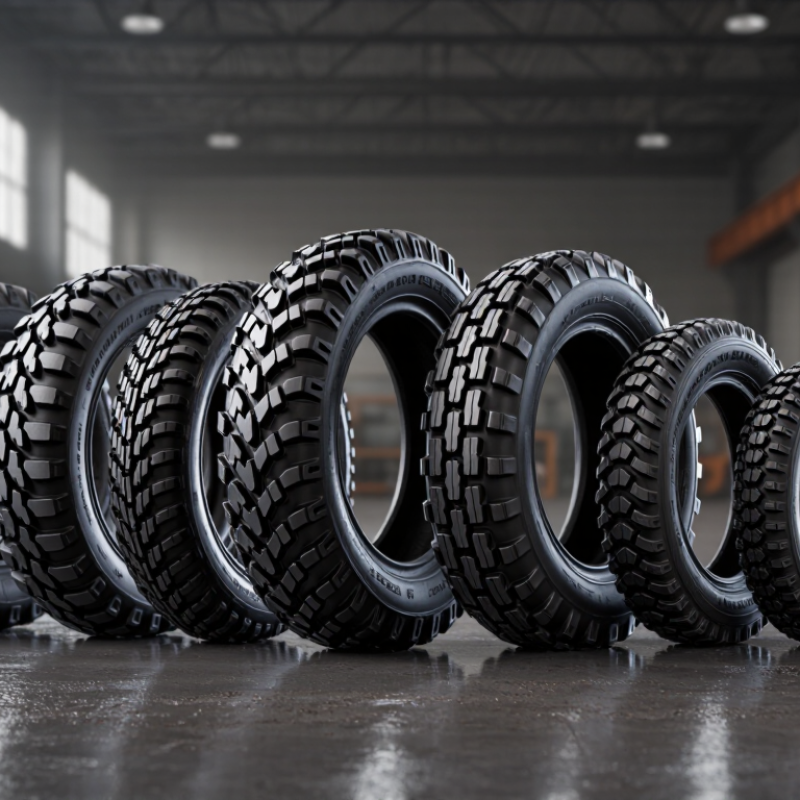
| Intended riding conditions | Match tread pattern and compound to terrain, such as soft soil, mud, sand, hard-packed ground, or mixed surfaces. | Open, widely spaced knobs are commonly selected for loose or muddy terrain; closer, lower-profile knobs are often considered for firmer ground. Actual performance depends on the tire design and conditions. | Terrain-use descriptions, product specifications, and test or field-evaluation information for the intended application. |
| Motorcycle fitment | Confirm the size, rim diameter, front or rear position, and the motorcycle manufacturer’s fitment guidance. | Examples of off-road motorcycle size designations include 80/100-21 and 110/100-18. These are examples, not universal fitments. | Available sizes, dimensional drawings or specifications, and fitment guidance for the target motorcycles. |
| Reading tire size | Check the complete size marking rather than relying on an approximate outside diameter. | In a 110/100-18 marking, 110 is nominal section width in millimetres, 100 is the aspect ratio, and 18 is the nominal rim diameter in inches. | Clear photographs of sidewall markings and confirmation that the quoted size matches the required rim. |
| Tube-type or tubeless construction | Verify that the tire and wheel setup are compatible and that the product is intended for the requested use. | Many off-road motorcycle setups use an inner tube; compatibility depends on the tire, rim, and vehicle instructions. | Construction type, tube-use instructions, and any restrictions stated in the product documentation. |
| Load and speed suitability | Check the tire’s marked load and speed information against the vehicle requirements and intended operation. | Ratings vary by tire size and model. Do not assume that tires with the same size have identical ratings. | Sidewall rating details and the applicable product specification for each requested size. |
| Pressure and operating guidance | Use the motorcycle and tire manufacturers’ guidance; pressure needs can vary with load, terrain, and setup. | There is no single appropriate pressure for every dirt tire or riding condition. | Published inflation guidance, usage limitations, and any instructions for tube or rim-lock setups. |
| Destination-market rules | Identify the applicable requirements for the country, vehicle category, and intended road or off-road use. | Approval and marking requirements differ by market. A tire intended for off-road use should not be assumed to be road-approved. | Applicable test reports, declarations, and marking details for the destination market, where required. |
| Product consistency and quality control | Review how the supplier controls dimensions, appearance, materials, and production batches. | Useful checks may include visual inspection, dimensional inspection, and batch identification; the exact inspection plan should be documented. | Quality-control process, inspection records or sample reports, traceability method, and defect-handling procedure. |
| Sampling and product evaluation | Evaluate representative samples before confirming a larger order. | Check fitment, markings, workmanship, and suitability in the intended conditions. Sample results do not replace any required formal testing. | Sample availability, sample specifications, evaluation support, and the process for approving a production sample. |
| Export packaging and shipping | Confirm packaging protects tires during storage and transport and supports the buyer’s handling requirements. | Packaging, carton quantity, shipping marks, and transport method should be agreed for each order. | Packing details, carton dimensions and weight, shipping marks, shipment documents, and quoted delivery terms. |
| Commercial planning | Compare price alongside specifications, order terms, delivery schedule, and after-sales support. | Minimum order quantity, production lead time, and payment terms vary by supplier, product, and order size; they should be confirmed in a written quotation. | Itemized quotation by size and specification, MOQ, lead time, payment terms, warranty terms, and contact for quality claims. |



 Close