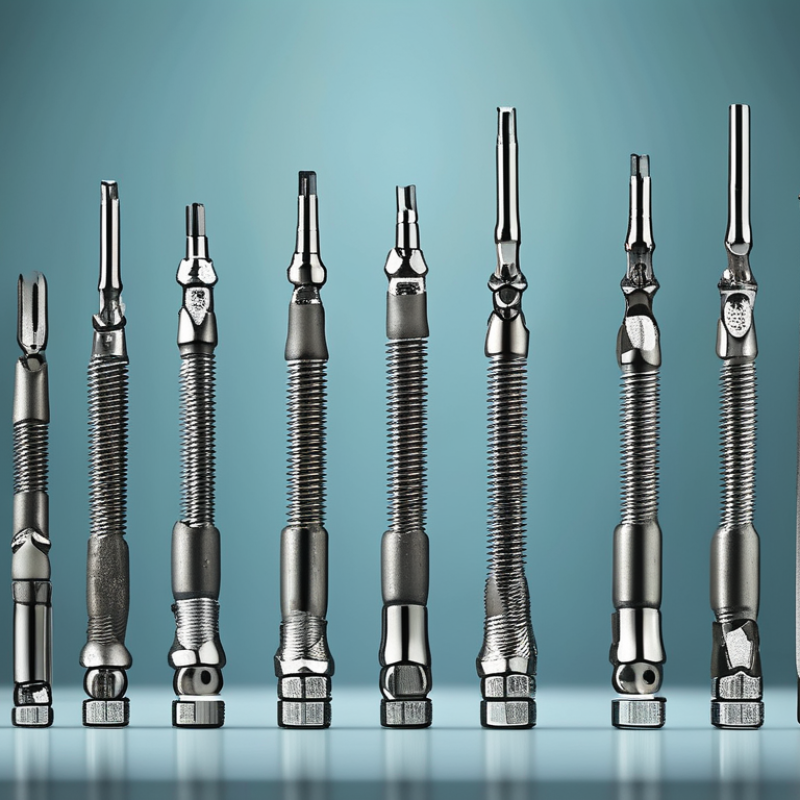
Distal radius locking plate systems are crucial in modern orthopedic surgery. They provide stability for complex wrist fractures. Studies show that optimal fixation is key for functional recovery. According to the Journal of Orthopedic Trauma, failure rates for some fixation methods can be as high as 15%. This highlights the importance of selecting the right plating system.
Surveys indicate that surgeons prefer plates that offer angular stability. A recent report noted that systems enabling adjustable screw placements can lead to better outcomes. The cost of these systems varies significantly, influencing purchasing decisions. While some surgeons advocate for lower-cost alternatives, the potential for higher revision rates cannot be overlooked.
In recent years, advancements in material science have improved plate design. Most companies focus on lightweight options that reduce patient discomfort. However, not every design results in successful outcomes. A comprehensive understanding of biomechanical principles is essential. Surgeons must balance cost, effectiveness, and patient needs when choosing these systems. The selection process is complex and requires continued education and reflection on past experiences.



 Close
Close