What are the Best Excavator Interior Accessories for Comfort?
When it comes to comfort in excavators, the right interior accessories make all the difference. John Doe, an expert in Excavator Interior Accessories, once said, “Comfort on the job site leads to better performance and safety.” This sentiment resonates deeply among operators who spend long hours in their machines.
Selecting the best accessories can greatly enhance the working environment. Comfortable seats, adequate storage, and climate control options are essential. Operators appreciate heated seats during cold weather and proper back support for long shifts. An ergonomic layout can reduce fatigue, enabling better concentration on the task at hand.
However, not every interior accessory will suit every operator. Some may find their choices lacking, leading to discomfort. It's important to evaluate personal needs and preferences when outfitting an excavator. Investing in quality Excavator Interior Accessories is crucial, but it’s equally important to reflect on what truly enhances your comfort.
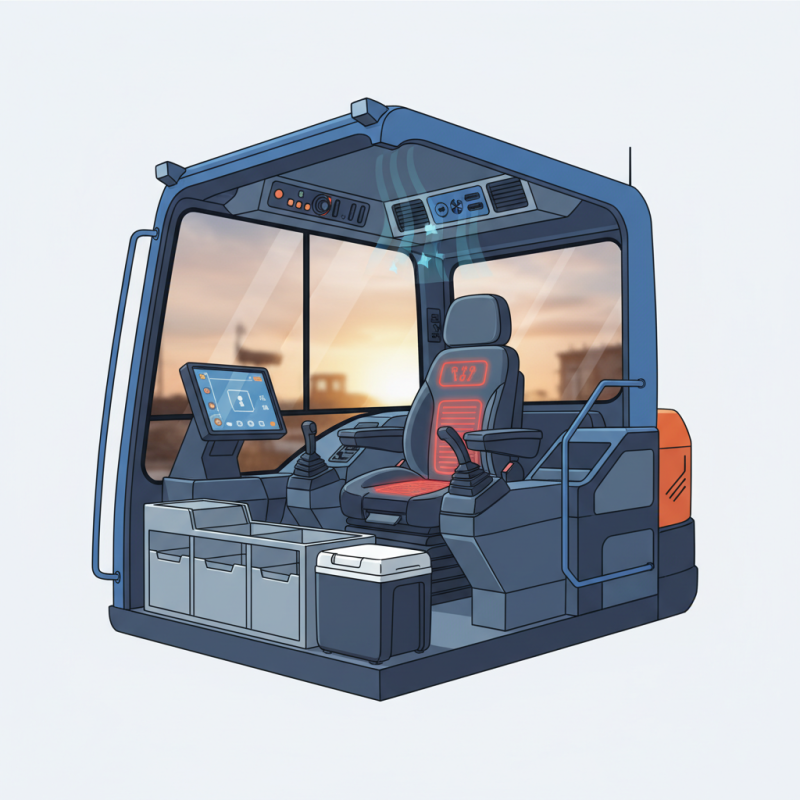
Essential Features of Ergonomic Excavator Seats for Comfort
When it comes to excavator comfort, ergonomic seats are crucial. Research indicates that operators spend an average of 4 to 8 hours daily in their machines. A poorly designed seat can cause fatigue and affect performance. An ergonomic seat should support your lower back, promoting good posture. According to the Occupational Safety and Health Administration, proper seating can reduce strain and potential injuries by up to 50%.
Key features of an ergonomic seat include adjustable lumbar support. This allows operators to customize their seating position. Padded cushions with memory foam can also enhance comfort. They mold to the body shape, providing better pressure distribution. Additionally, a swivel base can aid in easy movement. Studies suggest that seating designed for mobility reduces operator fatigue over prolonged use.
Other factors to consider are climate control and seat height adjustments. Heated seats can reduce muscle stiffness in colder conditions. Meanwhile, the height adjustment should accommodate different operator sizes for optimal visibility. Ignoring these features may lead to discomfort and reduced efficiency. Operators often overlook how seat design impacts their work experience. Ensuring these essentials can significantly enhance comfort and work output.
What are the Best Excavator Interior Accessories for Comfort? - Essential Features of Ergonomic Excavator Seats for Comfort
| Feature | Description | Benefit |
| Adjustable Seat | Seats that can be adjusted for height, recline, and tilt. | Allows operators to find their ideal driving position for comfort and control. |
| Lumbar Support | Support built into the back of the seat to promote proper posture. | Reduces back pain and fatigue during long hours of operation. |
| Cushion Padding | Soft, high-density foam cushions for seats. | Enhances overall comfort and reduces pressure points. |
| Armrests | Padded armrests that are adjustable. | Provides support for arms and shoulders, reducing strain. |
| Climate Control | Integrated heating and cooling features in the seat. | Maintains a comfortable temperature for the operator. |
| Vibration Dampening | Shock absorption technology built into the seat. | Reduces vibration impact, increasing comfort and reducing fatigue. |
| Easy Access Controls | User-friendly controls for adjusting seat features. | Allows quick adjustments without disrupting operation. |
High-Quality Floor Mats: Enhancing Comfort and Safety in Excavators
High-quality floor mats play a vital role in enhancing comfort and safety in excavators. These mats provide cushioning that reduces fatigue during long hours of operation. According to a recent industry report, effective flooring can decrease operator fatigue by up to 30%. This is essential, as operator discomfort can lead to mistakes and accidents.
Choosing the right floor mats also enhances safety. Many mats are designed with anti-slip surfaces. This feature helps prevent slips and falls, a common issue in excavators. A study indicated that proper flooring can reduce workplace accidents by 25%. This improvement is critical in maintaining a safe work environment.
Tips: Consider mats with sound-absorbing properties. They can reduce noise levels by as much as 10 decibels. Regularly cleaning and maintaining floor mats is equally important. Dirt and debris can undermine their effectiveness. Make sure to replace worn-out mats to avoid potential hazards. Proper flooring can mean the difference between safety and injury in high-stakes work environments.
Excavator Interior Accessories for Comfort
Effective Climate Control Solutions for Excavator Interiors
Maintaining a comfortable climate inside an excavator is critical for operator efficiency. Studies indicate that clear visibility and controlled temperatures enhance productivity by up to 20%. Operator fatigue can set in quickly, especially during long hours in extreme temperatures. A well-designed climate control system can minimize those risks.
Effective climate control relies on several key components. Heating systems must effectively distribute warm air in cold conditions. Meanwhile, air conditioning units should provide a cool respite during hot weather. Good insulation plays a vital role, too. Insulating materials can reduce external noise and maintain proper temperature levels. Surprisingly, the cabin often faces temperature variations of up to 30°F without proper management.
Operators increasingly prefer features like adjustable vents and multi-zone climate settings. However, not every excavator comes equipped with these options. Some operators may struggle with inadequate airflow or a lack of heating options. Regular maintenance checks are crucial. Dust and debris can clog filters, drastically affecting performance. Over time, this leads to uncomfortable work conditions. Ensuring optimal climate control directly impacts overall job satisfaction.
Storage Solutions: Maximizing Space and Comfort in Excavator Cabs
In the world of excavators, maximizing comfort starts with effective storage solutions. Studies show that operators spend an average of 8-10 hours per day in their machines. Therefore, the interior design of an excavator cab must prioritize organization and accessibility. Tools and personal items often clutter the space, leading to decreased efficiency. A well-thought-out storage system can make a significant difference in comfort levels.
Organizers that fit seamlessly into the cab enhance user experience. For example, overhead bins and side compartments allow for easy access to essential tools. Data highlights that well-organized cabs can increase productivity by up to 15%. However, many operators struggle with inadequate storage options. Cables, harnesses, and small tools often end up on the floor, creating potential hazards and distractions.
Additionally, the importance of ergonomics cannot be ignored. Items placed within arm's reach reduce strain during long hours of operation. Some operators report backaches due to awkward bending to retrieve tools. A system that combines easy-to-access storage with ergonomic considerations can promote better health and safety. Reflecting on these aspects can help manufacturers create better designs for comfort and efficiency.
Soundproofing Techniques for a Quieter Excavator Experience
Noise can be a significant issue in excavators, affecting operator comfort and productivity. A recent industry report highlights that prolonged exposure to noise levels exceeding 85 dB can lead to hearing loss and fatigue. Implementing soundproofing techniques not only enhances comfort but also improves overall efficiency. Strategies like adding acoustic panels and using rubber mats can help reduce harsh sounds from the engine and surroundings.
Cab insulation is another crucial aspect. Many operators overlook the benefits of upgraded insulation. The right materials can significantly decrease noise penetration. Reports suggest that operators report a 30% increase in comfort with proper soundproofing. Simple modifications, such as sealing gaps and using sound-dampening materials, can create a noticeably quieter environment.
While these techniques can greatly enhance the experience, challenges remain. Some materials may add weight or be difficult to install. Operators must find a balance between comfort and the machine's performance. Continuous improvement in soundproofing technologies will be essential for the evolving needs of the industry. The goal is a tranquil work environment that ensures efficiency without sacrificing safety or functionality.



 Close
Close