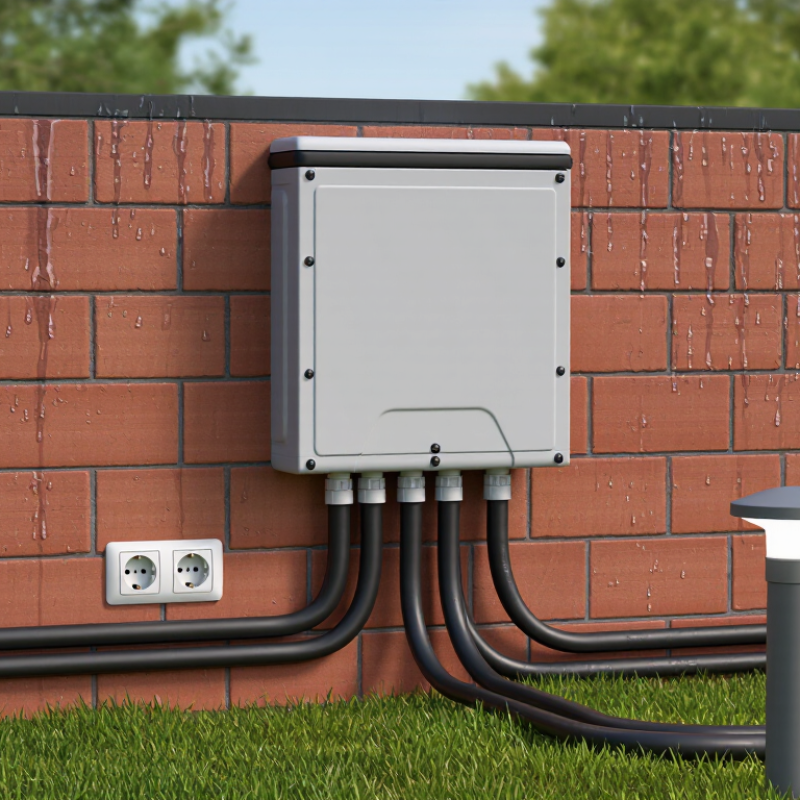
| Choosing the right unit | A unit suited to the location, electrical installation, circuit count and expected future needs. | There is no single best unit for every property. Ask a qualified electrician to assess the installation and select equipment appropriate to its environment and design. |
| Weather protection | An enclosure with an ingress-protection rating appropriate to its actual exposure to rain, dust and water. | Check the manufacturer’s stated IP rating and installation instructions. An IP rating describes tested protection against specified ingress; it does not, by itself, guarantee suitability for every outdoor location. |
| Materials and durability | Enclosure materials and seals suitable for outdoor temperature changes, sunlight and the risk of corrosion. | Look for visible damage, brittle or discoloured parts, rust, loose seals or signs of water entry. Have deterioration assessed rather than attempting a repair yourself. |
| Location and mounting | A secure, stable installation with the covers and cable entries correctly fitted and access kept clear. | Check from the outside for movement, impact damage, gaps or displaced covers. Installation location and mounting should be assessed by an electrician against the site conditions and applicable wiring requirements. |
| RCD or RCBO protection | Protective devices appropriate to the circuits and the design of the installation. | Ask an electrician to confirm the protection provided and whether it is appropriate for the circuits served. The test button is for checking the device’s operation; follow its instructions and the manufacturer’s recommended test interval. |
| Routine visual checks | Look for cracks, missing screws, damaged cable entries, condensation, staining, corrosion or unusual heat marks on the exterior. | Inspect without removing the cover. If you notice damage, water ingress, a burning smell, buzzing or repeated tripping, keep clear and contact a qualified electrician promptly. |
| Safe cleaning | A clean exterior and unobstructed access, without exposing electrical parts to moisture. | Only clean the outside with a dry or slightly damp cloth when it is safe to do so. Never hose the unit, use solvents, or open the enclosure to clean inside. |
| Testing and electrical work | Inspection, testing, repairs and changes carried out by a suitably qualified electrician. | Do not remove the cover, tighten terminals, replace protective devices or work on wiring yourself. Electrical checks and any required repairs should follow applicable local regulations and wiring standards. |
| Records and maintenance | Keep relevant installation, inspection and repair records, along with the unit’s instructions where available. | Arrange professional inspection when the unit is damaged, shows signs of water entry, trips repeatedly, or the installation is altered. An electrician can advise whether a wider inspection or testing is needed. |



 Close