Best Flexible PCBs for Your Electronic Projects?
The rise of Flexible Pcbs marks a significant evolution in electronics. Flexible PCBs provide unmatched versatility for various applications. According to a report by MarketsandMarkets, the flexible PCB market is projected to reach $29 billion by 2025, showcasing their increasing importance.
"Flexible PCBs are transforming the way we design and manufacture devices," says Dr. Lisa Cheng, a leading expert in PCB technology. She emphasizes their role in compact designs and lightweight applications. However, not all flexible PCBs are created equal. Choices depend on specific project needs, material types, and environmental conditions.
Often, designers face challenges in selecting the right specifications. Misalignment between performance requirements and PCB capabilities can lead to failures. The complexity of integrating flexible PCBs into existing systems adds to this challenge. Despite these hurdles, the potential benefits make them worthwhile for innovation in electronic design.
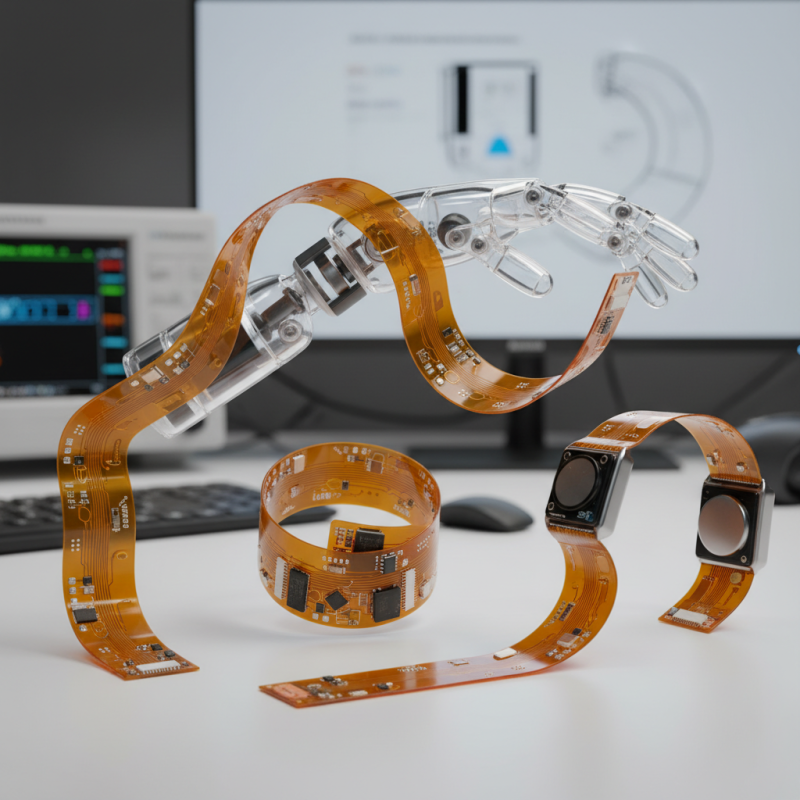
Best Flexible PCBs: Key Features and Specifications for Electronics
When creating electronic projects, the choice of flexible PCBs can make a significant impact. Flexible printed circuit boards are essential for designs with limited space or unique shapes. They provide durability and adaptability, crucial for intricate applications. When considering flexible PCBs, pay attention to the materials used. High-quality substrates enhance performance and longevity.
Another critical specification is the thickness. Thinner boards better fit unconventional spaces but may sacrifice strength. Also, consider the copper weight in your design. Heavier copper layers offer better conductivity but can be less flexible. Balancing these features is key to achieving optimal performance.
Tips: Always prototype before finalizing your design. Testing with small batches can expose potential flaws. Make adjustments based on real-world performance. Remember, flexibility also means accommodating future changes. Be prepared to iterate, as design processes are often non-linear.
Types of Flexible PCBs: Rigid-Flex, Single-Sided, and Multi-Layer Designs
When considering flexible PCBs for electronic projects, it’s essential to understand the different types available. Rigid-flex PCBs combine the benefits of flexible circuits with solid substrates. They offer durability and can withstand harsh conditions. The design can be compact, allowing for complex arrangements in tight spaces. This type is ideal for advanced electronics. However, designing them can be challenging. Errors in layout can lead to costly revisions.
Single-sided PCBs are simpler and more economical. They are primarily used in low-cost electronic devices. Their layout consists of components on one side, making them easier to manufacture. While they are great for basic functionality, they do have limitations. Multi-layer designs, on the other hand, offer increased routing options. These PCBs can support intricate circuits. Yet, the complexity can make them harder to repair. Misalignment during assembly can be a concern.
Choosing the right type involves careful consideration of design and functionality. Understanding these factors is vital. Ignoring them can lead to project delays. A flexible PCB project requires thoughtful planning. Balancing flexibility with durability is key. Each design has its pros and cons. Reflect on your project needs and constraints before making a decision.
Flexible PCBs Types and Their Usage in Projects
Material Choices for Flexible PCBs: Polyimide vs. PET Comparisons
When considering flexible PCBs, the choice of material is crucial. Polyimide is often preferred. It's known for its high thermal stability and excellent mechanical properties. This makes it suitable for various electronic applications. In contrast, PET, or polyethylene terephthalate, is less expensive but not as heat-resistant. Thus, it may limit its use in high-performance devices.
Manufacturers often debate between these two materials. Polyimide can handle extreme temperatures, making it a favorite for aerospace or automotive uses. However, it can be difficult to work with. PET is easier to process, but its durability may not match polyimide. This choice depends on the specific needs of your project.
While some projects may benefit from Polyimide's resilience, cost can be a factor. PET offers a more budget-friendly option. Both materials have pros and cons. Recognizing these can lead to better choices in electronic design. The right decision often requires balancing performance and cost. Explore these materials further to ensure your projects succeed.
Manufacturing Processes: How Flexible PCBs are Fabricated and Assembled
Flexible printed circuit boards (PCBs) are gaining popularity in various electronic projects. Their unique design allows for flexibility and adaptability in applications. Understanding their fabrication and assembly is crucial for optimal results.
The manufacturing process of flexible PCBs typically includes several key steps. First, designers create a schematic that defines the circuit layout. Once the layout is established, the PCB substrate is chosen. Polyimide and polyester are common materials due to their heat resistance and flexibility. According to a recent industry report, the demand for flexible PCBs is expected to increase by 10% annually through 2025, reflecting their growing importance in tech innovation.
During assembly, it's vital to ensure proper alignment and bonding. Mishaps at this stage can lead to malfunctioning circuits. Industry experts recommend maintaining a clean workspace to prevent contamination. Additionally, testing for reliability should be prioritized. Many projects overlook this step, which can lead to premature failures.
Tip: Always prototype before full production. Simple tests can save time and resources. Another tip is to evaluate different materials. Specific applications might benefit from alternative substrates, leading to improved performance. Being attentive to these details is essential for successful electronic projects.
Applications of Flexible PCBs: From Wearables to Automotive Electronics
Flexible printed circuit boards (PCBs) have transformed various industries. Their adaptability makes them ideal for both wearables and automotive electronics. A lightweight, flexible design allows devices to fit seamlessly into tight spaces. For instance, smartwatches use flexible PCBs to maintain a sleek profile while packing in advanced functionality.
In automotive applications, flexible PCBs contribute to safety and efficiency. They can be integrated into dashboards and sensors without adding bulk. This increases the reliability of connections in challenging environments.
However, working with flexible PCBs can pose challenges. Issues with durability and performance under stress sometimes arise. Designers must therefore carefully evaluate the material choices and design strategies for optimal results. Making prototypes can reveal unforeseen problems that need addressing.



 Close
Close 
