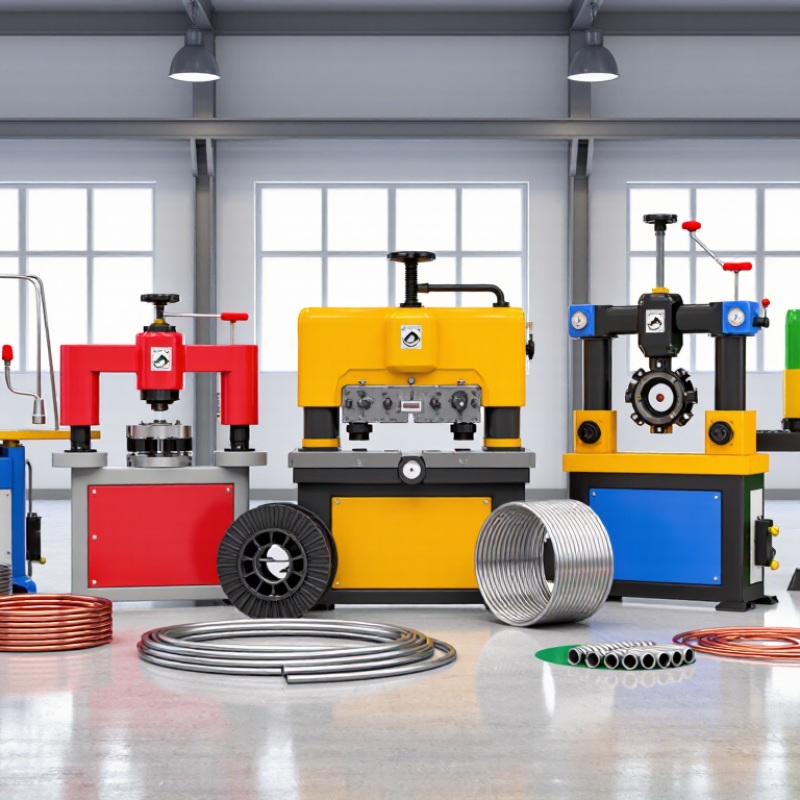
Hairpin tube benders produce consistent U-bends only when tooling, tube support, and guarding are correctly set. Before each shift, inspect the die, clamp, mandrel, foot switch, and visible hydraulic lines. Confirm the guard is secure and the work area is clear. Keep hands outside the bending zone during operation. Stop and isolate the machine before clearing a jam or changing tooling, following its service instructions. OSHA’s machine-guarding standard, 29 CFR 1910.212, addresses hazards at points of operation and from rotating parts. Small checks matter.
Routine care helps prevent poor bends and unexpected stops. Remove metal chips, check for loose fasteners or fluid leaks, and lubricate components at the intervals specified by the equipment maker. After adjustments, bend a sample tube and inspect it for kinks, flattening, or incorrect leg spacing. BLS reported 2.4 recordable injury and illness cases per 100 full-time-equivalent workers in private industry in 2023. That broad rate is not specific to tube benders, but it underscores why consistent safeguards matter. A rushed inspection can look complete without catching a worn hose.
Tips: Keep a simple maintenance log with dates, leaks, and tooling changes. Never reach into the bending area to retrieve scrap while the machine is running. Recheck unusual noises before production resumes.



 Close