Best High Pressure Electric Ball Valve for Your Needs?
When it comes to regulating fluid flow in high-pressure systems, the High Pressure Electric Ball Valve stands out. This essential component offers both precision and reliability. Choosing the right electric ball valve is crucial for efficiency. Many factors come into play, including pressure ratings, materials, and control options.
Understanding your specific needs is vital. Not all high-pressure environments are the same. Different applications may require different features. It is important to assess both the operational requirements and the compatibility with existing systems. If neglected, this assessment could lead to performance issues later on.
In exploring your options, consider manufacturers with an established reputation. Look for those who provide detailed product specifications and customer testimonials. A well-informed decision will often lead to better outcomes. Yet, some products may not meet expectations. Therefore, research and careful consideration are necessary steps in the selection process.
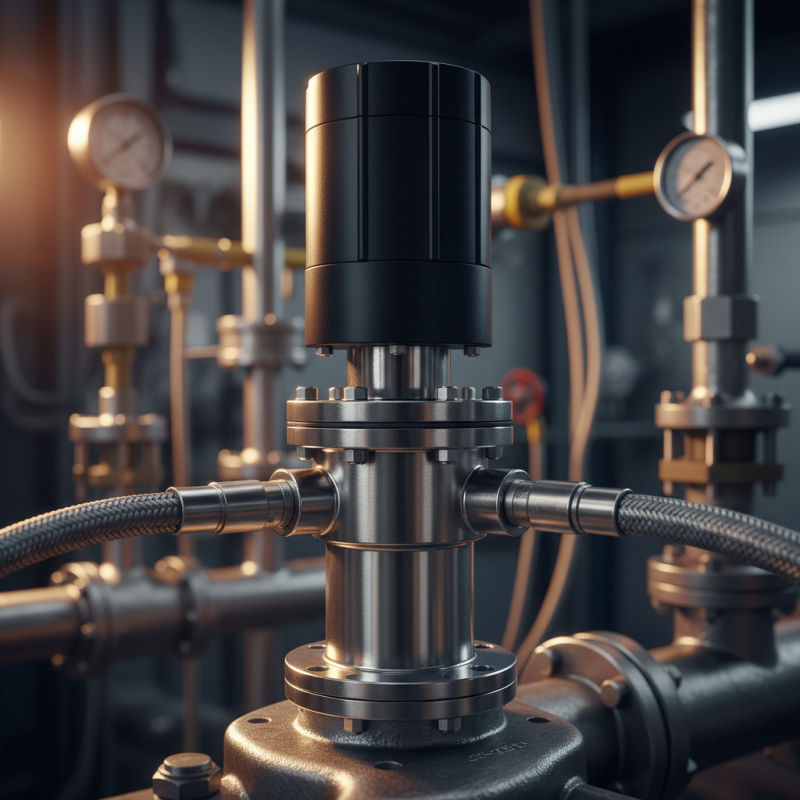
Factors to Consider When Choosing a High Pressure Electric Ball Valve
When choosing a high pressure electric ball valve, several critical factors come into play. The operating pressure rating is essential. Ensure that the valve can handle the maximum pressure of your application. A valve with a higher rating provides a safety margin and reduces the risk of failure.
Another consideration is the material quality. Valves made of durable materials such as stainless steel or brass typically last longer. These materials can withstand corrosion and high temperatures better than plastic options. However, they may be heavier and more expensive. It's crucial to balance durability with your system's needs.
Don't overlook the control mechanism either. Some valves feature advanced electronic controls, which offer precision and reliability. Others may have simpler operators that are easier to maintain. Evaluate what suits you best. While complexity often brings benefits, it can also lead to challenges. Understanding the specific requirements of your system is vital for making an informed choice.
Performance Specifications: Flow Rate, Pressure Ratings, and Material Types
When selecting a high-pressure electric ball valve, performance specifications are crucial. Flow rate is a key factor. This measurement indicates how much fluid can pass through the valve in a given time. A higher flow rate is often needed for industrial applications. Yet, too high a flow can cause turbulence, reducing efficiency.
Pressure ratings are equally important. Valves must withstand the operating pressure of your system. Choosing a valve with a lower pressure rating can lead to failures. It’s essential to ensure the valve matches or exceeds your system's pressure requirements. Look for valves rated for at least 1.5 times your system’s maximum pressure for added safety.
Material types also play a significant role. Common materials include brass, stainless steel, and plastic. Brass offers durability and is often cost-effective. Stainless steel withstands harsh environments but may come at a premium. Plastic valves are lightweight and resistant to corrosion but might not handle extreme pressures well. Carefully consider your application to avoid costly mistakes later.
Best High Pressure Electric Ball Valve for Your Needs?
| Model | Flow Rate (GPM) | Pressure Rating (PSI) | Material Type | Operating Voltage (V) |
| Model A | 30 | 600 | Stainless Steel | 220 |
| Model B | 40 | 800 | Brass | 110 |
| Model C | 25 | 500 | PVC | 24 |
| Model D | 50 | 700 | Cast Iron | 120 |
Applications of High Pressure Electric Ball Valves in Various Industries
High pressure electric ball valves have significant applications across various industries. In oil and gas, they manage high-pressure pipelines, ensuring safe flow control. They withstand extreme conditions—up to 10,000 PSI—which is crucial for operations. According to a recent market report, the global electric valve market is projected to reach $6 billion by 2025. This growth reflects the increasing demand for automation in control systems.
In water treatment facilities, high pressure electric ball valves control the flow of water during purification. Their precise operation prevents leaks, which can waste resources and lead to safety hazards. The chemical industry also relies on these valves to handle corrosive substances effectively. Data shows that inappropriate valve choice can lead to 20% of maintenance costs—an alarming figure for any facility.
Tip: Regular inspections can prevent unforeseen failures. Keep spare parts handy for quick replacements to avoid downtime. Avoid focusing solely on cost; consider long-term efficiency. Balancing affordability with quality is essential. High pressure electric ball valves can sometimes be over-specified, leading to unnecessary complexity and cost. Evaluate your specific needs to avoid over-engineering, which can hamper efficiency and increase initial investments.
Maintenance Guidelines for Optimal Performance of Electric Ball Valves
Electric ball valves are critical for various industries, ensuring efficient flow management. Regular maintenance enhances their performance and longevity. A study from the Institute of Mechanical Engineers indicates that poorly maintained valves can reduce efficiency by up to 30%.
To maintain optimal performance, it is essential to frequently inspect electric ball valves. Look for leaks, unusual noises, or irregular movements. Experts recommend checking seals and actuators quarterly. Dirt and debris can cause malfunctions. Keeping these components clean can prevent unexpected failures.
Lubrication is another key aspect. Valves should be lubricated semi-annually to avoid wear and tear. According to the International Society of Automation, regular lubrication can extend the life of a valve by up to 40%. Users often overlook this step, leading to premature valve failure. Investing time in maintenance can yield significant benefits in efficiency and cost savings in the long run.
Best High Pressure Electric Ball Valve Performance Metrics
This bar chart displays the flow rate in gallons per minute (GPM) and the pressure drop in pounds per square inch (PSI) for different high pressure electric ball valves. Selecting the right valve based on these performance metrics can lead to optimal system efficiency and reduced maintenance needs.
Cost Analysis: Comparing Different Brands and Models of Electric Ball Valves
When choosing a high-pressure electric ball valve, cost analysis becomes crucial. It's important to evaluate various brands and models before making a decision. Prices vary greatly, depending on the features and specifications designed for specific applications. Basic models may start around a few hundred dollars, while advanced systems can exceed several thousand.
Consider the materials used in the valve construction. Stainless steel is more expensive but offers greater durability and resistance to corrosion. Plastic options are cheaper but may not handle high-pressure situations effectively. Look for valves with a track record of reliability, as long-lasting equipment saves money in the long run.
Potential buyers should also think about maintenance costs. Some models are easier to service than others. A valve that is hard to maintain can lead to unexpected expenses. Analyzing these factors helps in making informed choices. However, those who rush into a purchase may find themselves regretting their decision later. Look for user reviews and feedback to gain insights into performance and reliability.

 Close
Close