| Portable Mode 2 charger | About 1.8–3.7 kW | Plugs into a suitable household outlet; an in-cable control and protection device is part of the charging cable. | Connector and plug vary by vehicle and destination market; products may be made for GB/T or IEC-based markets. | Occasional charging, travel, or homes where a fixed charging point is not available. | Charging current is limited by the outlet and circuit. The outlet and wiring should be checked for continuous-load suitability. |
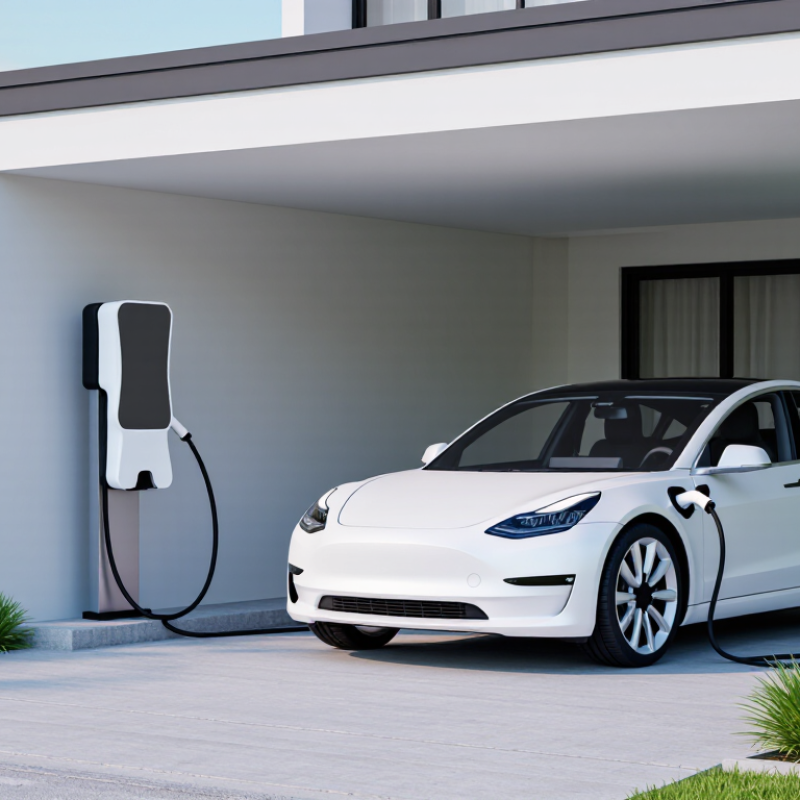
| Single-phase wall-mounted AC charger | Commonly 3.5–7.4 kW | Fixed installation on a dedicated circuit; often supplied with a tethered cable or a socket outlet. | GB/T or Type 2 configurations are used for different vehicle and regional requirements. | Everyday home charging, typically overnight. | Actual charging power depends on the vehicle’s onboard AC charger, the available supply, and the installation. |
| Three-phase wall-mounted AC charger | Commonly 11 or 22 kW | Fixed installation connected to a compatible three-phase supply. | GB/T or Type 2 configurations are available for different markets. | Homes with three-phase service and vehicles that support higher-power AC charging. | A three-phase supply and compatible vehicle are required to achieve the rated power; many homes or vehicles will charge below it. |
| Smart connected wallbox | Typically 3.5–22 kW, depending on the electrical supply and model | Fixed AC charger with features such as app control, scheduled charging, or remote monitoring. | Connector standard is selected for the destination market and vehicle compatibility. | Users who want to schedule charging or view charging status and energy use. | Network features may use Wi-Fi, Bluetooth, Ethernet, or cellular connectivity; availability varies by model. |
| Load-managed home wallbox | Rating varies; output can be adjusted to available household capacity. | Uses current sensing or an energy meter to manage charging alongside other household loads. | GB/T or Type 2 configurations may be offered, depending on the target market. | Homes where the electrical service has limited spare capacity or where peak household loads vary. | Correct setup may require compatible metering equipment and installation by a qualified electrician. |
| Solar-compatible home charger | Rating varies by charger and available solar or grid power. | Coordinates charging with a home energy system; some setups can prioritize surplus solar generation. | Connector and communications compatibility depend on the charger, vehicle, and energy-management equipment. | Homes with solar generation that want to use some available solar energy for vehicle charging. | Solar charging performance depends on generation, household consumption, system controls, and vehicle charging limits. |
| Socket-outlet wallbox | Rating depends on the charger, socket, circuit, and supply. | Fixed charger with a vehicle-side cable plugged into an outlet on the unit. | Commonly offered with regional outlet formats, including GB/T or Type 2 options where applicable. | Homes that prefer to use a separate compatible charging cable rather than a permanently attached cable. | Check that the vehicle cable, outlet, protective devices, and charger are compatible and appropriately rated. |
| General compatibility and safety checks | Not a charger type | Confirm rated voltage, current, phase, enclosure rating, protective functions, and installation requirements for the specific model. | Match the connector and charging protocol to the vehicle and destination market; GB/T and IEC-based systems are not interchangeable without suitable equipment. | Applicable to all home EV charger types. | Specifications and approvals vary by product and sales region. Have a qualified electrician assess the home circuit and follow local electrical codes. |



 Close