What Are the Best Materials for Restroom Stall Walls?
Choosing the right materials for Restroom Stall Walls is crucial for both functionality and aesthetic appeal. Expert John Peterson, a leading designer in commercial restroom solutions, states, “Durability and hygiene must go hand in hand in restroom stall walls.” This highlights a crucial consideration for facilities aiming to balance style with practicality.
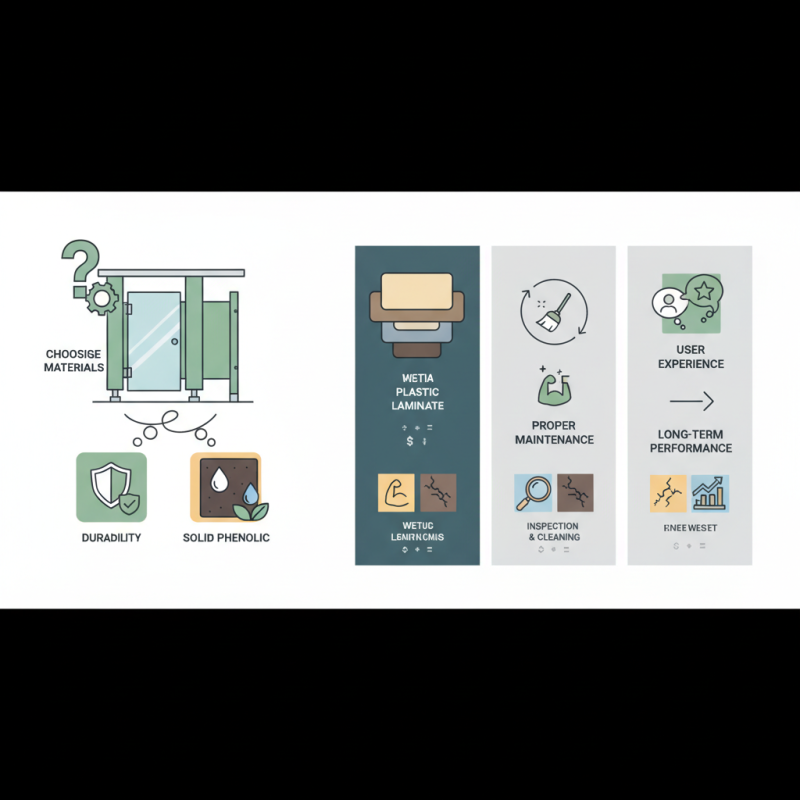
Restroom stall walls face unique challenges. They must resist wear and tear, stains, and moisture. Common materials include plastic laminate, metal, and solid phenolic. Each offers distinct advantages and drawbacks. For example, plastic laminate is cost-effective but may not stand up to heavy use. Metal can be durable, yet it might rust over time.
Many facilities overlook the importance of proper maintenance. Inspecting and cleaning materials is essential. Neglect can lead to significant issues later. Choosing restroom stall walls isn’t just about current trends. It requires thoughtful consideration of long-term performance and user experience. Reflecting on these aspects can guide decision-making effectively.
Best Practices for Choosing Restroom Stall Wall Materials
When selecting restroom stall wall materials, there's more to consider than just aesthetics. Durability is crucial. According to recent industry reports, almost 70% of restroom maintenance issues stem from wall material wear and tear. This statistic highlights the importance of choosing robust options like phenolic or solid plastic. These materials are resistant to moisture and scratches, extending their lifespan significantly compared to traditional materials.
Another factor is sanitation. Reports indicate that surfaces with antimicrobial properties can reduce bacteria by up to 99.9%. This is particularly important in high-traffic facilities. Installations should also consider ease of cleaning. A finish that allows for simple maintenance can save labor costs. Many facilities overlook the long-term expense of maintenance versus initial purchase price.
Aesthetic appeal also matters. Recent data shows that 55% of users judge restroom cleanliness based on the appearance of the stalls. The right choice can enhance user experience. However, some materials may chip or fade over time, detracting from that first impression. Facilities must balance cost, durability, and design. This can be an ongoing process of trial and error. Making informed choices is essential for maintaining both hygiene and user satisfaction in restrooms.
Durability and Longevity: Key Factors in Stall Wall Material Selection
When selecting materials for restroom stall walls, durability and longevity are crucial. High-traffic areas require sturdy options that can withstand frequent use. Materials like stainless steel, solid phenolic, and fiberglass-reinforced plastic often exhibit strong resistance to wear, moisture, and heavy usage. Choosing the right material can significantly reduce maintenance costs over time.
Consider the environmental conditions too. Humidity and temperature fluctuations can affect material performance. For instance, wood may warp or rot in damp conditions. This not only impacts the appearance but can lead to safety hazards like splintering. You want stalls that stay sturdy under any circumstance.
Tips for selection include checking how easy the material is to clean. Non-porous surfaces tend to resist stains better. Look for materials with antimicrobial properties, which enhance hygiene. Lastly, consult with professionals if you're unsure. A little guidance can prevent costly errors in the future. It’s essential to reflect on long-term needs and not just immediate aesthetics.
Cost Comparison of Common Restroom Stall Wall Materials
When selecting restroom stall wall materials, cost is a significant factor. Several options cater to varying budgets and aesthetic preferences. For example, plastic laminate is affordable and easy to clean. However, it may not be durable in high-traffic areas. On the other hand, stainless steel offers longevity but comes with a high initial cost. It also needs regular maintenance to prevent fingerprints and scratches.
Another option is phenolic panels. These are resistant to moisture and impact. They are priced between laminate and stainless steel. However, their installation can be complex. Then there’s traditional wood. Beautiful and warm, wood can be expensive. It is also prone to warping and damage from moisture, which might require more investments in maintenance over time.
It's crucial to balance cost and functionality. Sometimes opting for cheaper materials leads to more repairs. In this case, initial savings can become long-term expenses. A careful evaluation of the environment and usage patterns is essential. This ensures the chosen material meets both budget and durability needs.
Comparative Analysis of Hygienic Properties in Stall Materials
In the context of restroom stalls, choosing the right material is critical. The choice significantly impacts hygiene and user experience. According to a recent industry analysis, materials like fiberglass and stainless steel exhibit superior antibacterial properties. These materials resist bacteria and moisture better than others. For example, fiberglass has a non-porous surface, making it easier to clean and maintain.
Wood and plastic laminate, on the other hand, are common choices but can harbor bacteria. A study indicated that porous surfaces can allow pathogens to thrive. They may seem aesthetically pleasing but often don't provide the best sanitary environment. Users might notice that these materials require more frequent cleaning.
It's interesting to understand that certain materials may appear more attractive, but they come with hidden costs. For instance, while they may be less expensive initially, the long-term hygiene issues can lead to higher maintenance costs. Opting for materials with durable, hygienic properties is not just a practicality; it’s essential for public health.
Aesthetic Considerations: Design Trends for Restroom Stall Walls
Restroom stall walls are more than just functional barriers. They play a significant role in aesthetics and user experience. Recent studies indicate that 73% of visitors judge the cleanliness of a restroom based on its appearance. Colors, patterns, and materials contribute significantly. Designers now lean towards earthy tones and textures, creating a calming atmosphere. A minimalist design, often featuring sleek surfaces, enhances the visual appeal.
Innovative materials like high-pressure laminate and solid plastic are gaining traction. These materials not only offer durability but allow for creative designs. Climate-responsive features are trending too. They help to reduce humidity and maintain cleanliness. However, while aesthetics are important, functionality must not be overlooked. Some materials, while visually appealing, may lack in durability. Regular wear and tear can detract from a space’s overall look. Budget constraints also play a pivotal role in material selection. Hence, a balance is critical.
Creating an inspiring restroom experience requires thoughtful choices. Design trends should mesh seamlessly with functionality. The right stall walls can transform a mundane restroom into a welcoming space. Ensuring a tactile sensation can elevate user comfort. In essence, both aesthetics and practicality must coexist harmoniously in restroom design.
What Are the Best Materials for Restroom Stall Walls? - Aesthetic Considerations: Design Trends for Restroom Stall Walls
| Material | Durability | Maintenance | Aesthetic Appeal | Cost |
| Stainless Steel | High | Low | Modern | High |
| Powder-Coated Steel | Medium | Medium | Versatile | Medium |
| Plastic Laminate | Medium | Low | Colorful | Low |
| Phenolic Resin | High | Medium | Elegant | Medium |
| Concrete | Very High | High | Industrial | High |
| Wood | Medium | High | Warm | Medium to High |



 Close
Close