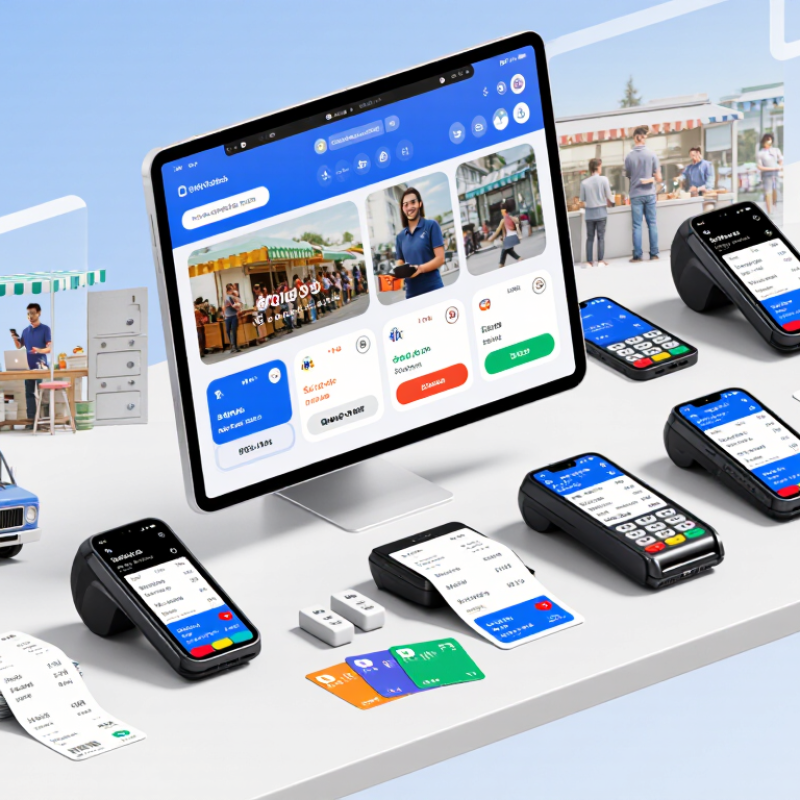
The best mobile POS systems for small businesses in 2026 should fit the pace of daily work, not just look impressive in a feature list. A café owner may need quick counter payments, while a market seller may prioritize a reliable wireless connection and a battery that lasts through a long shift. Small details matter. Check whether staff can find common items quickly, apply discounts accurately, and issue receipts without holding up a line.
Compare total costs, including hardware, monthly fees, and transaction charges. Ask how sales data is protected, whether access can be limited by staff role, and how the system handles refunds or a lost connection. Clear answers are more useful than broad promises. Test the checkout flow on the actual phone or tablet your team plans to use. A screen that feels simple in a demonstration can be awkward with wet hands, poor lighting, or customers waiting.
Inventory tracking and sales reports can help owners spot popular items and busy hours, but reports are only useful when information stays accurate. Some systems may require extra setup or paid features; that can be easy to overlook. Before choosing, run a few realistic transactions and check the receipt, stock count, and end-of-day figures. Notice where staff hesitate. That small pause may reveal a bigger training or workflow issue.



 Close