2026 Best Nylon Insulated Terminal Types and Uses?
Nylon Insulated Terminals play a crucial role in electrical connections. They provide protection against corrosion and improve overall durability. According to a recent industry report, nearly 70% of electrical failures can be traced back to poor connections. This emphasizes the need for reliable terminals.
With advancements in materials, the 2026 best nylon insulated terminals will offer enhanced insulation, heat resistance, and flexibility. These terminals are essential in both industrial and automotive applications. They ensure secure connections that resist vibrations and environmental challenges. Yet, despite their benefits, some users overlook proper installation techniques.
The market for nylon insulated terminals is expected to grow significantly. The global demand for superior electrical components is on the rise. Yet, many professionals still struggle with choosing the right type for specific needs. Understanding various terminal types and their applications can lead to better choices. There is room for improvement in education and awareness within this field.
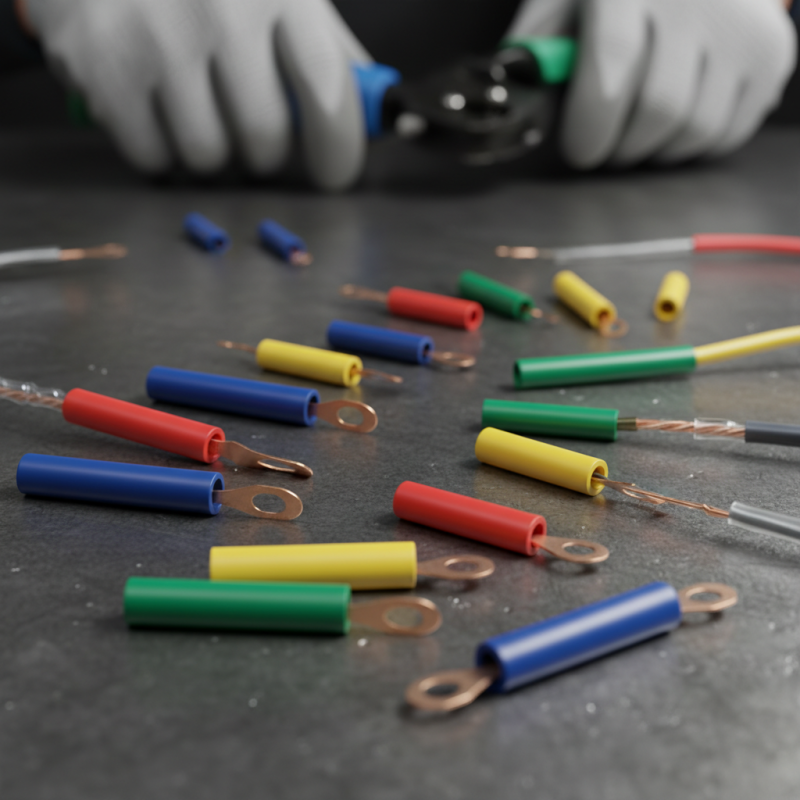
Types of Nylon Insulated Terminals: A Comprehensive Overview
Nylon insulated terminals are essential components in electrical connections. They come in various types, each serving unique purposes. The most common types include spade terminals, ring terminals, and butt connectors. Spade terminals allow easy connect and disconnect, while ring terminals ensure a secure fit. Butt connectors help join two wires securely.
When selecting nylon insulated terminals, consider the wire size and application type. Match the terminal size with the wire gauge for a proper fit. The insulation prevents short circuits and reduces corrosion risk. Some terminals have a seamless design, enhancing durability.
Tips: Always strip the wire insulation carefully. Avoid excessive stripping, which can weaken the wire connection. Ensure the terminal fully covers the stripped wire. This prevents exposure and enhances safety. Over time, inspect the connections for wear and tear. A loose fit can lead to failure and may cause overheating.
Key Characteristics of Nylon Insulated Terminals and Their Benefits
Nylon insulated terminals are essential in electrical connections. They offer unique advantages that set them apart from other types. One key characteristic is their resistance to moisture. This property significantly reduces the risk of corrosion, enhancing the terminal’s lifespan. Reports indicate that about 45% of electrical failures stem from corrosion-related issues. Choosing nylon terminals is a proactive approach toward electrical reliability.
Another benefit is temperature resilience. Nylon insulation can handle higher temperatures, which protects connections from heat damage. In environments where heat is a concern, using these terminals can prevent failures. Yet, some users might overlook proper installation. A poorly crimped terminal, even if nylon insulated, can lead to electrical issues. Make sure connections are secure.
Tip: Always check the compatibility of the terminal with the wire gauge. Mismatched sizes can compromise connection integrity. Using the right tools for crimping also matters. If not done correctly, you may face unexpected disconnections. A little attention can save significant future headaches.
Applications of Nylon Insulated Terminals in Electrical Industries
Nylon insulated terminals play a crucial role in electrical industries. They provide strong protection against moisture and corrosion. Their durability ensures reliable connections in various applications. These terminals are often used in automotive wiring systems. They withstand harsh environments, making them ideal for vehicle applications.
In industrial settings, nylon insulated terminals are common in machinery wiring. They can handle high temperatures and resist chemicals. This makes them suitable for factories and plants. Proper installation is key. Poorly crimped terminals can lead to failures. Ensuring a secure fit is essential for optimal performance.
Additionally, many technicians overlook the importance of proper sizing. An incorrect terminal size can result in loose connections. This may cause power loss or short circuits. Users must be vigilant during selection. Familiarity with different terminal types can help prevent mistakes. Awareness of these aspects is vital for successful electrical installations.
Comparison of Nylon Insulated and Other Terminal Types with Data
Nylon insulated terminals are popular in various applications due to their durability and resistance to wear. Compared to other terminal types, they perform better in high-temperature environments. A study indicates that nylon terminals can withstand temperatures up to 105°C, while PVC Insulated Terminals typically handle only 70°C. This makes nylon a preferred choice for automotive and industrial uses.
However, not all projects require nylon insulation. For simple electrical connections, uninsulated or heat-shrink terminals may suffice. Some professionals argue that nylon terminals can be overkill for low-voltage applications. In these situations, a less expensive option could yield similar results. Data shows that the cost difference can be significant, often over 30% between nylon and basic insulated terminals.
Tips: Always assess your project's specific needs. Use nylon terminals for high-stress environments. Consider alternatives for lower demands. Analyze your budget carefully. Selecting the right terminal can enhance reliability but might also sting your expenses. Remember, every choice has trade-offs.
Installation Guidelines for Optimal Performance of Nylon Insulated Terminals
When installing nylon insulated terminals, proper techniques can enhance performance and durability. Begin by selecting the right terminal type for your application. Check wire sizes and ensure compatibility. A snug fit prevents unwanted movement. This minimizes wear over time.
Before crimping, strip the wire insulation carefully. Aim for a clean cut to avoid fraying. Too much stripped wire can lead to short circuits. It’s essential to use the correct crimping tool. Misusing tools can lead to poor connections. These mistakes often result in failures that are hard to diagnose.
After installation, inspect each terminal closely. Look for signs of corrosion or damage. Proper sealing can help prevent moisture intrusion. Keep in mind that not every installation goes perfectly. Learning from past errors can be a valuable teaching moment. Adapting techniques based on experience is key to achieving reliable connections.
2026 Best Nylon Insulated Terminal Types and Uses - Installation Guidelines for Optimal Performance
| Terminal Type | Wire Gauge | Max Voltage | Temperature Rating | Usage | Installation Guideline |
| Butt Connector | 14-16 AWG | 600V | +105°C | General wiring; automotive applications | Strip insulation and insert wires, crimp securely |
| Ring Terminal | 10-12 AWG | 600V | +105°C | Battery connections; grounding | Clear area for screw; crimp firmly |
| Fork Terminal | 12-14 AWG | 600V | +105°C | Equipment connections; automotive | Ensure a secure fit on terminal stud |
| Disconnect Terminal | 10-14 AWG | 600V | +105°C | Easy disconnection; maintenance | Use with matching connector; click to connect |



 Close
Close