10 Best Outdoor Flooring Options for Every Budget
Choosing an Outdoor Floor is not simply a style decision. It affects drainage, safety, maintenance, comfort, and long-term repair costs. The Freedonia Group’s decking industry research identifies treated wood, composite, and PVC as important residential surface categories. Meanwhile, the National Association of Home Builders continues to report strong homeowner interest in usable outdoor living areas. These findings suggest a practical point: outdoor surfaces deserve the same planning as interior floors.
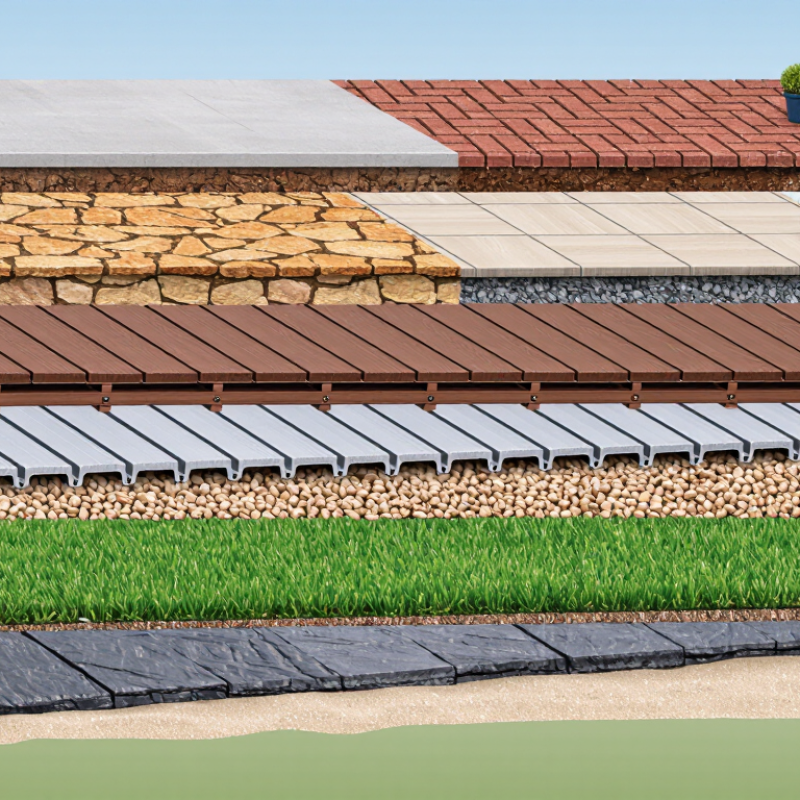
This guide compares ten outdoor flooring options across different budgets. Concrete offers a firm base and many finish choices. Brick and natural stone create texture, but installation can be labor-intensive. Porcelain pavers resist moisture and often imitate timber convincingly. Composite boards reduce routine staining, although heat retention may concern bare feet. Gravel costs less, yet it can shift under furniture and collect weeds. Artificial turf feels soft, but drainage and product quality vary widely.
Look closely at the ground beneath each choice. A patio in Phoenix faces different demands from one in Toronto. The Tile Council of North America recommends considering exterior exposure, movement, and installation conditions when selecting tile systems. ASTM standards also provide useful testing frameworks for slip resistance and material performance. Still, no report can predict every backyard problem. A low-cost surface may become expensive after poor grading, frost damage, or repeated repairs. I have found that the “best” option often depends on preparation rather than appearance. Sometimes, the simplest surface works best. Budget, climate, foot traffic, and maintenance time should guide the final decision.
Key Factors to Consider Before Choosing Outdoor Flooring
Choosing outdoor flooring starts with the conditions underfoot, not just the price tag. Note where water collects after rain, how much direct sun the area receives, and whether winter frost is common. A shaded patio may stay damp for days, while a south-facing deck can become uncomfortably hot. These details affect traction, fading, and long-term upkeep.
Think about who uses the space. Children, older adults, and pets may benefit from a stable, slip-resistant surface with no sharp edges. Check whether the flooring feels firm beneath a chair leg and remains comfortable on bare feet. Small details matter. Drainage matters, too: gaps or a slight slope can help water move away rather than sit beneath the surface. Local climate changes what works.
Installation and maintenance deserve an honest look. Some surfaces need a well-prepared base, precise spacing, or regular sealing; others are easier to clean but may show scratches. Measure the area carefully and include edging, fasteners, and surface preparation in your budget. I’ve seen attractive materials disappoint when installed over uneven ground. Still, no option is maintenance-free, and expected wear can be hard to predict. Check care instructions before choosing.
Low-Cost Outdoor Flooring Options for Tight Budgets
For a tight budget, start with the ground you already have. A compacted gravel path or seating area can cost less than a fully paved patio, especially when you handle delivery and spreading yourself. HomeGuide’s gravel patio cost guide reports typical installed prices of about $1 to $4 per square foot, though excavation, edging, and local delivery can raise the bill. Gravel feels crisp underfoot, but it can migrate into garden beds. Add a simple metal or timber border. It helps.
Mulch is another low-cost option for informal paths and garden seating zones. It softens the look and drains well, but needs topping up as it breaks down. For a firmer surface, compare basic concrete pavers with poured concrete. HomeGuide’s paver cost guide places many installed projects well above gravel, so pavers may suit a small, high-traffic spot rather than the whole yard. That trade-off is easy to miss. Price the prepared base, not just the surface material; poor drainage or a thin base can lead to shifting and extra work. Ask local installers for itemized estimates, then compare them with DIY material costs. Prices vary by region, access, and soil conditions, and a weekend project can take longer than expected.
Midrange Materials That Balance Cost and Durability
Midrange outdoor flooring can make a patio feel finished without demanding a premium-material budget. Concrete pavers are a practical choice for busy spaces. They handle regular foot traffic, and individual units can be replaced if one cracks. Their joints may collect weeds, though, so occasional upkeep is part of the deal.
Good for warm climates. Porcelain pavers resist stains and moisture, and their textured surfaces can provide better grip than polished finishes. They often cost more to install than basic concrete, especially when the base needs careful preparation. Ask for outdoor-rated, slip-resistant material, and check samples in daylight; colors can look different beside your home.
Composite decking sits in a useful middle range for people who prefer a raised surface. It needs less routine sealing than many wood decks, but it can become hot under strong sun. I’ve seen homeowners underestimate that detail: bare feet make a quick test. Natural stone may also fit a midrange budget when locally available, yet its texture and porosity vary. Seal it when recommended, and expect some pieces to differ in shade. No option is maintenance-free, despite how tidy product descriptions can sound.
Premium Outdoor Flooring for Long-Term Performance
Premium outdoor flooring earns its cost through years of weather, foot traffic, and routine cleaning. Choose materials for the conditions underfoot, not just their appearance in a sample. Porcelain pavers resist fading and absorb little water, but they need a stable, well-drained base. Dense natural stone can handle heavy use, though some varieties require periodic sealing. Composite decking avoids many splinters and needs less upkeep than untreated wood, but it can become hot in direct sun. Test a sample on the actual site.
Installation matters as much as the surface. A patio that holds puddles may develop stains, algae, or freeze damage, even when its tiles are premium. Check slope, drainage, expansion gaps, and the manufacturer’s care guidance before work begins. Small details count. A slightly textured finish can improve grip near a pool, while deeply grooved boards may trap dirt. Expect some maintenance; “low maintenance” rarely means none. I’ve seen owners choose a striking pale stone, then regret how clearly it showed soil after rain. Ask local installers about performance through several seasons, and request references for projects exposed to similar sun, moisture, and temperature swings.
How to Compare Installation, Safety, and Maintenance Needs
Choosing outdoor flooring means comparing more than the price per square foot. Include site preparation, drainage, fasteners, and labor in the installation estimate. A low-cost gravel surface may need edging and a stable base; pavers need careful leveling to prevent rocking. Composite boards can reduce routine sealing, but the framing beneath them still needs proper ventilation. Ask installers how they handle slope and standing water. Small details matter.
Safety deserves a hands-on check. A surface that feels secure when dry may become slick after rain, especially beneath a shaded table. Request wet-condition traction information, and test a sample with suitable footwear before committing. The CDC reports that more than one in four adults aged 65 and older falls each year; that figure does not mean flooring causes those falls, but it makes stable paths and transitions worth prioritizing. Maintenance varies too: wood may need periodic cleaning and finish renewal, while stone joints can collect weeds. The 2024 Cost vs. Value report put a midrange wood deck addition at a national average cost of $17,615, illustrating why installation—not material alone—shapes the budget. Estimates vary by location. And real yards are messy.



 Close
Close