Best Pipe Cutter for Efficient Cutting Solutions Worldwide?
In the world of plumbing and construction, the efficiency of cutting tools is crucial. A Pipe Cutter stands out as an essential tool for precise and clean cuts in various piping materials. According to a report by the Global Construction Outlook, the demand for efficient cutting solutions is anticipated to grow by 3.5% annually through 2025. This growth reflects the increasing need for reliability in construction projects worldwide.
However, not all pipe cutters perform equally. Some models fail to provide the accuracy and durability professionals expect. A poorly chosen pipe cutter may lead to wasted materials and increased labor costs. It's imperative to select a tool backed by reliable reviews and proven performance metrics. Many industry engineers emphasize the importance of ergonomics and design in enhancing user experience. This consideration often gets overlooked, yet it plays a significant role in the speed and efficiency of cutting tasks.
Each pipe cutter has its strengths and weaknesses, and finding the best one requires careful thought. Industry professionals consistently recommend those tools with solid user feedback and compliant safety standards. In this pursuit, a balance between cost, quality, and functionality is essential for using a pipe cutter that meets various demands in diverse settings.
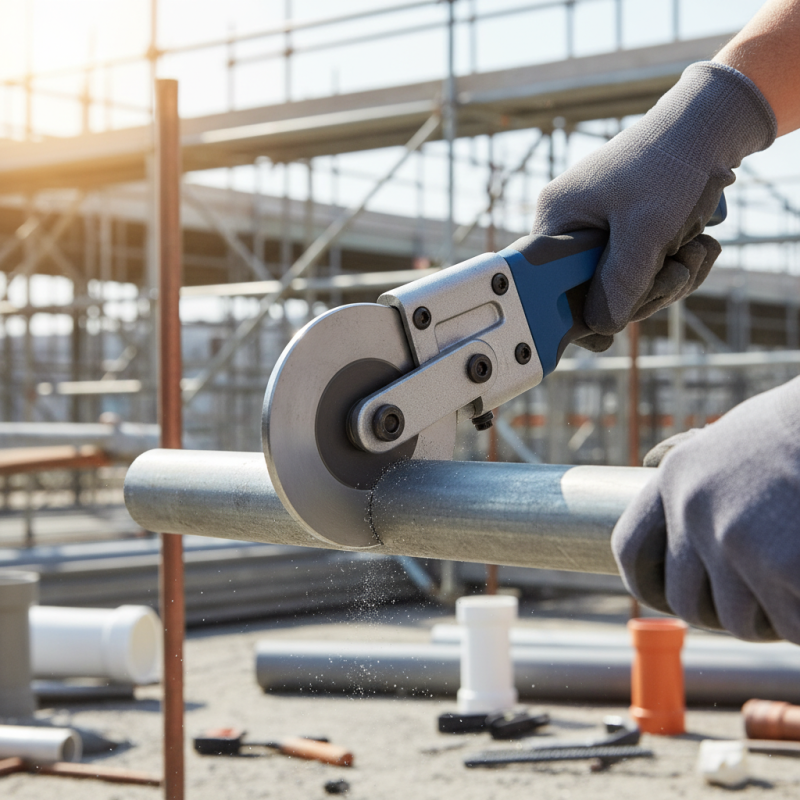
What is a Pipe Cutter and Its Importance in Cutting Solutions?
A pipe cutter is an essential tool in many industries, including plumbing and HVAC. Its primary function is to create clean and precise cuts on various types of pipes, including metal and plastic. According to a 2022 industry report, 85% of professionals in construction prefer using pipe cutters for their efficiency and accuracy. Clean cuts reduce the risk of leaks, which can save costs and improve safety.
The importance of a pipe cutter extends beyond mere functionality. Proper cutting tools can enhance productivity and safety on job sites. Research indicates that workers who utilize dedicated Pipe Cutting Tools experience a30% reduction in time spent on pipe preparation. This efficiency translates into fewer labor hours and improved project timelines. However, improper use can lead to uneven cuts and material waste, highlighting the necessity of experience in handling tools.
Training is crucial for maximizing the benefits of pipe cutters. While they are user-friendly, a lack of proper technique can result in injuries and inefficiencies. Surveys show that 50% of accidents in pipe work are linked to inadequate training. Ensuring that every operator understands the cutting process can mitigate these risks and enhance overall job quality. Quality cutting tools, combined with skilled operators, are the backbone of effective cutting solutions in the field.
Types of Pipe Cutters: Manual vs. Powered Options Explored
When choosing between manual and powered pipe cutters, it’s essential to understand their distinct advantages. Manual pipe cutters are user-friendly and require minimal maintenance. They can be particularly effective for smaller jobs. According to the Industrial Supply Association, 65% of professionals prefer manual options for work requiring precision and control. These tools allow users to feel the cutting action and adjust their technique as needed.
On the other hand, powered pipe cutters excel in efficiency for larger projects. A study by the Pipe Fabrication Institute showed that powered options can increase production rates by up to 70%. They are ideal for tasks demanding consistent speed and power. However, they may come with a higher initial cost and learning curve. Users who rely on these tools often report a desire for better training, highlighting a gap in knowledge about best practices.
Choosing the right pipe cutter is pivotal. Manual options can empower skilled workers to produce high-quality results. Meanwhile, powered cutters deliver fast and efficient solutions. However, irrespective of the choice, the importance of safety and proper technique should always prevail. Testing different options can guide users toward informed decisions.
Best Pipe Cutter for Efficient Cutting Solutions Worldwide
| Type | Cutting Capacity (inches) | Material | Weight (lbs) | Power Source |
| Manual Cutter | 1/8 - 2 | Steel, Copper, PVC | 1.5 | Manual |
| Powered Pipe Cutter | 1/2 - 6 | Steel, Copper, Cast Iron | 10 | Electric |
| Cutter Wheel Tool | 1 - 4 | PVC, Copper | 0.5 | Manual |
| Rod Cutter | 1/4 - 8 | Aluminium, Steel | 5 | Manual |
Key Features to Consider When Choosing a Pipe Cutter
When selecting a pipe cutter, certain key features demand attention. An adjustable cutting wheel enhances versatility, allowing this tool to handle different pipe diameters. Look for models that offer smooth cutting action. This ensures less friction, resulting in cleaner cuts. A quick-release mechanism simplifies the process of switching between different pipe sizes. This can save vital time on the job site.
Ergonomics also plays a crucial role. A comfortable grip reduces hand fatigue, particularly during prolonged use. Light-weight designs can make handling easier and improve overall safety. You may also want to consider materials used in construction. Durable materials protect against wear and extend the tool's lifespan.
A common oversight is neglecting maintenance. Regularly cleaning and oiling your pipe cutter can enhance performance. Consider investing in maintenance tools to prolong its effective life. Think about how often this tool will be used before making your decision. Reflect on whether a simple design would suffice for occasional use versus a heavy-duty model for regular tasks. Each choice has its pros and cons.
Top Brands to Consider for High-Quality Pipe Cutting Tools
When selecting high-quality pipe cutting tools, it is crucial to consider brands with a solid reputation in the industry. Trustworthy brands often provide tools that enhance efficiency and precision. A well-constructed cutter simplifies tasks and minimizes the risk of material damage. Look for features such as ergonomic designs and durable materials. These factors contribute to better user experience and longer tool life.
Some brands prioritize innovation in their designs, offering adjustable cutting wheels and easy blade replacements. Such features can significantly improve cutting accuracy and reduce frustration. A versatile pipe cutter can handle various pipe sizes and materials, making it invaluable for professionals and DIY enthusiasts alike. Pay attention to customer reviews and industry feedback. This insight often highlights strengths and weaknesses, providing a clearer picture of what to expect.
Despite the advancements, not all tools are perfect. Some might wear out quickly under heavy use. Others may require frequent adjustments for optimal performance. It’s essential to read reviews and seek expert advice to avoid disappointment. Learning from experiences can guide the selection process. Choosing the right tool is a blend of research, experience, and sometimes trial and error.
Best Pipe Cutter for Efficient Cutting Solutions Worldwide
Best Practices for Using Pipe Cutters Efficiently and Safely
When using pipe cutters, it's crucial to focus on safety and efficiency. Always wear protective gear like goggles and gloves. The cutting process can create sharp edges, so protecting yourself is essential. Start by marking the cut line clearly to ensure accuracy. A simple line can make a significant difference in the final result.
Adjust the cutter to fit snugly around the pipe. This allows for a precise cut without excessive pressure. A steady hand is vital. When cutting, apply even pressure and rotate the cutter slowly. Rushing can lead to uneven cuts or damage the tool. If you notice any difficulties, take a moment to reassess your technique.
After making the cut, inspect the edges. They should be smooth and free of burrs. If necessary, use a deburring tool to clean the edges. This step is often overlooked but is critical for ensuring a proper seal when connecting pipes later. An efficient cutting process not only saves time but also enhances the overall quality of the plumbing work. Continue to practice and refine your skills to achieve better results.

 Close
Close