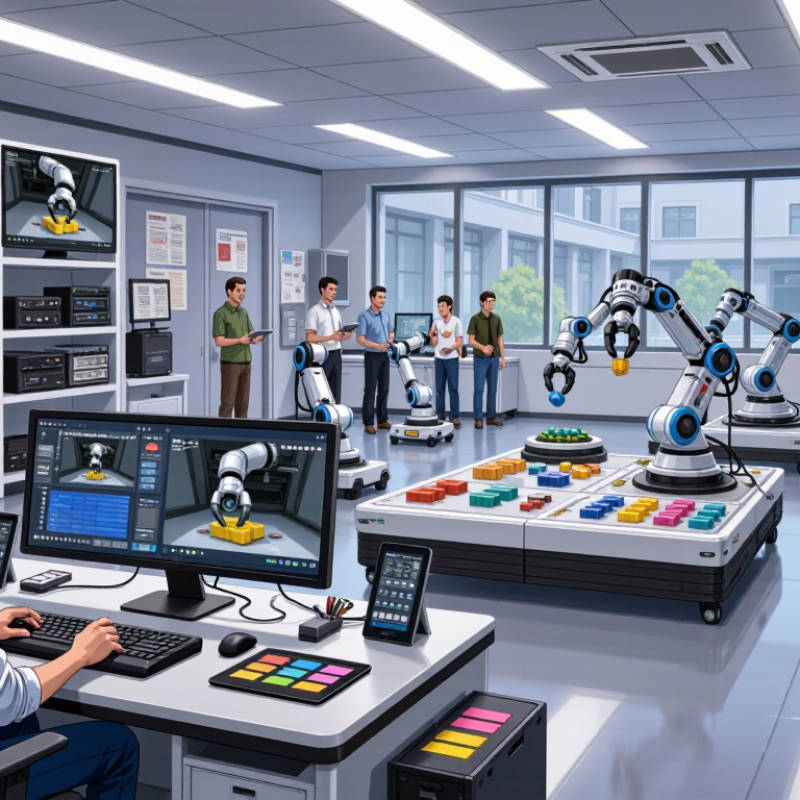
Robot teleoperation data begins with a human guiding a machine through a task, often using a handheld controller or a camera-based interface. Providers record synchronized video, joint positions, gripper commands, and timestamps. A small delay can change how a reach looks. Small details matter.
The International Federation of Robotics’ World Robotics 2024 report counted 4,281,585 industrial robots operating worldwide in 2023. That figure does not measure teleoperation datasets, but it shows the scale of systems that may need reliable training and evaluation. During capture, teams should log camera views, robot state, task instructions, and interruptions, so later reviewers can reconstruct what happened.
Annotation turns raw recordings into usable examples. Trained reviewers mark task starts and finishes, object contact, grasp success, recovery attempts, and failure causes. They may also flag unclear footage instead of guessing. A clean label can still hide a bad motion. For example, a grasp may succeed while the object slips seconds later. Quality checks should compare labels with the recorded motion and preserve unsuccessful attempts, not only polished demonstrations. Provider teams can review disagreements between annotators and document revisions. Yet human judgments still vary; even careful guidelines cannot remove every ambiguity.



 Close