Best Rotary Actuator Solutions for Global Buyers?
In the world of automation, Rotary Actuators play a crucial role. They are essential components in various industrial applications. Global buyers seek reliable and efficient solutions for their needs. The demand for precision and performance drives innovations in this field.
Rotary actuators convert rotational motion into linear motion. They are vital for tasks such as valve control and robotic movements. Choosing the right rotary actuator can be daunting. Many options are available, each with unique features and specifications. Buyers must understand their requirements to make informed decisions.
Providers of rotary actuators vary in quality and expertise. Some manufacturers prioritize cost over performance, leading to potential dissatisfaction. It is essential to assess the reliability and reputation of suppliers. Buyers must reflect on the long-term implications of their choices. Investing in a high-quality rotary actuator can enhance operational efficiency and reduce maintenance costs.
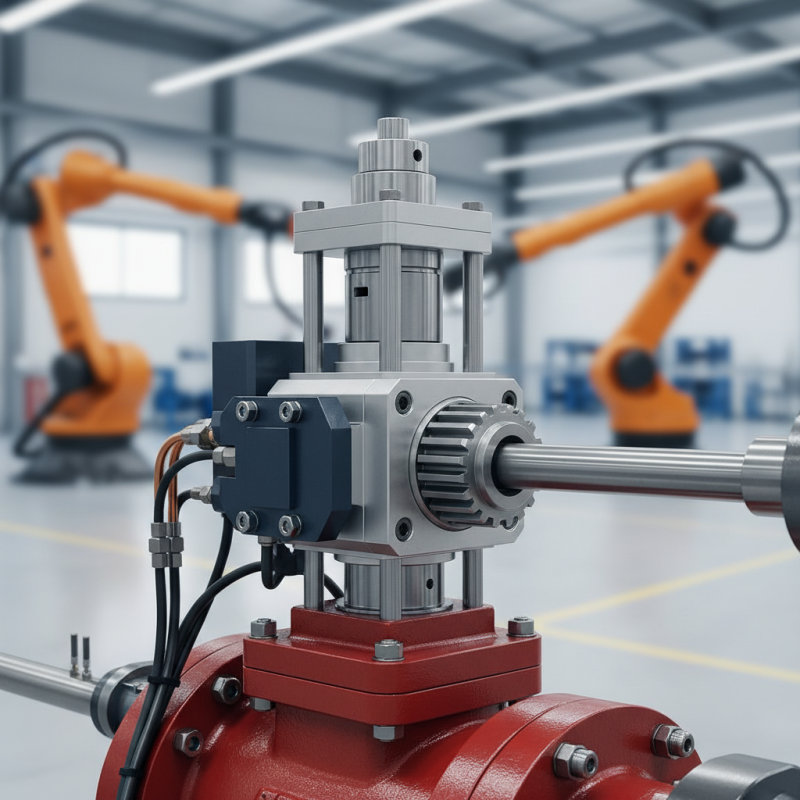
Overview of Rotary Actuators and Their Applications
Rotary actuators play a crucial role in various industries. They convert rotary motion into linear motion or vice versa. This function is vital for controlling valves, dampers, and robotic arms. For many global buyers, understanding their applications can lead to better purchasing decisions.
In automation, rotary actuators are essential. They provide precise control in assembly lines. In HVAC systems, they regulate airflow effectively. They also find applications in aerospace for moving control surfaces. Each application requires specific actuator designs, which can be challenging for buyers.
Tips: Consider the torque and speed needed for your application. Check the actuator's compatibility with your existing systems. Always ask for technical support during installation. Reflection on your specific needs is key, as the wrong choice can lead to inefficiencies. Take your time in the selection process to ensure optimal performance.
Key Factors to Consider When Choosing Rotary Actuator Solutions
When selecting rotary actuator solutions, several critical factors must be considered. One major element is application requirements. Understand the specific functions your actuator must perform. Evaluate the load capacity and torque requirements to ensure your chosen actuator meets these standards. A mismatch can lead to inefficiency and potential breakdowns.
Another vital factor is the operating environment. Consider temperature variations, humidity, and exposure to dust or chemicals. These factors can affect the actuator's performance and durability. It's essential to choose materials and designs that withstand these conditions.
Lastly, think about maintenance and support. An actuator that is easy to maintain will save time and reduce operational costs. While some solutions promise high efficiency, they may lack in customer support or warranty. Reflect on these aspects as they can significantly impact long-term satisfaction.
Best Rotary Actuator Solutions for Global Buyers
| Type | Torque Range | Speed | Control Method | Application | Price Range (USD) |
| Electric Rotary Actuator | 5 - 200 Nm | 100 - 2000 RPM | PWM, Analog | Robotics, Valves | 150 - 500 |
| Pneumatic Rotary Actuator | 10 - 150 Nm | 80 - 800 RPM | Air Pressure Control | Manufacturing, Packaging | 100 - 400 |
| Hydraulic Rotary Actuator | 20 - 300 Nm | 50 - 1500 RPM | Pressure Control | Construction, Oil & Gas | 300 - 800 |
| Servo Rotary Actuator | 1 - 100 Nm | 200 - 3000 RPM | Digital Control | Automotive, CNC Machines | 200 - 600 |
Top Global Suppliers of Rotary Actuators and Their Offerings
Rotary actuators play a crucial role in various industries, including robotics, automation, and manufacturing. Global buyers often seek reliable suppliers to meet their specific requirements. Top suppliers typically provide high-quality solutions, but they also deliver different types depending on the application. Pneumatic, hydraulic, and electric actuators each have their own benefits and challenges. Understanding these can help buyers make informed decisions.
Many suppliers showcase their expertise through innovative designs and technology. Some offer custom solutions tailored to unique project needs. This adaptability is essential; however, it raises questions about scalability and performance consistency. Buyers should evaluate whether a supplier can maintain quality while accommodating varying demands.
Certain suppliers focus on sustainability and eco-friendliness within their offerings. This can appeal to environmentally conscious buyers. Yet, it’s crucial to ensure that such claims are verified. Proper certifications should back any sustainability initiatives. Seek testimonials from previous clients to understand a supplier’s reliability and long-term performance. This approach can mitigate risks and foster trust in the chosen solutions.
Comparative Analysis of Rotary Actuator Technologies
Rotary actuators play a crucial role in various industries. Their effectiveness largely depends on the technology used. In this comparative analysis, let's explore key types of rotary actuators. Electric, pneumatic, and hydraulic actuators each have unique characteristics. Electric actuators offer precision and control, while pneumatic options excel in speed. Hydraulic actuators provide immense power, making them suitable for heavy-duty applications. Each type has advantages and limitations.
**Tips**: Evaluate your application needs carefully. Understand the power and speed requirements before making decisions.
Maintenance is another critical aspect. Electric actuators require less regular upkeep, while pneumatic and hydraulic types need frequent checks. This influences long-term costs. Deciding based on the lifecycle is essential.
**Tips**: Regular inspections improve reliability. Develop a maintenance schedule tailored to your actuator type.
In conclusion, understanding these technologies aids global buyers in making informed choices. Balance your priorities such as power, speed, and maintenance needs. It might lead you to rethink your initial approach and focus on what truly matters for your operations.
Future Trends in Rotary Actuator Development and Innovation
As industries evolve, rotary actuators are seeing rapid advancements in technology. These devices convert rotational motion to perform various tasks, from robotics to aerospace applications. Recent developments focus on miniaturization and energy efficiency. Modern actuators are smaller yet more powerful, allowing for greater adaptability in confined spaces.
Another exciting trend is the integration of IoT technology. Smart actuators provide real-time data and analytics, enhancing performance and predictive maintenance. These advancements lead to reduced downtime and increased reliability. However, system complexity can sometimes pose challenges for users who require straightforward operations.
Innovations also include the use of advanced materials. Lightweight composites enhance actuator durability without sacrificing strength. This shift not only improves performance but reduces the environmental footprint of manufacturing. Nevertheless, finding the right balance between innovation and cost remains a vital consideration for manufacturers and buyers alike.



 Close
Close 
