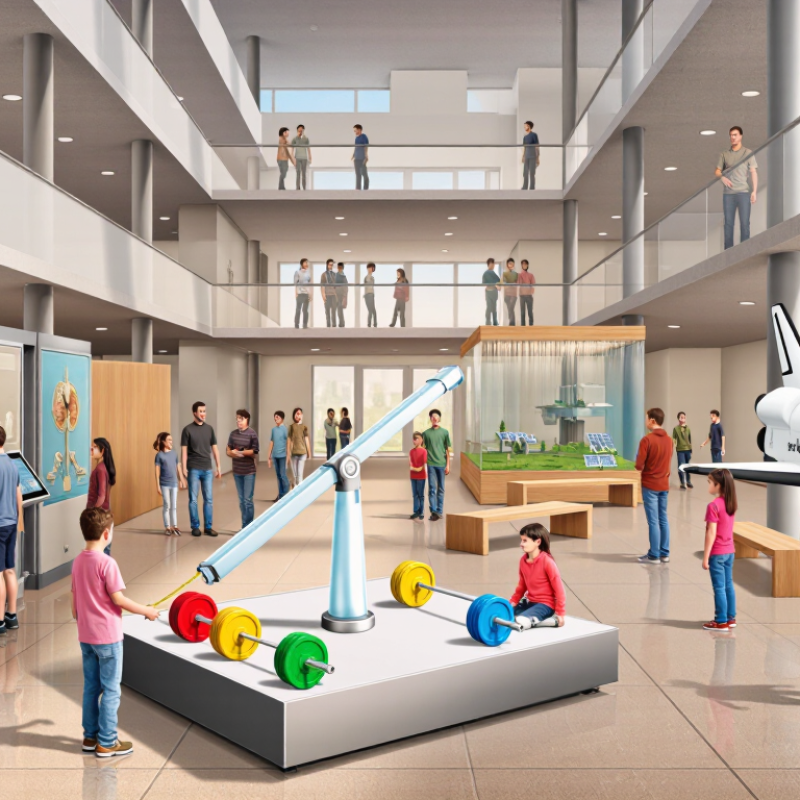
Global buyers should assess science exhibits as long-term operational systems, not attractive objects. Customization must reflect local curricula, languages, accessibility needs, electrical standards, and visitor flow. A movable anatomy model may suit a small gallery, but its base must withstand repeated handling. Interactive screens also need dust protection and replacement plans. Beautiful design alone is insufficient.
Installation quality affects safety, uptime, and staff confidence. Require site surveys, structural calculations, climate checks, and documented commissioning. The International Council of Museums reported that 94.7% of surveyed museums closed during the COVID-19 crisis in 2020. That disruption exposed weak maintenance planning across the sector. Buyers should request spare-part inventories, response times, remote diagnostics, and preventive maintenance schedules. Humidity sensors, sealed electronics, and modular components can reduce downtime. They cost more initially. Sometimes, they are worth it.
Training should be practical, repeated, and locally delivered. A two-hour handover rarely prepares educators for troubleshooting, accessibility support, or safe crowd management. Provide multilingual manuals, short repair videos, fault logs, and competency checks. UNESCO’s 2021 museum report warned that nearly 90% of museums closed during the pandemic, with smaller institutions facing severe financial risks. Resilience therefore belongs in the purchase specification. Field teams often overlook battery replacement, software updates, and cleaning chemicals. We still get this wrong. Buyers should test those details during factory acceptance and again after installation. Performance data should be reviewed after three, six, and twelve months, not only on opening day.



 Close
Close