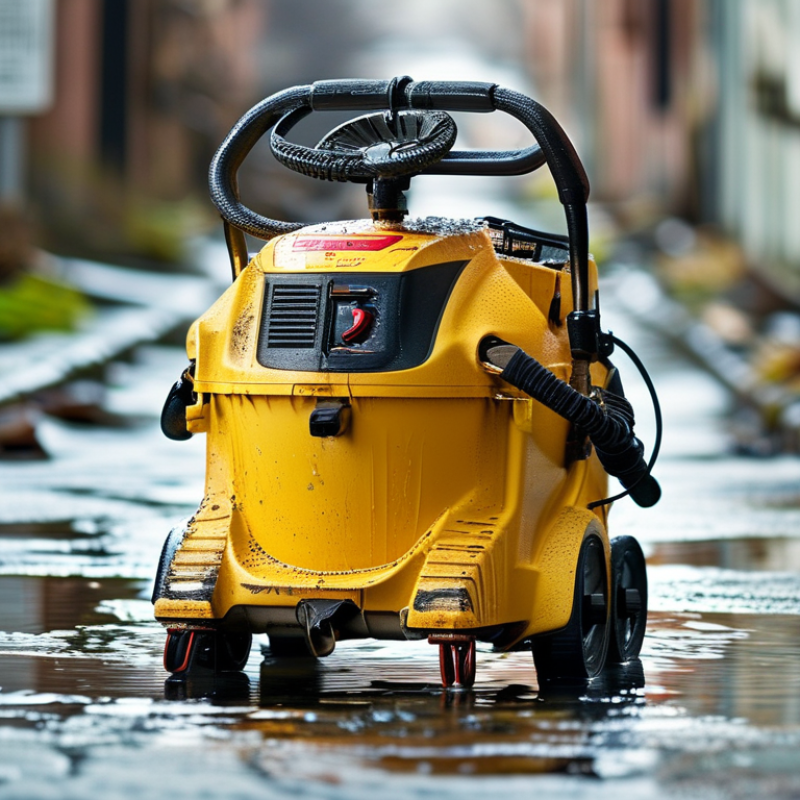
When using a sewer jetter for cleaning drains, safety should be the top priority. High-pressure water jets operate at over 4,000 PSI, making them powerful tools. These machines can effectively remove stubborn clogs and debris. However, without proper precautions, they can pose significant risks. According to industry surveys, nearly 30% of sewer jetting accidents result from improper handling. Wearing protective gear is essential to prevent injuries from flying debris or accidental water bursts.
Training is critical. Operators must be familiar with the equipment's operation and maintenance. Misuse can lead to hardware failures or injuries. For example, wearing safety goggles and gloves can protect against splashes and cuts. Additionally, evaluating the work environment is vital. Ensuring the area is clear of obstacles reduces trip hazards. Communicating with team members during operation prevents accidents.
Adhering to manufacturer guidelines and safety protocols is crucial. The American National Standards Institute recommends regular inspections of equipment to ensure reliability. After use, clean and store jetters properly. This will help prolong their lifespan and maintain safety standards. Remember, effective drain cleaning starts with a commitment to safety. Taking these steps can prevent mishaps and enhance your overall experience with sewer jetting technology.


 Close
Close