2026 Best Steel Fire Escape Doors for Safety and Reliability?
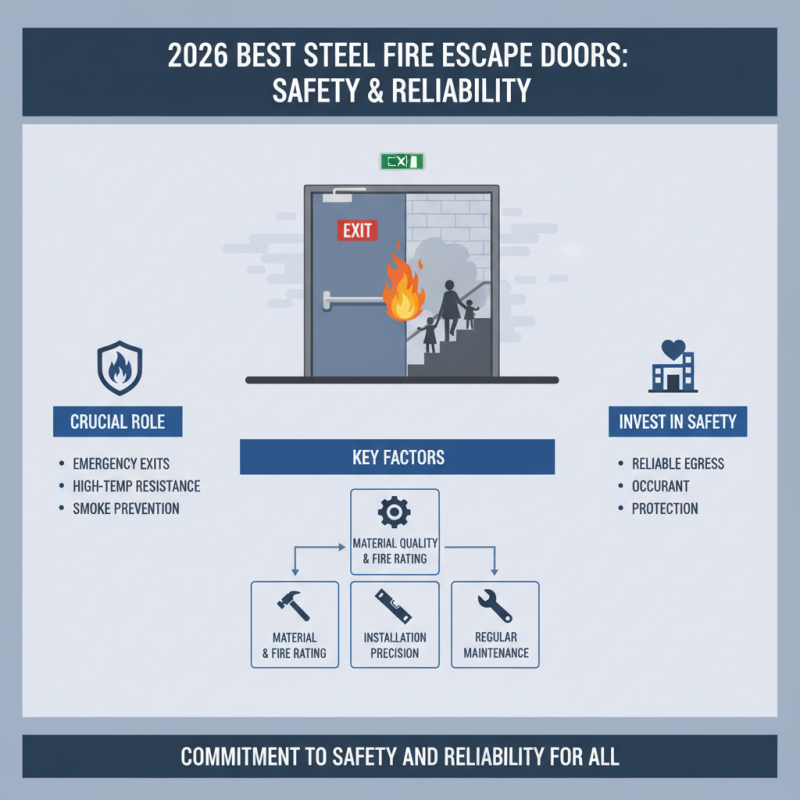
In an era where safety is paramount, Steel Fire Escape Doors play a crucial role. These doors serve as essential exits during emergencies, providing a reliable means of egress. They are designed to withstand high temperatures and prevent smoke from entering escape routes.
Choosing the best Steel Fire Escape Doors involves careful consideration. Factors such as material quality, fire ratings, and installation precision impact their effectiveness. Many overlook the importance of regular maintenance. A door’s performance relies on how well it is taken care of. A well-maintained door can be the difference between safety and disaster.
While many products claim to be the best, not all deliver on their promises. Some might have vulnerabilities that could compromise safety. It's vital to reflect upon the options available. Investing in high-quality Steel Fire Escape Doors means making a commitment to safety and reliability for all building occupants.
Overview of Steel Fire Escape Doors: Importance and Benefits
Steel fire escape doors are critical for safety in emergency situations. They act as a reliable barrier, offering protection from smoke and flames. According to the National Fire Protection Association (NFPA), nearly 50% of fire deaths occur in homes. Properly installed fire escape doors can significantly reduce this risk. They ensure safe egress for occupants, which is vital during a fire.
When selecting a steel fire escape door, consider its construction and fire rating. Most commercial doors are tested against the fire resistance standards of UL 10C. These doors can withstand flames for up to 90 minutes. This feature allows occupants extra time to escape safely. Additionally, their robust design can withstand impact and wear, ensuring longevity.
Tips: Regular maintenance is crucial. Check hinges and seals routinely. Rust can weaken the structure. Label fire exit routes clearly. Visibility can save lives in panic. Investing in fire escape doors is not just a compliance issue; it’s a commitment to safety. Remember, even the best doors need proper care to function as intended.
Key Features to Consider in Steel Fire Escape Doors
When selecting steel fire escape doors, safety and reliability are paramount. One key feature is the door's fire rating, often measured in minutes. Many doors are tested to withstand fire for 20, 30, or even 60 minutes. According to the National Fire Protection Association, a swift exit in emergencies can reduce casualties significantly. However, not all doors meet high standards. The quality of materials and construction directly impacts their reliability.
Another essential consideration is the door's installation. Proper installation is crucial in ensuring the door can perform adequately during a fire. Incorrect installation can create gaps. This allows smoke and flames to enter, rendering the door ineffective. Regular inspection and maintenance are often neglected. A study from the Fire Protection Research Foundation found that routine checks improve door functionality and enhance safety.
Accessibility must also be factored into the decision. The door should be easy to open, even under pressure. Panic bars or push bars are common solutions. However, they may not work as intended if not installed correctly. Currently, industry standards indicate these features can save lives, yet compliance remains inconsistent. There’s a lingering question about whether the best options are always chosen during building designs. Finding the right balance between aesthetics and functionality can be challenging.
Top Brands and Models for Reliability in 2026
When choosing steel fire escape doors, reliability matters. Many models promise safety, but not every option meets high standards. Assess the construction quality carefully. Avoid options that look cheap; they often compromise safety. Seek doors with solid frames and durable hinges.
Tips for selection: Look for fire ratings labeled on doors. Assess their performance during tests. Familiarize yourself with local safety regulations as well. It’s crucial to ensure the door fits well within your escape route. Poor installation can lead to risks.
Consider that even the best doors can fail under extreme conditions. Regular inspections are necessary. Note any signs of wear. Small rust spots can be an early warning. It’s better to address issues before they escalate. Your safety depends on proactive measures.
Installation and Maintenance Tips for Steel Fire Escape Doors
Installing steel fire escape doors requires careful attention to detail. Ensure the frame is sturdy and level. Misalignment can lead to malfunction during emergencies. Use appropriate hardware that supports the weight of the door. Check regularly for rust or wear. Corrosion can weaken the door's integrity.
Maintenance is equally vital. Regularly inspect seals and hinges. Lubricate them to ensure smooth operation. Small issues can escalate quickly if ignored. Consider weather conditions that might affect the door. Heavy rain or snow can cause unexpected complications. It's not just about installation; ongoing care is crucial.
Pay attention to the overall environment as well. Is the door accessible and clearly marked? A well-maintained door saves lives. But neglecting it can lead to risks. Keep an eye on any changes around the door. Surrounding structures may shift, affecting performance. Don't overlook these details. Safety depends on consistent effort.
Safety Standards and Regulations for Fire Escape Doors
When selecting fire escape doors, safety standards are crucial. The National Fire Protection Association (NFPA) provides guidelines for these doors, aiming to ensure reliable evacuation routes during emergencies. According to the NFPA, about 3,000 fires occur in commercial properties yearly, underscoring the importance of effective fire escape solutions.
Regulations for fire doors typically focus on construction materials and durability. Steel doors often meet stringent requirements due to their robustness. Research shows that steel fire doors can withstand high temperatures and resist flames for over 90 minutes. However, not all steel doors are created equal. The installation complex can lead to potential safety risks if not properly managed.
Regular maintenance is also essential. Inadequately maintained doors can become problematic. Issues, like rust or improper seals, can compromise safety. According to a recent report, more than 60% of fire doors are found non-compliant during inspections. This highlights a significant gap in safety compliance, necessitating ongoing attention from building managers.



 Close
Close