| Thread system | Metric coarse examples: M6 × 1.0, M8 × 1.25, and M10 × 1.5. Unified coarse examples: 1/4-20, 3/8-16, and 1/2-13. | Confirm the nominal diameter, pitch or threads per inch, and thread standard before ordering. | Metric and Unified threads are not interchangeable, even when their diameters appear similar. |
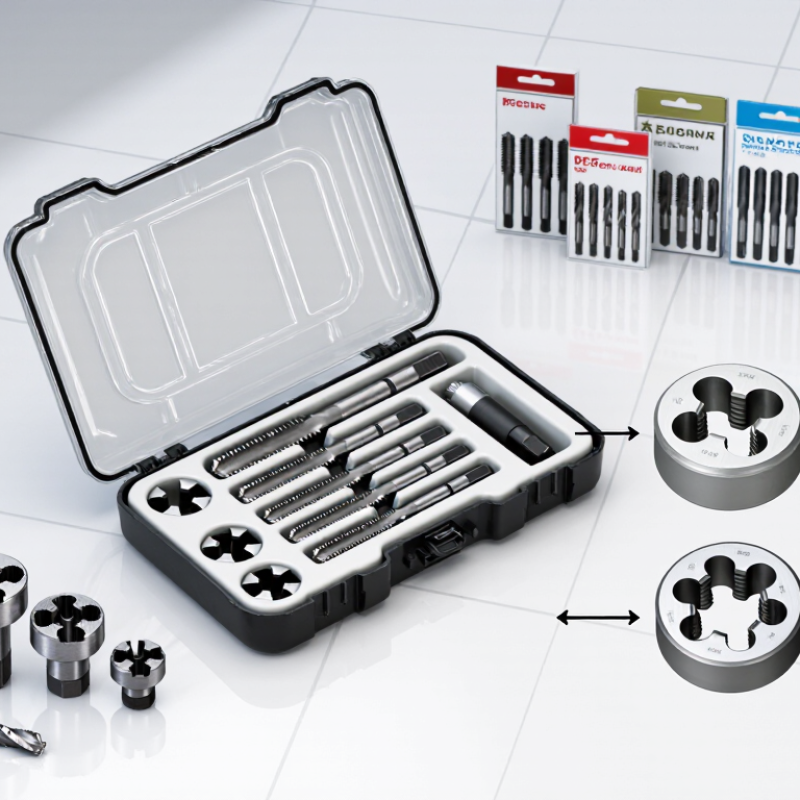
| Kit contents | A typical kit for one thread size includes a specified drill, an STI (Screw Thread Insert) tap, an installation tool, wire inserts, and a tang-break tool. | Check that the kit includes the tools and insert sizes required for the intended repair. | Replacement drill and tap sizes must follow the kit maker’s specification; they can differ from standard fastener drill-and-tap sizes. |
| Step 1: Drill | Drill the damaged hole to the diameter specified for the selected wire-insert system. | Keep the drill aligned with the original hole and control the depth, especially in blind holes. | Remove chips and confirm there is adequate material around the hole before tapping. |
| Step 2: Tap | Use the matching STI tap to form the larger receiving thread for the insert. | Use a suitable cutting lubricant when appropriate for the workpiece material, and avoid forcing the tap. | Keep the tap square to the hole; follow the tap’s instructions for chip clearing and blind-hole depth. |
| Step 3: Fit the insert | Install the insert with the specified tool until its top coil is slightly below the work surface, as directed by the system instructions. | Choose an insert length appropriate to the available thread depth and application. | Common insert lengths are described by nominal multiples such as 1D, 1.5D, and 2D, where D is the nominal thread diameter; availability varies by thread and kit. |
| Step 4: Remove the tang | After installation, break off the driving tang with the specified tool when the insert design has a removable tang. | Check that the tang is removed cleanly and does not remain where it could obstruct the fastener. | Follow the insert instructions for tang disposal and for blind-hole applications; tangless insert designs use a different installation process. |
| Material suitability | Wire inserts are commonly used to restore or reinforce internal threads in materials such as aluminum alloys and other metals. | Verify compatibility with the workpiece, temperature, corrosion exposure, and service load. | For critical or safety-related repairs, use an approved repair procedure and inspect the finished thread. |
| Global purchasing check | Compare the stated thread standard, size range, insert material, included tools, and replacement-part availability. | Check whether dimensions are listed in metric, inch, or both, and confirm that the kit matches the fasteners used in the equipment. | Ask for the kit-specific drill and STI tap specifications rather than relying on a generic chart. |



 Close