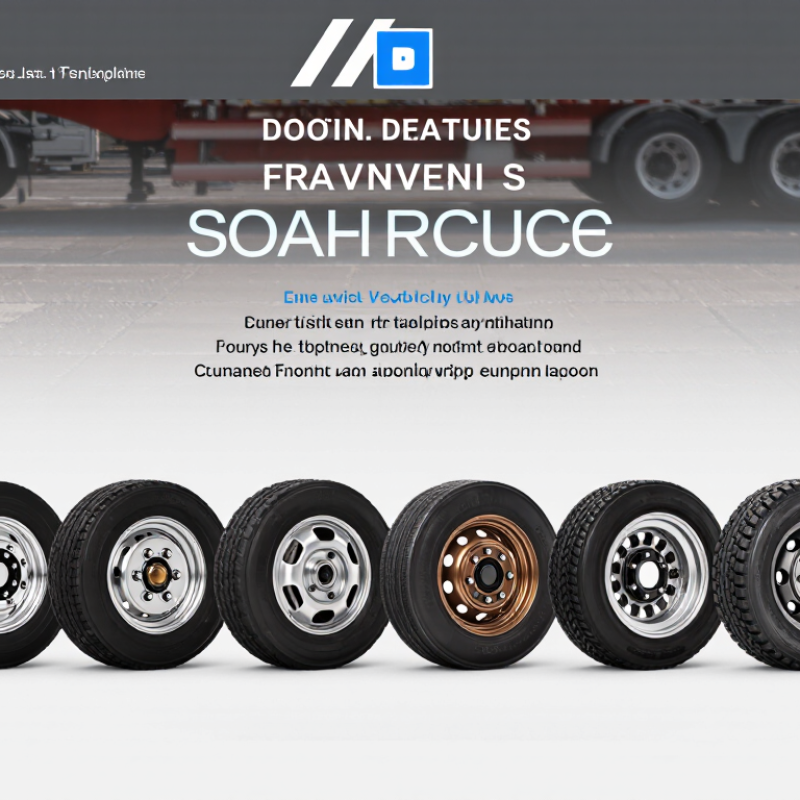
| Standard Steel Wheel | Pressed and welded steel sections | Common truck fitments include 16–18 in. diameters and roughly 6–8 in. widths | Generally tolerant of impacts; damage may often be more visible than on an alloy wheel | Usually heavier than comparable aluminum designs, which can increase unsprung mass | Work trucks, winter use, and cost-conscious replacement | Inspect for corrosion, bends, weld damage, and the correct load rating |
| Reinforced Heavy-Duty Steel Wheel | Steel design with structure intended for demanding service | Often available in truck diameters around 16–19.5 in.; widths depend on application | Designed for hard use, though capacity is specific to the wheel model | Strength and service suitability matter more than low weight | Commercial work, utility vehicles, and frequent heavy loads | Match the wheel rating to axle requirements and the vehicle’s intended use |
| Cast Aluminum Alloy Wheel | Molten aluminum alloy poured into a mold | Common aftermarket truck sizes include about 17–22 in. diameter | Resists rust, but a severe impact can crack or damage the wheel | Often lighter than a comparable steel wheel; design and mass vary | Everyday driving, towing, and mixed road use when properly rated | Check for cracks, impact damage, and a published load rating |
| Flow-Formed Aluminum Wheel | Cast center with a barrel formed under pressure and heat | Commonly offered in approximately 17–22 in. diameters | Performance depends on the design, material, and manufacturing specification | Can offer a balance of weight and strength compared with some conventional cast designs | Drivers seeking a lighter alloy option for road and light-duty use | Do not assume a construction method alone guarantees sufficient load capacity |
| Forged Aluminum Wheel | Aluminum billet or preform shaped under high pressure | Truck fitments commonly span about 17–24 in., depending on the vehicle | Can provide high strength for its weight when correctly engineered | Lower wheel mass may help reduce unsprung weight; benefits depend on the full setup | Performance-focused builds and applications where weight matters | Verify the exact wheel’s load rating and suitability for towing or hauling |
| Off-Road Steel Modular Wheel | Steel wheel assembled from a center and outer structure | Frequently seen in 15–17 in. diameters; availability varies | Practical for rough use, but seams and coatings need inspection and care | Typically heavier; smaller diameters may allow more tire sidewall when the brakes permit | Trail use, utility vehicles, and builds prioritizing field serviceability | Use only approved hardware and follow the specified assembly procedure |
| Beadlock Wheel | Mechanical outer ring clamps the tire bead to the wheel | Common off-road fitments include roughly 15–17 in. diameters | Designed to help retain a tire bead at reduced off-road pressures | Useful in specific terrain; generally heavier and requires careful maintenance | Dedicated off-road vehicles operated at low tire pressures | Check local road-use rules, fastener torque, and manufacturer instructions |
| Beadlock-Capable Wheel | Wheel designed to accept an optional bead-retention ring | Often offered in approximately 17–20 in. diameters | Capability depends on the approved configuration and correct installation | Provides a choice between standard use and an approved bead-retention setup | Vehicles used on both paved roads and occasional trails | A decorative ring is not a functional beadlock; confirm the exact design |
| Dual-Rear-Wheel Truck Wheel | Wheel engineered for a dual-rear-wheel hub and tire arrangement | Common truck diameters include about 17–19.5 in.; fitments are vehicle-specific | Built for its intended axle layout when correctly specified | Supports a vehicle designed for dual rear tires; not interchangeable with every single-wheel setup | Heavy-duty pickups and chassis-cab vehicles with dual rear wheels | Confirm inner and outer wheel compatibility, offset, and axle load requirements |
| One-Piece Premium Alloy Wheel | Single-piece alloy construction; manufacturing method varies | Common truck fitments range from about 17–22 in. diameter | Durability varies with alloy, design, finish, and impact conditions | Can combine reduced weight with a range of styles and road-use characteristics | Daily driving, towing, and appearance-focused builds with verified fitment | Assess the stated load rating rather than judging strength by appearance or price |



 Close