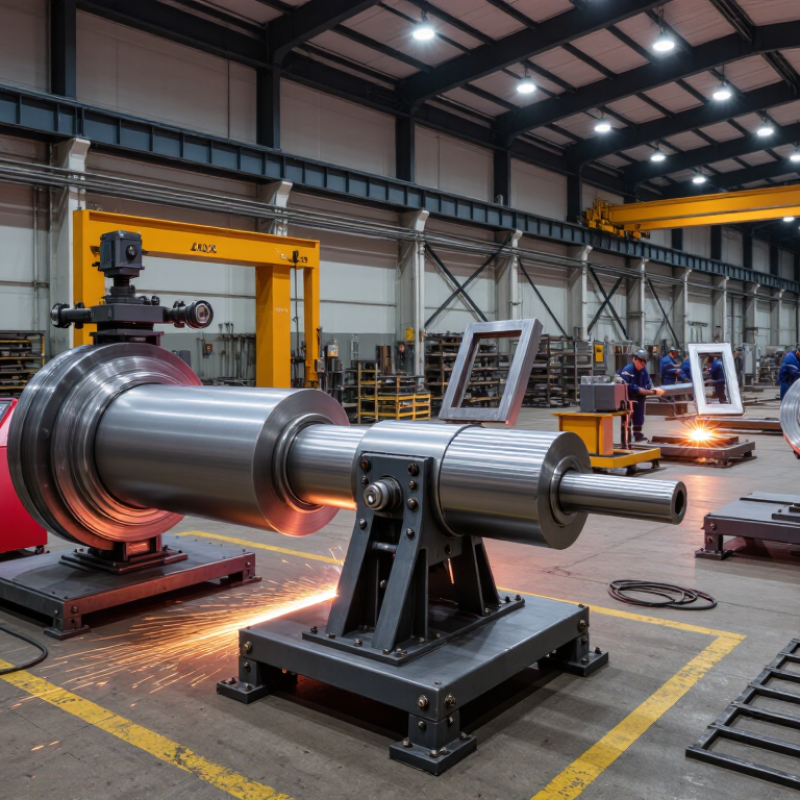
| Benchtop / compact turntable | Small components, repair work, and light fabrication where bench space is limited. | Rotates the workpiece around a horizontal axis; some models also tilt. | Compact footprint and convenient access to the weld as the workpiece turns. | Check the rated load, table diameter, clamping method, speed range, and whether the base can be securely mounted. | Secure the unit and workpiece before rotation. Keep hands clear of the rotating table and clamps; inspect cables, controls, and mounting fasteners regularly. |
| Tilting-and-rotating table positioner | General fabrication involving assemblies that benefit from rotation and changes in work angle. | Rotates the table and tilts it to bring joints into a more accessible welding position. | Offers flexible workpiece orientation and can reduce awkward reaches and out-of-position welding. | Confirm both rotation and tilt ratings, permitted workpiece centre of gravity, table size, tilt range, and clearance around the load. | Use only within the manufacturer’s load and balance limits. Confirm the tilt mechanism is locked or controlled before loading, unloading, or welding. |
| Headstock-and-tailstock positioner | Long shafts, frames, tanks, and other workpieces supported at both ends. | Turns a workpiece held between a powered headstock and a supporting tailstock. | Supports longer workpieces and can help maintain alignment while providing access around the assembly. | Check the distance between centres, headstock and tailstock capacities, support alignment, workpiece deflection, and the load’s balance. | Support and clamp both ends as specified. Check alignment and locking devices before rotation; never place a person under a suspended or inadequately supported load. |
| Pipe welding positioner / turning rolls | Pipe, cylindrical vessels, and other round workpieces that need steady rotation along their axis. | Rotates a cylindrical workpiece on driven rollers or suitable pipe-support fixtures. | Supports continuous circumferential welding and can help maintain a consistent travel position. | Verify the permitted diameter and weight range, roller spacing, surface condition, traction, and measures to prevent the workpiece from walking or falling. | Keep hands, clothing, and leads clear of rollers and pinch points. Check roller condition, alignment, guards, and emergency-stop function before use. |
| Heavy-duty floor positioner | Large or heavy fabrication assemblies requiring a substantial base and controlled powered movement. | Typically provides powered rotation, with tilt available on some configurations. | Designed for larger workpieces and repeated shop-floor use when correctly matched to the load. | Use the model’s load chart, including any limits for load offset or eccentricity. Check foundation, anchoring, duty rating, speed control, and workspace clearance. | Keep the operating area clear and use approved lifting equipment for loading. Do not exceed rated limits; isolate power before servicing electrical or moving components. |
| Manual positioner | Occasional use, simple assemblies, or work where powered rotation is not necessary. | Workpiece orientation is changed by manual adjustment or hand-operated rotation, depending on design. | Simple operation and no powered rotation drive on basic designs. | Check the manual load limit, locking method, adjustment range, stability, and whether the workpiece can be positioned without unsafe force. | Lock the position securely before welding. Do not force the mechanism or adjust a load unless the design and procedure explicitly allow it. |



 Close