What is a Cabin Filter and When Should You Replace It?
A Cabin Filter is essential for maintaining clean air inside your vehicle. According to automotive expert John Smith, "A cabin filter is your first line of defense against allergens and pollutants." This simple component traps dust, dirt, and pollen, ensuring that every breath you take in your car is cleaner.
Many drivers overlook the importance of replacing their Cabin Filter. A clogged filter reduces airflow and can lead to unpleasant odors. Regular maintenance can prevent these issues. As Smith emphasizes, "Ignoring your cabin filter affects both comfort and health."
When should you replace your Cabin Filter? Experts recommend every 12,000 to 15,000 miles. However, this can vary based on driving conditions. If you frequently drive in urban areas or dusty environments, consider replacing it more often. Being proactive can save you from larger problems down the road. A neglected filter can also diminish your vehicle's heating and cooling efficiency.
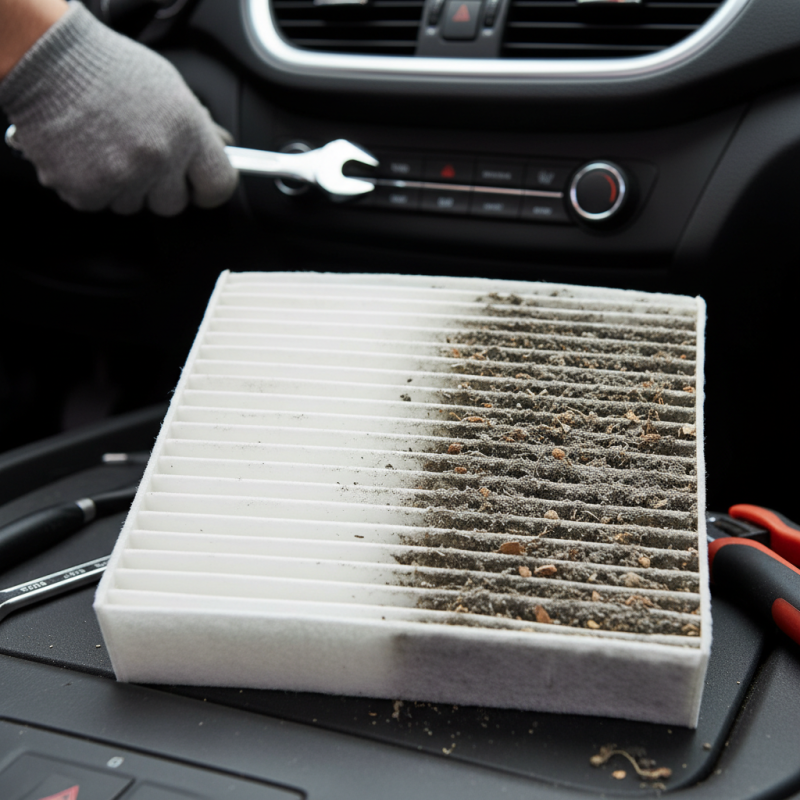
What Is a Cabin Filter and Its Role in Vehicle Air Quality
A cabin filter is essential for maintaining air quality inside your vehicle. It works by filtering out dust, pollen, and other harmful particles from the air that enters the cabin. A clean cabin filter ensures that you breathe fresh, clean air while driving. Over time, filters can become clogged, affecting their efficiency.
Regularly checking your cabin filter is crucial. If you notice reduced airflow from your vents or strange odors, it might be time for a replacement. Some people forget about their filter until it becomes a problem. This can lead to a less comfortable driving experience.
Many drivers overlook the importance of the cabin filter. It may seem small, but it plays a significant role in your health. Clean air can enhance your focus and well-being on the road. Neglecting the filter can also lead to unwanted allergens circulating in the cabin. Taking the time to replace it regularly can make a noticeable difference.
Types of Cabin Filters: Activated Carbon vs. HEPA Filters
Cabin filters play a crucial role in maintaining a healthy atmosphere inside your vehicle. There are two main types: activated carbon filters and HEPA filters. Each has unique benefits and drawbacks.
Activated carbon filters are excellent for eliminating odors. They trap harmful gases and unpleasant smells, enhancing your driving experience. However, they may not capture very small particles effectively. Dust and allergens could still linger in the air. This can be a concern for allergy sufferers or those sensitive to pollutants.
HEPA filters, on the other hand, are designed to capture tiny particles. They can trap dust, pollen, and even some bacteria. This makes them ideal for maintaining air quality. Yet, they might not reduce odors as well as activated carbon filters. Additionally, HEPA filters can be more expensive and harder to replace, leading to maintenance challenges. Understanding these differences can help you make an informed choice for your vehicle's cabin air quality.
Signs Indicating It's Time to Replace Your Cabin Filter
A cabin filter plays a vital role in ensuring clean air inside your vehicle. Over time, it can become clogged with dust, pollen, and other pollutants. This can lead to several signs indicating it needs replacement.
One common sign is a noticeable reduction in air flow from the vents. If you find yourself cranking up the fan settings more than usual, it might be time for a change. Another indicator is unpleasant odors emanating from the air conditioning system. If the air smells musty or stale, the filter could be harboring mold or bacteria. Your health is important, so don’t ignore these hints.
Tips: Regular inspections can save you time and money. Aim to check your cabin filter every 15,000 miles or during routine maintenance. Also, pay attention to seasonal changes. Pollen counts rise in spring, making it a good time to assess the filter. Trust your senses; if something feels off, it likely is. Changing the cabin filter is often a simple task. Yet, many overlook it. It’s an easy fix that benefits your comfort and health.
Recommended Replacement Frequency for Cabin Filters by Vehicle Type
Cabin filters are essential components in vehicles. They help keep the air inside your car clean. Over time, these filters accumulate dust, pollen, and other pollutants. This can lead to poor air quality. When the filter gets clogged, it can affect your comfort during drives. You may notice unusual odors or a decrease in airflow.
Different vehicles have varied recommendations for filter replacement. For most cars, replacing the cabin filter every 15,000 to 30,000 miles is a good rule. However, some vehicles might require more frequent changes, especially in dusty environments. It’s worth checking your owner's manual for specifics. In contrast, some drivers forget about this maintenance. This oversight can result in allergy flare-ups or strange smells.
Knowing when to replace your cabin filter is crucial. Inspection can reveal a lot. If you find debris on the filter, it's time for a change. Regular upkeep can make your driving experience much healthier. Additionally, if you notice reduced airflow, don't ignore it. A blocked cabin filter can make your vehicle feel stuffy and uncomfortable. Stay proactive to ensure clean air when you drive.
Impact of a Clogged Cabin Filter on HVAC Performance and Airflow
A clogged cabin filter can significantly impact HVAC performance and airflow in your vehicle. When the filter is dirty, air cannot flow easily through the system. This leads to reduced air quality inside the cabin. According to industry reports, a clogged filter can decrease airflow by up to 50%. This blocked airflow strains the HVAC system, causing it to work harder. Consequently, your heating and cooling functions may become less effective.
Moreover, the impact extends beyond just airflow. A dirty cabin filter allows dust, pollen, and other allergens to enter the car. Studies show that as much as 80% of contaminants can bypass a clogged filter. This can trigger allergy symptoms for sensitive individuals. Maintenance professionals suggest checking your cabin filter every 12,000 to 15,000 miles. However, many car owners neglect this important task. It's easy to overlook, but a simple filter replacement can enhance air quality and ensure a comfortable ride.


 Close
Close