| Body and cover materials | Common iron and stainless-steel casting references include ASTM A216 WCB for carbon-steel castings, ASTM A351 CF8 for cast austenitic stainless steel, ASTM A351 CF8M for cast 316-type stainless steel, and ASTM A536 for ductile iron. | Material selection should match the fluid, temperature, corrosion conditions, pressure class, and applicable project specification. | Material certificates, heat numbers, casting records, and traceability from raw material to finished product. |
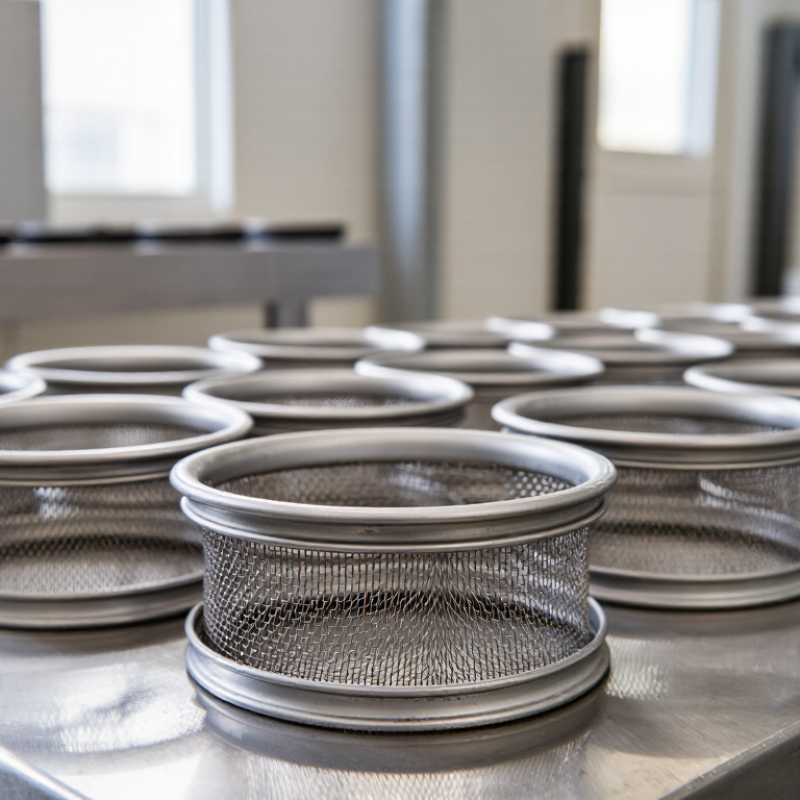
| Filtration element design | Strainers commonly use perforated plates or woven wire mesh baskets. Filtration performance depends on opening size, open area, basket geometry, flow direction, and cleanable design. | The manufacturer should state the nominal opening size, filtration rating, basket material, effective area, and replacement-basket availability. | Approved drawings, dimensional inspection reports, mesh or perforation specifications, and sample basket measurements. |
| Connection standards | ASME B16.5 covers flanges and flanged fittings from NPS 1/2 through NPS 24 in pressure classes including 150, 300, 400, 600, 900, 1500, and 2500. Larger sizes may require other applicable standards. | Flange drilling, facing, dimensions, and pressure class should be clearly identified and matched to the buyer’s piping system. | General arrangement drawings, flange inspection records, dimensional reports, and applicable standard references. |
| Pressure and temperature suitability | Allowable pressure depends on material, design temperature, wall thickness, connection type, and the governing design code. A nominal pressure class alone does not define every operating limit. | The supplier should provide a pressure-temperature rating, design conditions, and clearly stated limitations for each configuration. | Pressure-temperature charts, design calculations, approved product drawings, and test procedures. |
| Pressure testing | Hydrostatic shell testing and leakage testing are commonly specified for pressure-containing equipment. The test pressure, duration, medium, and acceptance criteria must be defined by the purchase specification or applicable code. | Each production batch should be tested according to an agreed written procedure, with test results linked to the product identification. | Signed pressure-test reports showing test pressure, holding time, test medium, result, date, and inspector. |
| Casting and weld quality | Liquid penetrant testing is addressed by ASTM E1417/E1417M, magnetic particle testing by ASTM E1444/E1444M, and ultrasonic examination by applicable ASTM practices. | Inspection methods should be selected according to the material, casting geometry, criticality, and project requirements rather than applied generically. | Non-destructive examination procedures, personnel qualifications, reports, and records of corrective actions. |
| Dimensional accuracy | Important dimensions include face-to-face length, flange alignment, bolt-hole position, basket clearance, cover fit, drain connection, and gasket contact surfaces. | The manufacturer should control critical dimensions through approved drawings, calibrated instruments, and documented inspection points. | Inspection and test plans, dimensional reports, calibration certificates, and first-article inspection results. |
| Quality management system | ISO 9001 specifies requirements for a quality management system and focuses on controlled processes, customer requirements, corrective action, and continual improvement. | A documented quality system should cover purchasing, production, inspection, nonconformance control, document management, and customer complaints. | A current certificate issued by an accredited certification body and confirmation that the certificate scope covers relevant manufacturing activities. |
| Material traceability | EN 10204 defines inspection documents, including Type 3.1 inspection certificates issued by the manufacturer’s authorized inspection representative. | Heat numbers, material certificates, casting identification, machining records, and final inspection documents should remain connected throughout production. | EN 10204 Type 3.1 certificates where specified, heat-number photographs, traceability logs, and final dossier records. |
| Drain, vent, and maintenance design | A practical strainer design should allow safe depressurization, cover removal, basket cleaning, gasket replacement, and inspection without unnecessary disruption to connected piping. | Drain and vent connections, lifting provisions, cover access, spare baskets, gaskets, and maintenance instructions should be defined before order placement. | Maintenance manual, exploded drawing, spare-parts list, torque requirements, and installation instructions. |
| Surface protection and packaging | Carbon-steel and iron surfaces may require coating or corrosion protection suitable for the service environment. Machined and sealing surfaces require protection from impact, moisture, and contamination during transport. | The supplier should specify coating type, surface preparation, dry-film thickness where applicable, sealing-surface protection, and export-packing method. | Coating inspection records, photographs before shipment, packing specifications, moisture protection, and crate inspection records. |
| Regulatory and project compliance | EU Directive 2014/68/EU may apply to pressure equipment placed on the European market when the product falls within its scope. Other destinations may require different regulations and documentation. | Compliance should be assessed for the destination country, fluid group, pressure, volume, temperature, and product category instead of being claimed universally. | Declaration of conformity when applicable, technical file references, risk assessment, and destination-market compliance documents. |
| Export readiness | International shipments normally require accurate commercial invoices, packing lists, transport documents, product descriptions, weights, dimensions, and country-of-origin information. | Export documentation should be consistent with the physical shipment and the buyer’s customs and logistics requirements. | Sample shipping documents, packing photographs, gross and net weight records, and agreed Incoterms® 2020 delivery terms. |
| Technical support and after-sales service | Correct strainer selection requires consideration of flow rate, fluid characteristics, allowable pressure drop, filtration requirement, installation orientation, and maintenance frequency. | A capable supplier should support specification review, drawing approval, troubleshooting, spare-parts identification, and replacement-basket supply. | Completed technical data sheets, response-time commitments, spare-parts drawings, installation manuals, and documented complaint-handling procedures. |



 Close