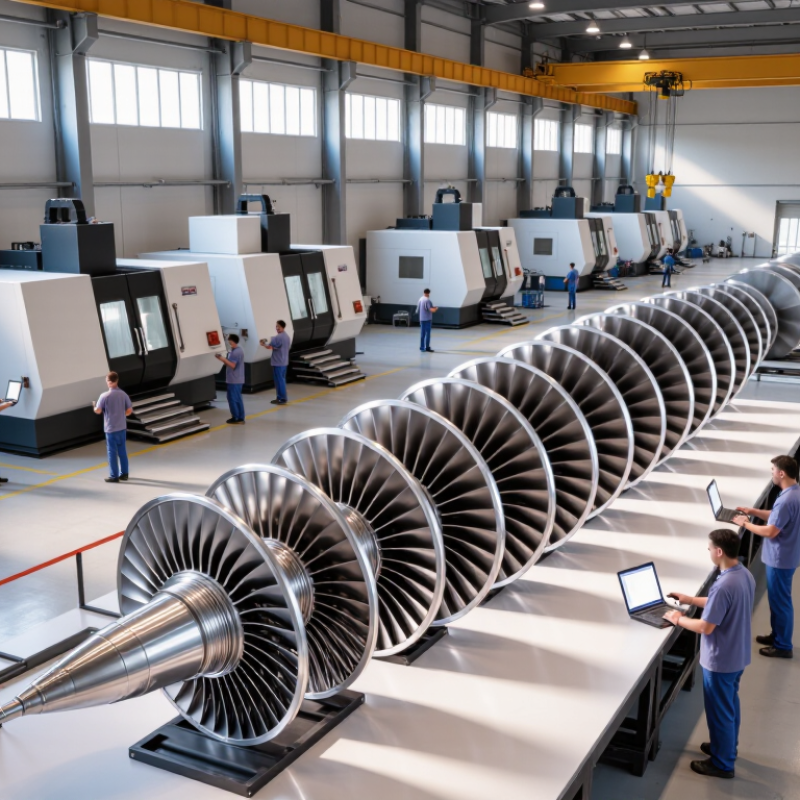
Evaluating Chinese TRT turbine blade suppliers requires more than comparing quotations. A blade operates in hot, dusty blast-furnace gas, where erosion, deposits, and vibration can shorten service life. Buyers should ask how alloy selection and blade geometry match the gas composition, temperature, pressure, and operating history. Request drawings, material certificates, heat-treatment records, and inspection reports linked to the production batch.
Manufacturing control deserves close review. Ask how profile dimensions are measured, how balancing is verified, and which acceptance limits apply. A practical audit can include checking calibration labels, sample inspection records, and the route from raw material to finished blade. Good documentation matters. So does access to engineers who can explain deviations clearly. No checklist is perfect.
Performance evidence should match the customer’s operating conditions, rather than rely on broad efficiency claims. Compare references for similar turbine sizes and gas conditions. Check commissioning support, spare-part lead times, and warranty boundaries in writing. A low quotation can look convincing, yet unclear tolerances or weak traceability may cost more during an outage. I would still question supplier claims: operating data is rarely perfectly comparable, and buyers should acknowledge that limitation.



 Close