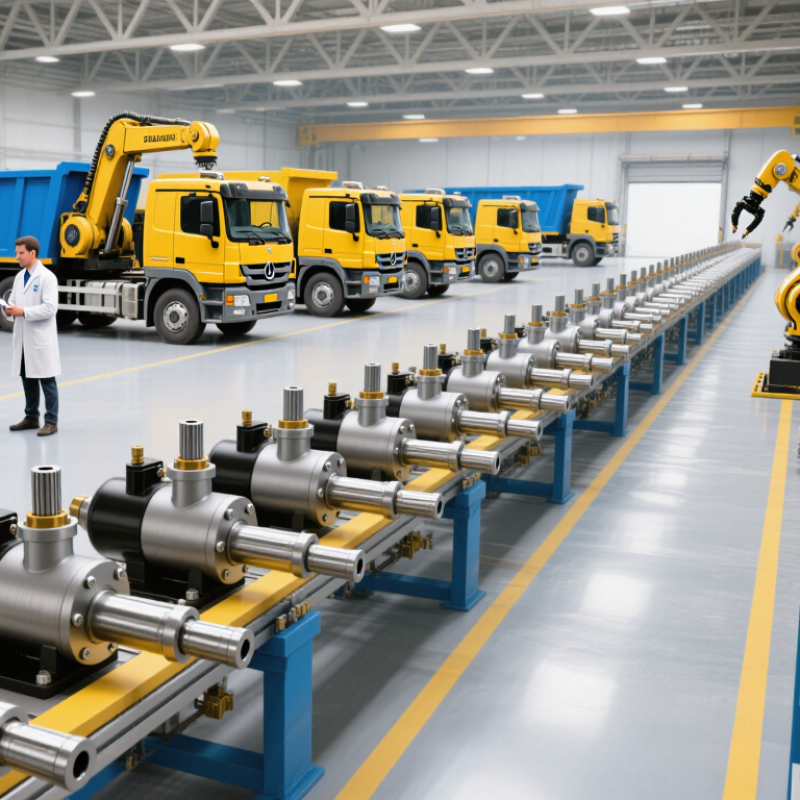
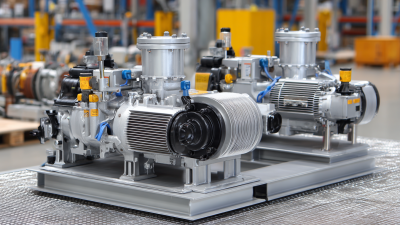
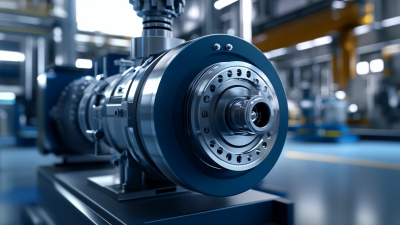
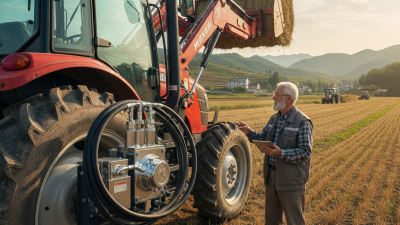
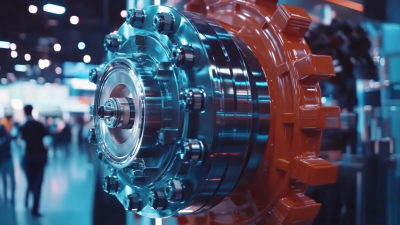
China’s leading truck hydraulic pump manufacturers are strengthening production through CNC machining, automated testing, and controlled assembly lines. MarketsandMarkets estimates that the global mobile hydraulics market may grow from about USD 46 billion in 2023 to more than USD 60 billion by 2028. This growth increases pressure on Chinese suppliers to deliver stable flow, pressure, and service life.
Manufacturing capability begins with material control. Verified steel batches, heat-treatment records, and dimensional inspection reduce shaft wear and leakage risks. Modern factories commonly use coordinate measuring machines and pressure benches for final checks.
ISO 9001-based quality systems improve traceability, while ISO 4413 guidance supports safer hydraulic system design. Every pump should receive a serial-linked test record.
Small details matter.
In practical sourcing, buyers should request performance curves at different temperatures, not only one laboratory result. A competent supplier can explain displacement tolerance, volumetric efficiency, noise readings, and seal compatibility.
Industry testing data often reports efficiency near 90% for well-designed hydraulic pumps, but actual truck conditions can reduce this figure. That difference deserves attention.
Some suppliers still present certificates without enough operating evidence. This is a weakness worth questioning.
Reliable manufacturers combine engineering experience, repeatable inspection, and documented corrective actions before shipment. They should also provide sample validation, failure analysis, and clear replacement procedures for long-term fleet operation.


 Close
Close