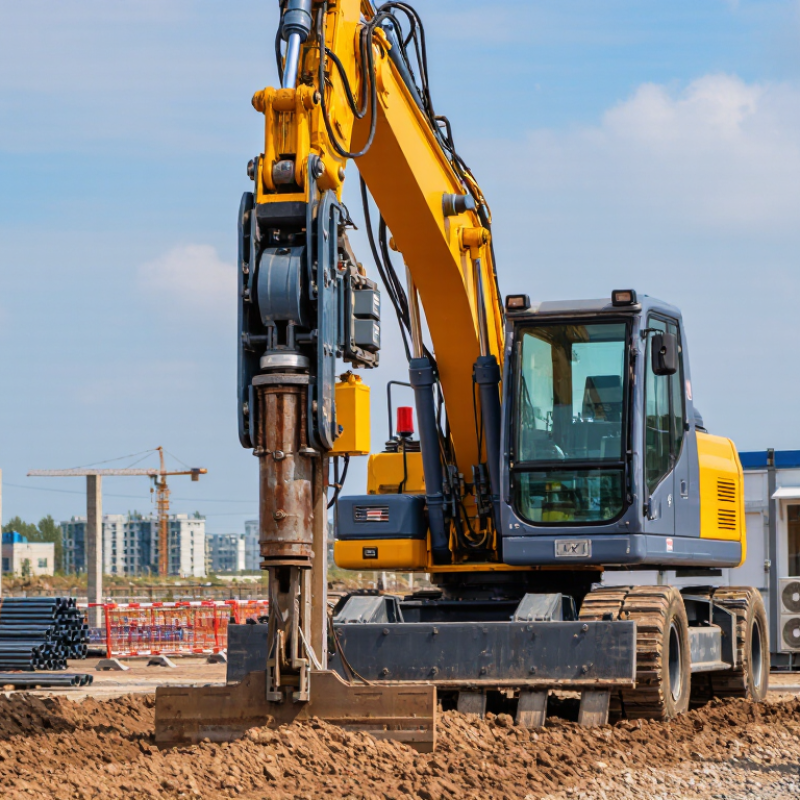
China Top 10 Static Pile Driver Manufacturers in 2026
Selecting a static pile driver starts with the ground, not a catalogue. Review borehole or cone penetration data, groundwater levels, and the planned pile dimensions. Soft clay, dense sand, and mixed fill can demand very different press-in forces. Check whether the machine’s rated capacity and clamping range fit the project, with a practical margin. A tidy specification sheet is not proof of site performance.
Noise matters, even without hammer impacts. Pumps, generators, and steel handling can still disturb nearby homes or sensitive work areas. Ask for measured sound levels, including the measurement distance and operating conditions. Compare readings with a site baseline, and consider temporary barriers or quieter power arrangements. Small details count. A single decibel figure without context can mislead.
Request traceable test records before purchase: calibration certificates, hydraulic pressure readings, load-test results, and operating logs from comparable ground. Verify serial numbers and test dates, then arrange a supervised trial where feasible. Watch for pressure loss, uneven clamping, or unstable movement. Test data help, but they do not erase uncertainty; soil changes over a few metres. It is easy to overvalue polished reports. Independent review and clear acceptance criteria make comparisons more dependable.



 Close